






What's Happening?
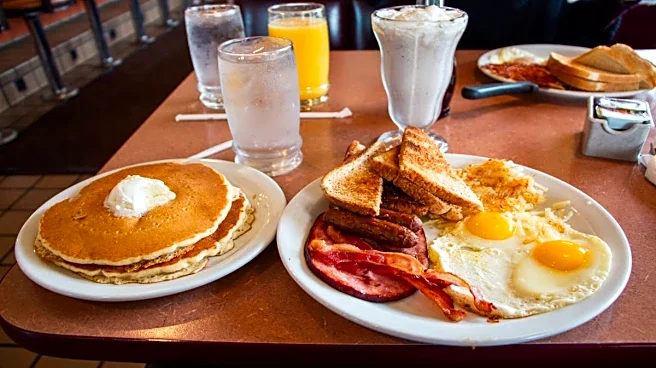
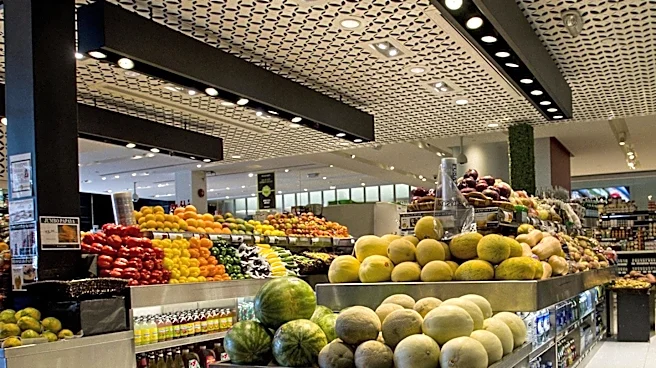
Fast-food chains are facing increasing competition from grocery stores as consumers seek more value amid rising inflation. According to data from Placer.ai, grocery stores are expanding their prepared-food offerings, making them a viable alternative to traditional
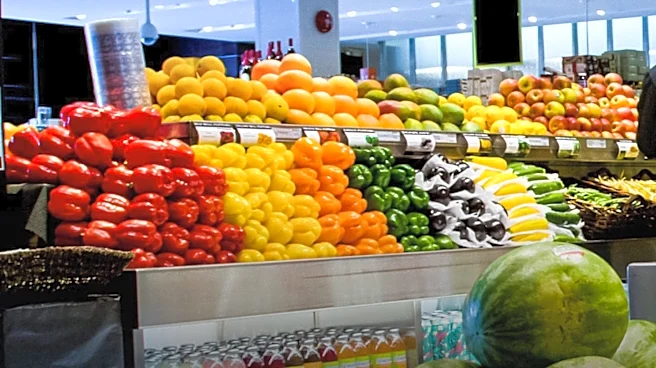
fast-food options. This shift is evident in the changing foot-traffic patterns, with quick-service restaurants experiencing a decline while fast-casual and fine dining establishments remain more resilient. Grocery chains like Kroger and Whole Foods are investing heavily in grab-and-go meals, sushi counters, and hot bars to capture a larger share of consumer spending. The narrowing cost gap between fast-food and grocery-prepared meals, due to years of menu price increases, is making grocery options more attractive to consumers.
Why It's Important?
The trend of grocery stores competing with fast-food chains highlights a significant shift in consumer behavior driven by economic pressures. As inflation impacts household budgets, consumers are redefining value, prioritizing convenience, quality, and experience over mere cost. This shift poses a challenge for fast-food chains, which must now compete not only with each other but also with grocery stores offering similar convenience at potentially lower prices. The success of fast-casual chains like Chipotle and Cava, which combine value with menu innovation, underscores the importance of adapting to these changing consumer preferences. For the fast-food industry, maintaining competitiveness will require strategic adjustments in pricing, menu offerings, and marketing to appeal to cost-conscious diners.
What's Next?
Fast-food chains are likely to continue emphasizing value and affordability in their marketing strategies to retain customers. Companies like McDonald's and Yum Brands are already focusing on value platforms and menu innovation to attract diners. As grocery stores continue to enhance their prepared-food offerings, fast-food chains may need to explore partnerships or new business models to remain competitive. Additionally, the industry may see increased investment in technology and customer experience enhancements to differentiate themselves from grocery alternatives. The ongoing economic pressures will likely drive further innovation and adaptation across the food service sector.