







What's Happening?
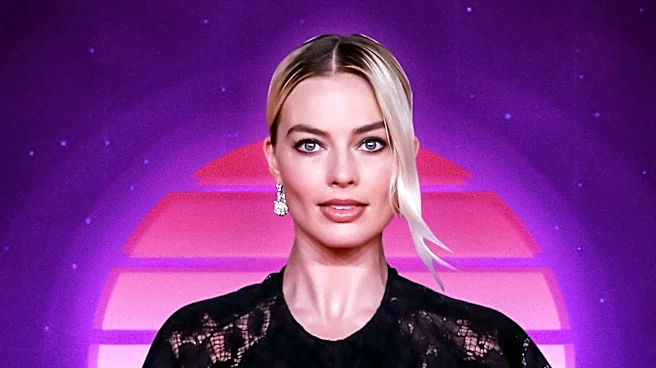
Margot Robbie's early role as Donna Freedman in the Australian soap opera 'Neighbours' is being re-edited into a microdrama format for the Epis platform. RoseBerry Media is undertaking this project, which will transform existing footage from Robbie's 2008-2011
tenure on the show into short-form, vertical video episodes. This initiative aims to present her original storylines in a new, mobile-friendly format, totaling approximately 150 minutes of content. The project will utilize footage from Robbie's initial run and does not involve her returning to film new scenes. This re-packaging allows fans to revisit one of her foundational performances before her international film career took off with roles in films like 'The Wolf of Wall Street' and 'Barbie'. The 'Neighbours' series, which first premiered in 1985, is being adapted to cater to contemporary viewing habits, particularly those prevalent on social media platforms.
Why It's Important?
This development signifies a broader shift in the entertainment industry towards adapting traditional content for new digital consumption patterns, particularly vertical video formats popular on social media. The use of AI software to scan and re-edit existing storylines into microdramas highlights an innovative approach to content monetization and audience engagement. For Fremantle, the owner of 'Neighbours' IP, this collaboration with RoseBerry allows them to explore new commercial opportunities and bring established television libraries to new audiences. It demonstrates how older content can find renewed relevance and value in a rapidly evolving media landscape. This trend could impact how production houses view their archives, potentially leading to more re-edited content for mobile-first platforms, thereby extending the lifespan and profitability of classic shows.
What's Next?
The microdrama versions of Margot Robbie's 'Neighbours' storylines will be available on the Epis app, a platform dedicated to vertical dramas. This launch will serve as a test case for how traditional television content can be successfully recycled and presented to social media audiences. If successful, this model could pave the way for other long-running series to be re-edited into similar short-form formats, potentially creating a new era of syndication for cancelled or archived shows. Major stakeholders, including other production companies and content creators, will likely observe the performance of this project to assess the viability of microdramas as a significant revenue stream and audience engagement tool. The ongoing evolution of AI technology in content creation and editing will also play a crucial role in shaping future endeavors in this space.
Beyond the Headlines
The adaptation of 'Neighbours' into microdramas touches upon several deeper implications for the entertainment industry. Ethically, it raises questions about the re-contextualization of actors' past work without their direct involvement in new filming, though it uses existing footage. Culturally, it reflects a growing preference for bite-sized, on-demand content, driven by the prevalence of smartphones and social media. This shift challenges traditional narrative structures and viewing habits, potentially leading to a redefinition of what constitutes a 'television show' or 'drama.' The use of generative AI in streamlining the production process for these microdramas also highlights the increasing integration of artificial intelligence into creative industries, prompting discussions about its impact on human creativity and labor. This trend could lead to a long-term shift in how intellectual property is managed and exploited across different media platforms.