

What's Happening?
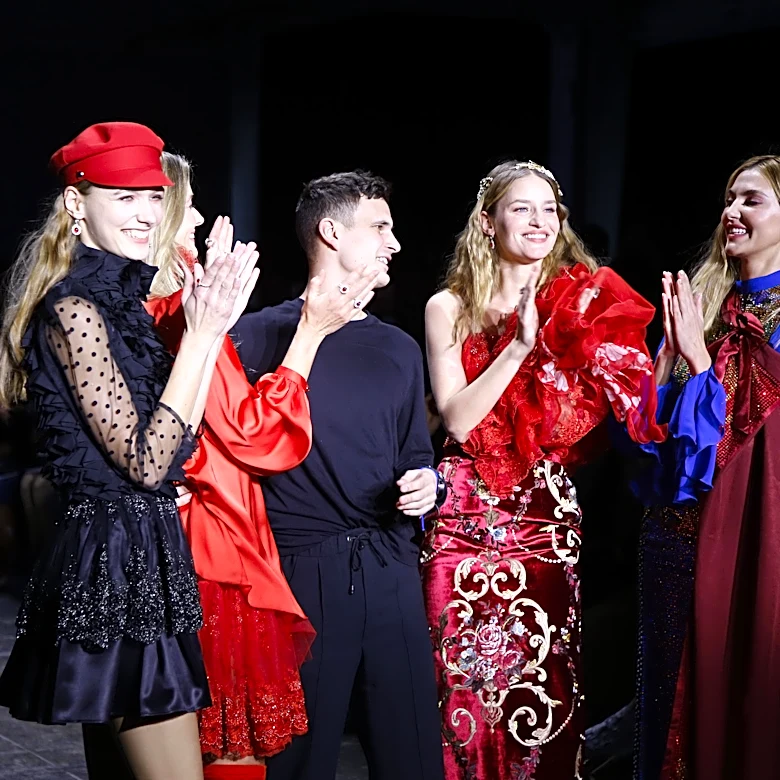
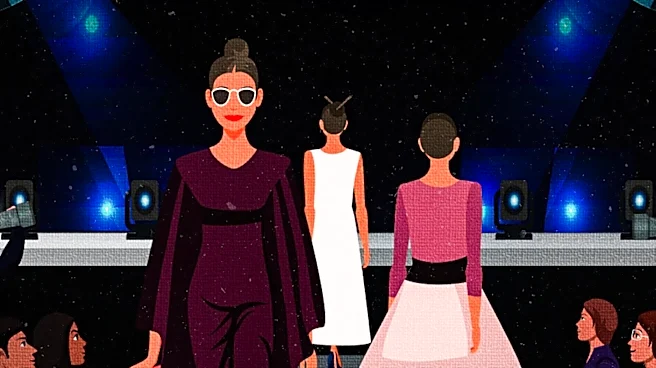
Clark University recently held its annual Thrift Store Fashion Show, an event designed to promote sustainable fashion practices. The show, which took place on Thursday, November 12, filled 'The Grind' with students eager to participate and observe. Sponsored
by The Community Thrift Store, the event featured runway walks showcasing various thrifted outfits and live musical performances by the band Sunfish. This year's theme for the fashion show was 'Futuristic,' encouraging creative and forward-thinking interpretations of sustainable style. The Community Thrift Store, a key partner in this initiative, operates from Thursday through Sunday, from 10 a.m. to 5 p.m., providing a local resource for secondhand clothing and supporting the university's efforts in promoting environmental consciousness through fashion. The event highlighted the growing trend of repurposing clothing as a viable and stylish alternative to fast fashion.
Why It's Important?
This event is important as it underscores the increasing emphasis on sustainability within the fashion industry and among younger generations. By promoting thrift store fashion, Clark University is actively engaging its student body in discussions and practices that counter the environmental impact of fast fashion, which is known for its significant waste and resource consumption. Such initiatives help to normalize and popularize the concept of circular fashion, where clothing items are reused and recycled rather than discarded. This shift in consumer behavior, particularly among university students, can have a broader societal impact by fostering a more conscious approach to consumption. Furthermore, the event provides a platform for creative expression, allowing students to showcase their personal style while adhering to sustainable principles, thereby integrating environmental responsibility with personal identity.
What's Next?
The continued success of events like the Clark Thrift Store Fashion Show suggests a growing trend towards sustainable fashion on college campuses and within broader communities. Universities may increasingly integrate such initiatives into their environmental programs and student life activities, potentially leading to more frequent events, workshops, and partnerships with local thrift stores and sustainable brands. This could also inspire other educational institutions to adopt similar programs, further expanding the reach of sustainable fashion advocacy. As consumer awareness about environmental issues grows, the demand for secondhand and ethically produced clothing is likely to increase, prompting retailers and designers to explore more sustainable business models. Future iterations of the show might incorporate educational components, such as workshops on clothing repair or upcycling, to further empower students with practical skills for sustainable living.
Beyond the Headlines
Beyond the immediate promotion of sustainable fashion, events like the Clark Thrift Store Fashion Show reflect a deeper cultural shift towards valuing longevity and ethical consumption over disposability. This movement challenges the traditional fashion industry's model of constant newness and rapid consumption, encouraging a more thoughtful relationship with clothing. It also highlights the creative potential within existing resources, demonstrating that style does not have to come at the expense of environmental responsibility. Ethically, it raises questions about labor practices in the global fashion supply chain and encourages consumers to consider the origins and lifecycle of their garments. Legally, increased consumer demand for sustainable products could eventually influence policy-making regarding textile waste and production standards. Culturally, it fosters a community that values resourcefulness and environmental stewardship, potentially leading to broader changes in consumer habits and industry practices.