





What's Happening?
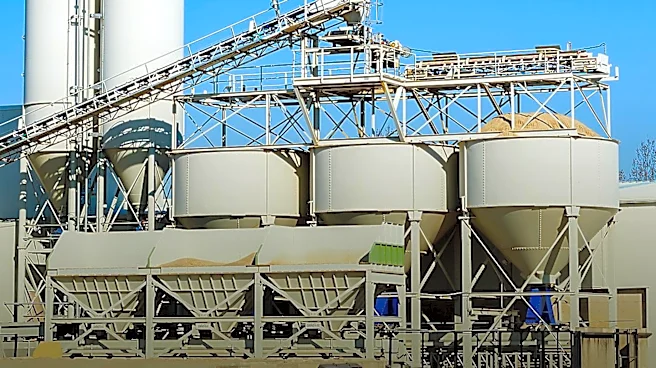
CHS Inc. is planning to construct a new phosphate-based fertilizer production facility in Jefferson Parish, representing a capital investment of approximately $450 million. This project aims to produce over 1 million metric tonnes of phosphate-based fertilizer annually,
significantly increasing domestic manufacturing capacity. The facility will be located within Cornerstone Energy Park, an existing industrial site chosen for its infrastructure, transportation access, and workforce. The project seeks to reduce the U.S.'s reliance on imported fertilizer and provide American farmers with a more reliable source of essential crop nutrients. Products from the facility will be distributed through the CHS cooperative and farmer-owned network, as well as OCPNA distribution relationships, targeting key U.S. growing regions. The design incorporates existing industrial infrastructure, including pipeline delivery systems for raw materials, to minimize new development and enhance safety.
Why It's Important?
This initiative is crucial for strengthening the U.S. agricultural sector by addressing the long-term decline in domestic phosphate production. By increasing the domestic supply of phosphate-based fertilizer, the project aims to enhance food security and resilience within the United States. American farmers will benefit from a more stable and accessible source of vital nutrients, which is essential for crop growth and overall agricultural productivity. The investment of $450 million in Jefferson Parish also signifies a substantial economic boost for the region, creating jobs and supporting local industries. Furthermore, the strategic use of existing industrial infrastructure and pipeline transportation for raw materials highlights a commitment to efficient and safe operations, potentially setting a precedent for future industrial developments in the U.S.
What's Next?
The project's progression is contingent upon securing necessary project-related and funding approvals. Before construction and operation can commence, the facility must comply with all applicable federal, state, and local requirements. The design includes measures to minimize potential odors through modern process design and emissions control, which will be evaluated during the environmental permitting process. Normal operational sounds associated with industrial facilities, such as fans, rail movements, truck loading, and barge operations, are expected, but the manufacturing process itself is not anticipated to generate significant noise. The project will continue to undergo environmental assessments and regulatory reviews to ensure adherence to all standards.
Beyond the Headlines
The development of this fertilizer production facility underscores a broader national strategy to reduce supply chain vulnerabilities and bolster domestic manufacturing capabilities, particularly in critical sectors like agriculture. The emphasis on utilizing existing industrial infrastructure and pipeline systems reflects a growing trend towards sustainable and efficient industrial development, aiming to minimize environmental impact and enhance safety. This project could serve as a model for other industries looking to expand domestic production while adhering to stringent environmental and safety standards. The long-term implications include greater stability for American farmers, reduced exposure to global supply chain disruptions, and a potential shift towards more localized and resilient agricultural input production.