



What's Happening?
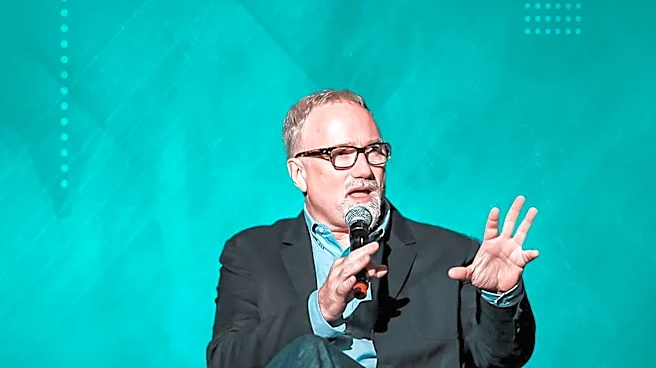
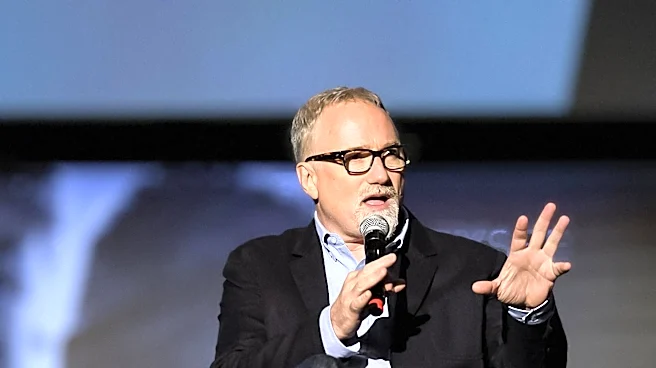
Director David Fincher's new film, "The Further Mis-Adventures of Cliff Booth," has generated significant discussion and criticism on social media regarding its alleged use of generative AI. Social media users have expressed strong opinions, with some
claiming the film exhibits an "astounding" amount of AI. Fincher addressed the topic in an interview with the Los Angeles Times, stating, "I'm not a Luddite, so I don't fear the unknown." He further elaborated on his perspective on filmmaking and technological advancements, questioning why new tools should not be utilized if they exist. In a separate interview on "The Big Picture" podcast, Fincher confirmed that artificial intelligence was employed during the post-production phase of the film. He explained that AI assisted in combining the optimal audio recording of a line of dialogue with the best acting performance from various takes, providing creative freedom to prioritize visual and auditory elements independently. The film premiered in IMAX theaters on November 25, 2026, and is scheduled for release on Netflix on December 23, 2026.
Why It's Important?
The controversy surrounding David Fincher's use of AI in "The Further Mis-Adventures of Cliff Booth" highlights a growing tension within the film industry regarding the integration of artificial intelligence. This event underscores the debate between technological innovation and traditional filmmaking practices, with some viewers and critics fundamentally opposing any use of AI in cinematic productions. The strong reactions, including calls for films using AI to be disqualified from awards, indicate a significant cultural and artistic concern about the authenticity and integrity of AI-assisted creative works. This discussion could influence future production decisions, potentially leading to increased transparency from filmmakers about their use of AI or even industry-wide guidelines. The financial implications are also noteworthy, as AI tools are often touted for their potential to reduce production costs and time, which could reshape budgeting and resource allocation in Hollywood. The public's reception to AI in a high-profile film like Fincher's will likely serve as a barometer for broader acceptance or rejection of such technologies in mainstream entertainment.
What's Next?
The ongoing debate surrounding AI in "The Further Mis-Adventures of Cliff Booth" is likely to continue as the film becomes more widely available on Netflix. The public's reaction, particularly after a broader audience views the film, could further intensify discussions within the film industry. This situation may prompt other filmmakers and studios to either more openly embrace AI tools or to exercise greater caution, depending on the perceived success and audience acceptance of Fincher's approach. Industry bodies and guilds might face increased pressure to establish clearer guidelines or ethical frameworks for AI usage in film production, especially concerning creative control and potential job displacement. Furthermore, the controversy could influence award considerations, with some critics and voters potentially factoring in the use of AI when evaluating films. The discourse may also lead to more detailed discussions about the specific applications of AI in post-production, distinguishing between tools that enhance existing performances and those that generate entirely new content, thereby shaping public and professional perceptions of AI's role in cinema.
Beyond the Headlines
The controversy surrounding David Fincher's film extends beyond immediate production concerns, touching upon deeper philosophical and ethical questions about the nature of art and creativity in the age of artificial intelligence. The comparison drawn between Fincher's precise AI application and David Lynch's embrace of chance in filmmaking highlights a fundamental divergence in artistic philosophy: the pursuit of perfection through technology versus the value of serendipity and human imperfection. This debate raises questions about what constitutes 'authentic' artistic creation and whether AI-assisted works can hold the same artistic merit as those produced through purely human effort. Legally, the increasing use of AI in film could lead to new challenges regarding intellectual property rights, authorship, and the definition of creative contributions. Culturally, the public's strong reaction reflects a broader societal anxiety about the role of AI in creative industries and its potential impact on human jobs and artistic expression. This development could mark a significant turning point in how audiences perceive and value cinematic art, potentially leading to a re-evaluation of what defines a 'director's vision' in an era where AI can refine and manipulate performances with unprecedented precision.