



What's Happening?
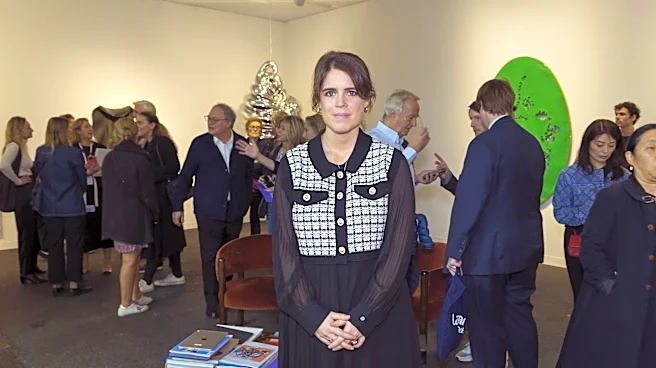
The Art Dealers Association of America (ADAA) fair has returned to the Park Avenue Armory after a year-long hiatus. The fair, formally known as The Art Show, was canceled in July of the previous year, marking its first absence from the art season since
its inception in 1989. The ADAA board cited a 'strategic pause' to 'reimagine' the event with long-term sustainability and member value in mind. While the official reason for the cancellation was not financial, the mid-level art market in 2025 was described as grim. This year's comeback features what are described as smaller and more modern booths, showcasing a range of museum-quality art, rediscovered talents, and overlooked masterpieces. The fair aims to highlight genuine American diversity through regional galleries, emphasizing craftsmanship and individual vision.
Why It's Important?
The return of the ADAA fair is significant for the U.S. art market, particularly for mid-level galleries and artists. Its absence last year created a void in the art calendar, and its comeback signals a potential revitalization or adaptation within the sector. The fair provides a crucial platform for galleries to exhibit and sell works, fostering connections between artists, collectors, and institutions. By emphasizing regional galleries and diverse American art, the ADAA fair contributes to a broader representation within the art world, moving beyond established centers. The focus on 'museum-quality art' and 'rediscovered talents' suggests an effort to elevate the discourse around art and provide opportunities for both established and emerging artists, impacting the economic and cultural landscape of the art industry.
What's Next?
The successful return of the ADAA fair could set a precedent for other art events and potentially influence trends in the art market. Its reimagined format, with smaller and more modern booths, might indicate a shift in how art fairs are presented and experienced, possibly leading to more curated and focused exhibitions. The emphasis on regional diversity could encourage greater participation from galleries outside major art hubs, fostering a more inclusive national art scene. Future iterations of the fair will likely be scrutinized for their ability to maintain sustainability and member value, as well as their impact on art sales and artist visibility. The art community will be observing whether this return marks a sustained recovery or a temporary resurgence in the mid-level art market.
Beyond the Headlines
The hiatus and subsequent return of the ADAA fair reflect broader dynamics within the art world, including economic pressures, evolving collector preferences, and the ongoing debate about the accessibility and inclusivity of art. The 'strategic pause' suggests a period of introspection for the organization, hinting at the challenges faced by traditional art market structures in a rapidly changing environment. The fair's renewed focus on 'genuine American diversity' and regional art speaks to a growing demand for authenticity and representation, moving away from a singular, often Eurocentric, narrative. This shift could have long-term implications for art historical narratives, curatorial practices, and the valuation of art from diverse backgrounds, potentially reshaping the cultural landscape of American art.