




What's Happening?
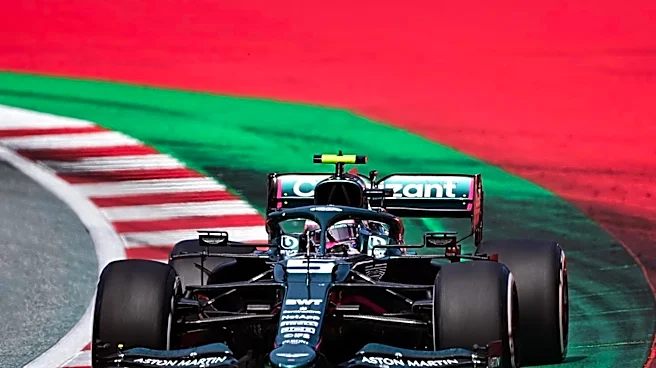
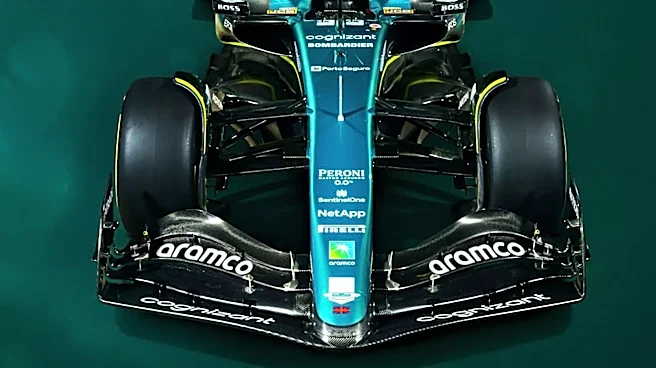
During the second practice session for the Las Vegas Grand Prix, Aston Martin driver Lance Stroll was involved in an incident that led to a red flag. With less than 10 minutes remaining in the session, a significant piece of plastic debris blew onto the Las Vegas Strip
Circuit in the final sector. Stroll's car unfortunately struck this debris, causing it to break into several smaller pieces. This incident necessitated a red flag to allow for the circuit to be cleaned. Following the cleanup, the practice session resumed with six minutes left. The track conditions remained slippery, though dry patches were increasing, and intermediate tires were still in use. Charles Leclerc was recorded as the quickest driver when the session recommenced.
Why It's Important?
This incident highlights the unpredictable challenges that can arise during high-speed motorsport events, even on purpose-built or temporarily converted street circuits. Debris on the track, especially large pieces of plastic, poses a significant safety risk to drivers and can lead to costly damage to sophisticated Formula 1 vehicles. For Aston Martin and Lance Stroll, any damage sustained could impact their preparations for the main race, potentially requiring repairs and adjustments that consume valuable time and resources. Such interruptions also disrupt the flow of practice sessions, limiting the time teams have to gather crucial data and fine-tune their car setups for optimal performance on race day. The incident underscores the continuous need for stringent track safety protocols and rapid response mechanisms to ensure driver safety and maintain the integrity of the competition.
What's Next?
Following the incident, race organizers will likely review trackside safety measures and debris management protocols to prevent similar occurrences in future sessions and the main race. Teams, particularly Aston Martin, will assess any potential damage to Stroll's car and make necessary repairs or adjustments ahead of subsequent practice sessions, qualifying, and the Grand Prix itself. Drivers will continue to adapt to the challenging and evolving track conditions, which were noted as slippery with increasing dry patches. The focus will shift to qualifying rounds and the race, where teams will aim to maximize their performance despite any disruptions encountered during practice. The incident serves as a reminder for all participants to remain vigilant regarding track conditions and potential hazards.
Beyond the Headlines
The occurrence of unexpected debris on a high-profile street circuit like the Las Vegas Strip raises broader questions about the unique challenges of urban racing environments compared to traditional, purpose-built racetracks. Street circuits often contend with external factors such as wind-blown urban detritus, which can be less prevalent on enclosed tracks. This incident could prompt a re-evaluation of how temporary street circuits are secured and maintained, particularly in areas prone to environmental factors like strong winds. It also subtly underscores the inherent risks in motorsport, where even seemingly minor external elements can have significant consequences for safety and competition. The incident might contribute to ongoing discussions within Formula 1 about balancing the spectacle of street races with the paramount need for driver safety and fair competition.