




What's Happening?
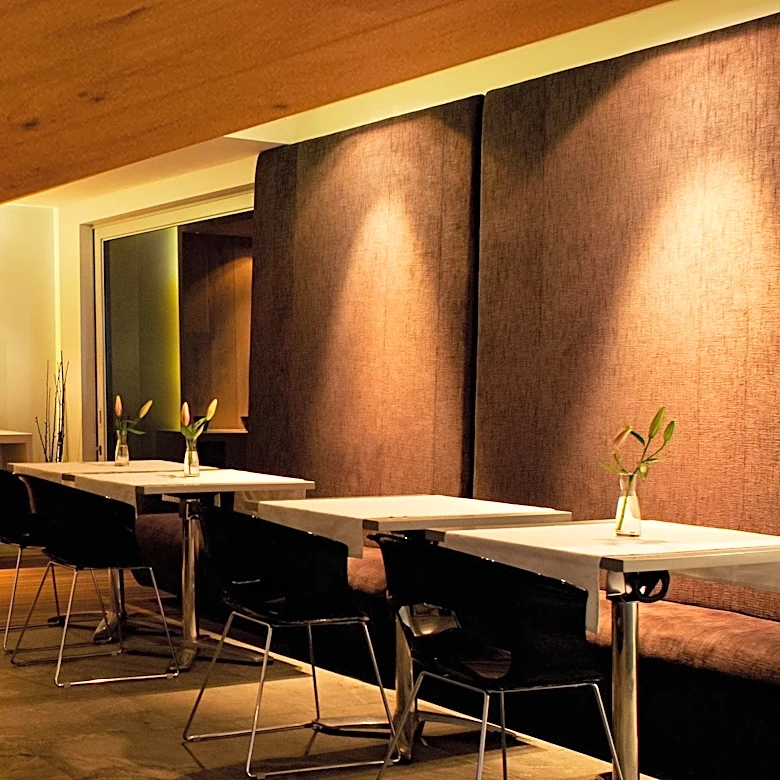
Eamoni Collier has made history in Washington, DC, with the opening of Urban Garden Brewhouse, the city's first brewery owned by a Black woman. Located on T Street NW, the establishment functions as a brewery, restaurant, and listening lounge. Collier,
who gained extensive experience in hospitality and brewing at Right Proper Brewing, has transformed the space into a unique community hub. The interior features art and murals that tell parts of Collier's story, including a portrait of her grandfather, Joe Tate, who played with Duke Ellington's orchestra, connecting the venue to the neighborhood's musical heritage and her family history. The beer selection at Urban Garden Brewhouse incorporates flowers, herbs, spices, and botanicals like chamomile, lemongrass, and coriander, creating aromatic and layered flavors. In addition to craft beers, the bar offers botanical cocktails, and the kitchen serves comfort food, including a meatball sub with 24-hour pomodoro sauce and customizable Urban Garden bowls. The venue is envisioned as a community gathering place, with plans for art-centered events and a tasting-menu series in fall and winter 2026, pairing new dishes with Urban Garden beers and local wines.
Why It's Important?
The establishment of Urban Garden Brewhouse marks a significant milestone for diversity and representation within the U.S. brewing industry, an area historically dominated by non-minority owners. Eamoni Collier's achievement as the first Black woman to own a brewery in Washington, DC, challenges existing industry norms and provides a powerful example of entrepreneurship and innovation. This development can inspire other underrepresented groups to pursue ventures in craft brewing and related hospitality sectors, fostering greater inclusivity. Beyond its symbolic importance, Urban Garden Brewhouse contributes to the local economy by creating jobs, attracting patrons, and revitalizing a commercial space. Its focus on community gathering, art, and local history also enriches the cultural landscape of Washington, DC, offering a unique social venue that blends culinary experiences with cultural engagement. The planned events and tasting series further position the brewhouse as a cultural anchor, potentially drawing tourism and local engagement, thereby boosting the broader hospitality and entertainment sectors in the city.
What's Next?
Urban Garden Brewhouse plans to host art-centered events and a tasting-menu series in the fall and winter of 2026. These events will feature pairings of new dishes with Urban Garden beers and wines from local vineyards, aiming to further establish the venue as a community gathering place. The success of these initial events will likely influence future programming and partnerships. As the first Black woman-owned brewery in Washington, DC, the establishment may also become a focal point for discussions on diversity and inclusion within the craft brewing industry, potentially leading to collaborations with industry organizations or advocacy groups. Its unique blend of brewing, food, music, and art could attract broader media attention, increasing its visibility and potentially inspiring similar ventures in other U.S. cities. The brewhouse's continued growth and community engagement will be key indicators of its long-term impact on both the local economy and the national brewing landscape.
Beyond the Headlines
Urban Garden Brewhouse's emergence transcends a simple business opening; it represents a significant cultural and social shift within the U.S. craft beer scene. The emphasis on community gathering, art, and family history, particularly through the inclusion of murals and references to Eamoni Collier's grandfather, Joe Tate, imbues the space with a rich narrative that goes beyond typical commercial establishments. This approach fosters a sense of belonging and cultural pride, potentially making the brewhouse a landmark for local residents and a destination for visitors interested in authentic cultural experiences. The integration of botanicals in the brewing process also highlights a growing trend towards unique, locally inspired flavors and sustainable practices in the food and beverage industry. Furthermore, Collier's pioneering role could spark broader conversations about systemic barriers and opportunities for minority entrepreneurs in specialized industries, encouraging greater equity and diverse ownership across various sectors of the U.S. economy.