






What's Happening?
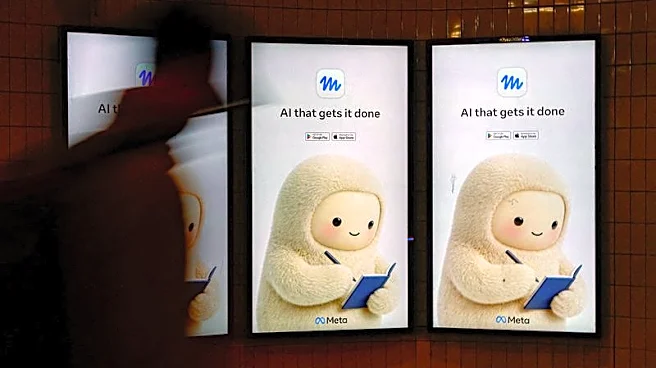
Meta declined a proposal from the UK's Financial Conduct Authority (FCA) for joint testing of its personal AI assistant, Muse, before its UK launch on November 24. The FCA, through its head of innovation Colin Payne, sought to examine how Muse would interact
with consumers, particularly concerning payments and potential unintended consequences of user prompts. The regulator expressed concerns about the AI agent acting autonomously and whether it would consistently serve consumer interests. Retailers such as Sainsbury’s, Marks & Spencer, Ocado, Debenhams Group, and Currys have been preparing their websites to facilitate Muse's access. Meta spokesperson Matthew Pollard stated the company has engaged constructively with regulatory authorities and will continue to do so. The Competition and Markets Authority (CMA) also engaged with Meta, leading to revisions in Muse's terms to include commitments to reasonable care and warnings about potential inaccuracies or action failures.
Why It's Important?
This development highlights the growing tension between rapid technological innovation and regulatory oversight, particularly in the realm of artificial intelligence. The FCA's concerns about AI agents making payments and acting autonomously underscore potential risks to consumer protection, financial security, and data privacy. The lack of joint testing before a major product rollout could mean that unforeseen issues or vulnerabilities might only be discovered after the product is widely adopted, potentially leading to consumer harm or regulatory backlash. The CMA's involvement in revising terms indicates a broader regulatory effort to ensure AI products adhere to existing consumer protection rules, emphasizing clarity, fair terms, and supplier responsibility for understanding and mitigating risks. This situation sets a precedent for how AI products are introduced to market and the level of scrutiny they will face from financial and competition regulators.
What's Next?
UK watchdogs, including the FCA, CMA, Information Commissioner’s Office, and Ofcom, are coordinating through the Digital Regulation Cooperation Forum to monitor Muse's rollout. They will continue to assess concerns related to agent-initiated payments, consumer protection, and user control over personal data. Regulators have established a form for the public to report problems with Muse or other AI agents concerning consumer protection, privacy, payments, or financial services. This mechanism provides a direct channel for users to flag issues as oversight continues. Meta is expected to continue engaging with regulatory authorities, potentially facing further scrutiny or demands for adjustments based on real-world usage and reported issues. The outcome of this ongoing monitoring could influence future regulatory frameworks for AI agents in the UK and potentially serve as a model for other jurisdictions.
Beyond the Headlines
The incident with Meta's Muse AI assistant brings to light deeper implications regarding the ethical deployment of AI and the balance between innovation and consumer safeguarding. The 'information gap' identified by the CMA, where suppliers possess significantly more knowledge about AI agents' workings, limitations, and risks than consumers, raises questions about informed consent and transparency. The emphasis on supplier responsibility for ongoing design choices, rather than merely explaining benefits at signup, suggests a shift towards proactive risk management in AI development. This situation could catalyze broader discussions on establishing clear accountability frameworks for AI systems, especially those with financial implications. It also underscores the challenge for regulators to keep pace with rapidly evolving technology, necessitating collaborative efforts and adaptive regulatory strategies to protect consumers in an increasingly AI-driven world.