






What's Happening?
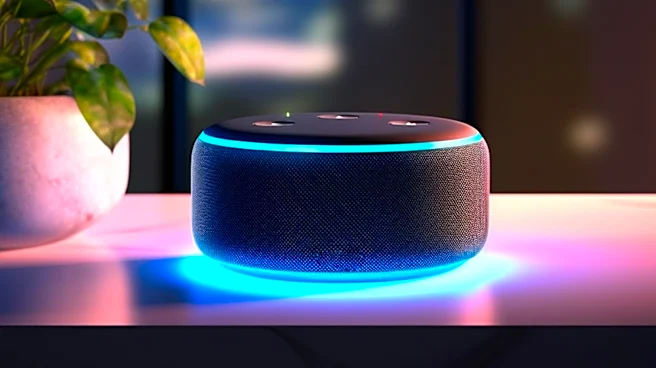
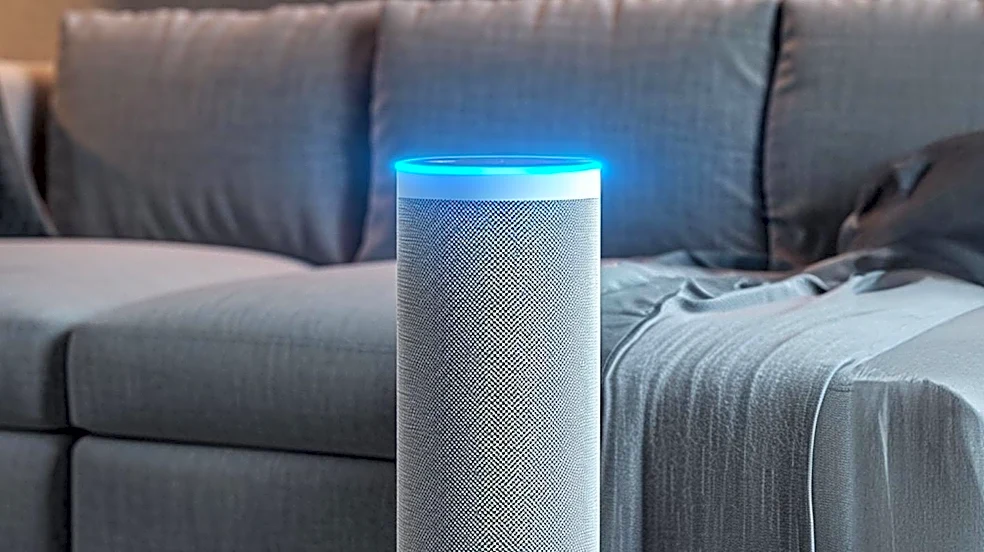
The Amazon Echo Dot Smart Speaker is being highlighted for its ability to create a more relaxing home environment through voice controls and smart home automation. This device allows users to adjust audio settings, play ambient sounds, and manage smart home routines
with simple voice commands. For instance, users can set up routines to dim lights, lower temperatures via smart thermostats, or initiate curated playlists at specific times or with custom voice prompts like 'start wind down.' The Echo Dot serves as a central hub for connected smart devices, enabling seamless integration and hands-free operation. This functionality aims to help individuals decompress after a long day by automating various aspects of their home environment, reducing the need for manual adjustments.
Why It's Important?
The integration of voice-controlled smart speakers like the Amazon Echo Dot into daily routines signifies a growing trend in home automation aimed at enhancing convenience and well-being. For U.S. consumers, this technology offers a practical solution for managing multiple smart devices effortlessly, potentially reducing daily stress and improving overall quality of life. The ability to automate tasks such as lighting and temperature control, or to instantly access relaxing audio, can transform living spaces into more responsive and personalized environments. This development is important for the smart home industry, as it drives demand for compatible devices and encourages further innovation in voice AI and interconnected systems. Businesses in the home electronics and automation sectors stand to gain from increased sales and adoption of these technologies, while consumers benefit from more intuitive and less demanding ways to interact with their homes.
What's Next?
The continued evolution of voice-controlled devices like the Amazon Echo Dot is expected to lead to more sophisticated and integrated smart home ecosystems. Future developments may include enhanced AI capabilities for more natural language processing, predictive automation based on user habits, and broader compatibility with an even wider range of smart appliances and services. We can anticipate further advancements in personalized routines, where devices learn and adapt to individual preferences without explicit programming. This could also spur increased competition among tech companies to offer more seamless and secure smart home solutions. Consumers can look forward to an even more intuitive and less intrusive smart home experience, with voice commands becoming an even more central interface for managing their living spaces.
Beyond the Headlines
The widespread adoption of voice-controlled smart home devices raises deeper implications concerning privacy, data security, and the nature of human-computer interaction. As these devices become more integrated into our daily lives, questions about how personal data is collected, stored, and utilized become increasingly pertinent. The convenience offered by voice control must be balanced against potential privacy concerns, prompting ongoing discussions about ethical AI development and robust data protection measures. Furthermore, the increasing reliance on voice interfaces could subtly alter human behavior and cognitive patterns, shifting how individuals interact with technology and their physical environments. This technological shift also highlights the growing importance of accessibility, as voice control can significantly benefit individuals with mobility impairments, making smart home technology a powerful tool for inclusive design.