






What's Happening?
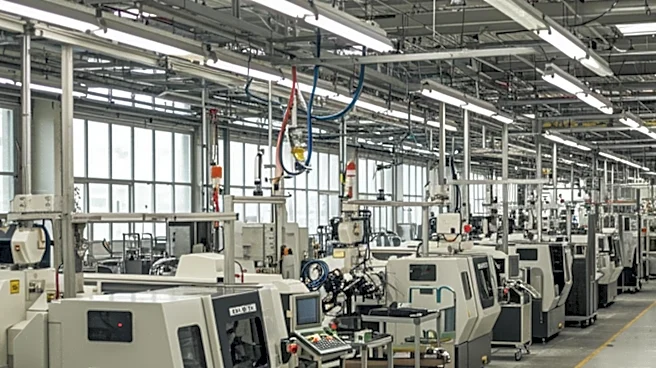
The Pentagon is reportedly in preliminary discussions with major U.S. automakers, including General Motors and Ford Motor Co., to leverage their manufacturing capabilities for mass-producing military drones. Defense officials are exploring deals where
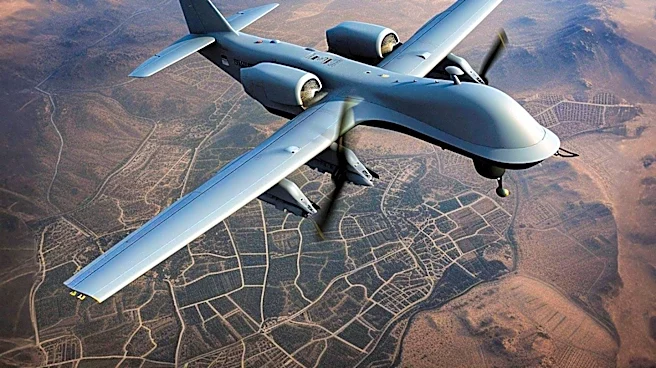
these automakers and their suppliers, such as Canadian auto parts giant Magna International, would provide components like motors, actuators, and sensors to drone manufacturers. While no deals have been finalized, the Pentagon aims to address shortages of unmanned systems, including surveillance and strike drones, which have become critical in global conflicts. The military recognizes that many existing American drone companies are smaller and lack the manufacturing experience or capacity needed for large-scale production. The Department of Defense anticipates the military drone market could reach $20 billion to $30 billion annually and is prepared to offer substantial financial incentives to the auto companies.
Why It's Important?
This initiative highlights a significant shift in the U.S. defense industrial strategy, seeking to integrate commercial manufacturing giants into the military supply chain. By tapping into the established assembly lines and supply networks of automakers, the Pentagon aims to rapidly scale up the production of crucial military hardware. This move could enhance national security by ensuring a more robust and resilient supply of drones, which are increasingly vital for modern warfare. For the automotive industry, this represents a potential new revenue stream and an opportunity to diversify their business beyond traditional vehicle manufacturing. However, executives have reportedly raised concerns about profit margins and the overall business case for entering the weapons supply chain, indicating potential challenges in aligning commercial interests with defense needs. The success of these talks could set a precedent for future collaborations between the defense sector and other large-scale commercial industries.
What's Next?
The discussions are currently in preliminary stages, with no finalized deals. The Pentagon will likely continue negotiations with GM, Ford, Magna, and other manufacturers to address their concerns regarding profitability and the business model for defense contracts. If agreements are reached, the next steps would involve integrating these companies into the drone supply chain, potentially requiring adjustments to their existing production lines and quality control processes to meet military specifications. The outcome of these talks will determine the extent to which the U.S. military can leverage commercial industrial capacity to meet its growing demand for unmanned systems. This could also lead to broader policy discussions on incentivizing commercial companies to participate in defense manufacturing.
Beyond the Headlines
The potential collaboration between the Pentagon and U.S. automakers raises deeper questions about the convergence of commercial and military industrial bases. This move could blur the lines between civilian and defense manufacturing, potentially leading to ethical considerations for companies whose primary business is consumer goods. It also underscores the evolving nature of warfare, where advanced technology and rapid production capabilities are paramount. The reliance on commercial entities for military hardware could also introduce new vulnerabilities in the supply chain, such as intellectual property concerns or the impact of commercial market fluctuations on defense readiness. Furthermore, it could stimulate innovation in drone technology by bringing in fresh perspectives and manufacturing efficiencies from the automotive sector, potentially leading to more cost-effective and advanced unmanned systems.