








What's Happening?
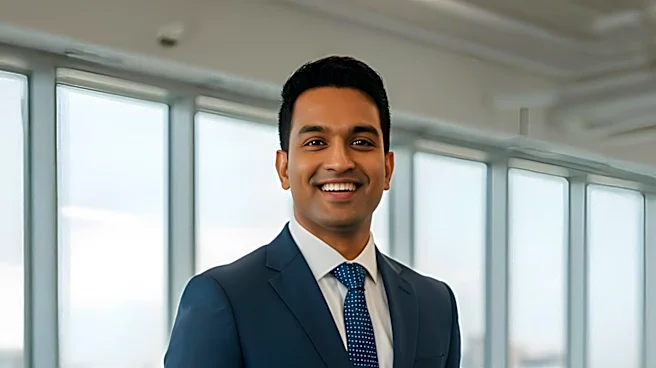
Aravind Srinivas, CEO and co-founder of the AI-powered search engine Perplexity, recently shared his views on the enduring potential of the American dream during an episode of 'The Joe Rogan Experience.' Srinivas, who moved from India to the U.S. to study
at UC Berkeley, praised the U.S. for its unique culture that encourages risk-taking and innovation. He highlighted that America remains a place where new ideas are welcomed and can be transformed into successful ventures. Despite some opinions suggesting the American dream is fading, Srinivas believes the U.S. still offers unparalleled opportunities for entrepreneurs. He contrasted this with other countries where deference to authority is more common, suggesting that the U.S. fosters a spirit of questioning and innovation. His comments come at a time when changes in U.S. immigration policy, such as the Trump administration's proposed $100,000 fee for certain H-1B visas, have raised concerns about the country's ability to attract and retain entrepreneurial talent.
Why It's Important?
Srinivas's perspective is significant as it underscores the ongoing debate about the U.S.'s role as a global leader in innovation and entrepreneurship. His views highlight the cultural and systemic advantages that have historically made the U.S. a hub for startups and new ideas. However, the challenges posed by recent immigration policy changes could impact the country's ability to maintain this status. The proposed visa fee could deter startups from hiring international talent, potentially stifling innovation and competitiveness. This situation reflects broader concerns about the sustainability of the American dream, especially in the face of economic pressures like inflation and student debt, which are affecting younger generations' financial stability and career prospects.
What's Next?
The future of the American dream and the U.S.'s position as a leader in innovation may hinge on how these immigration policy changes are resolved. If the proposed visa fee is implemented, it could lead to a talent drain, with startups struggling to compete with larger companies for skilled workers. This could prompt a reevaluation of immigration policies to ensure they support rather than hinder entrepreneurial growth. Additionally, the ongoing debate about the American dream's viability may influence public policy and economic strategies aimed at addressing the financial challenges faced by millennials and Gen Z, potentially leading to reforms in areas like education, housing, and retirement planning.