







What's Happening?
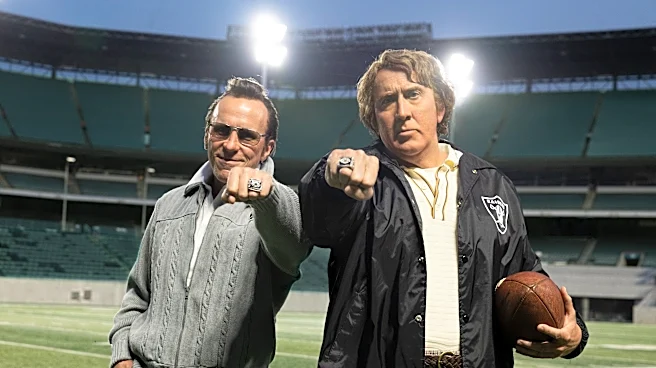
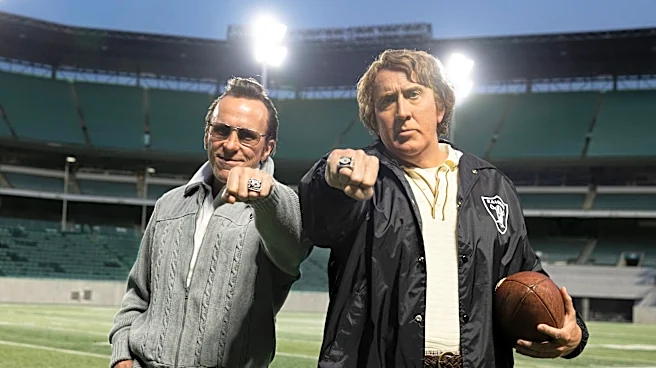
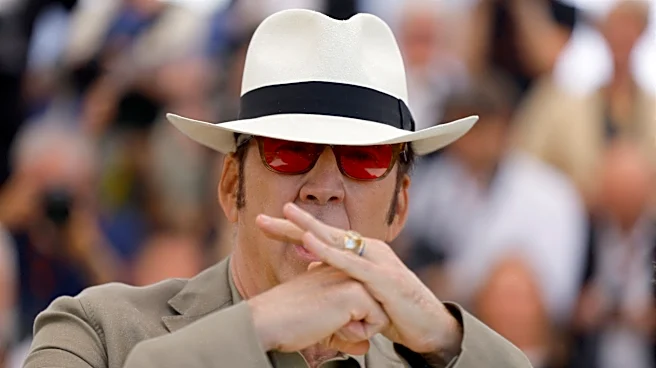
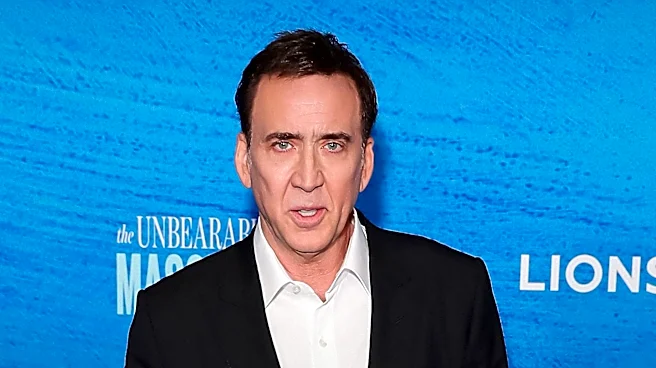
Actor Nicolas Cage has defended his performance as John Madden in a new film, addressing criticisms that his portrayal failed to capture the essence of the iconic football figure. Cage stated, "I’m not an impressionist, I’m not Frank Caliendo. I lean
more towards being a surrealist." He explained his approach as seeking to understand the personality and then filtering it through his imagination and psyche to create an "evocation" or "interpretation" of Madden, rather than a direct imitation. Cage also revealed that Madden "was not on my radar" growing up, as he was more interested in classic films and martial arts than team sports, a fact he believes "shows" in his performance. Critics, however, have largely found his portrayal to be a significant misfire, arguing it does not reflect Madden's true nature.
Why It's Important?
This discussion highlights the perennial tension between an actor's artistic freedom and the audience's expectation of fidelity to a real-life subject, especially when that subject is a beloved public figure like John Madden. Madden was not just a football coach and commentator; he was a cultural icon whose unique charisma and personality resonated deeply with millions of Americans. A perceived misrepresentation can be jarring for an audience that holds strong, often nostalgic, connections to the figure. Cage's defense, rooted in a 'surrealist' approach, challenges the conventional biopic format, raising questions about the purpose of such films: to document, interpret, or reimagine. The film's reception and Cage's explanation contribute to the ongoing dialogue about biographical storytelling in cinema and the responsibilities of artists when depicting historical or well-known personalities.
What's Next?
The film's critical reception, particularly regarding Cage's performance, will likely influence its commercial success and its place in the canon of sports biopics. The debate over artistic interpretation versus accurate portrayal may continue to be a talking point in film criticism and among sports fans. For Nicolas Cage, this role adds another layer to his diverse and often unconventional filmography, potentially reinforcing his reputation as an actor who takes significant risks. The discussion could also prompt future filmmakers to reconsider their approach to depicting iconic figures, balancing creative vision with audience expectations and the subject's legacy.
Beyond the Headlines
The controversy surrounding Cage's Madden portrayal delves into deeper philosophical questions about identity, memory, and representation. When an actor embodies a public figure, they are not just playing a character; they are engaging with collective memory and public perception. Madden's identity was deeply intertwined with American football, and any deviation from that perceived identity can feel like a distortion of a shared cultural experience. Cage's statement about Madden not being on his radar underscores a potential disconnect between the artist and the subject's cultural significance, which can lead to a portrayal that, while artistically motivated, fails to resonate with an audience that holds a strong, pre-existing image of the individual. This incident serves as a case study in the complexities of bringing real-life legends to the screen.