
What's Happening?
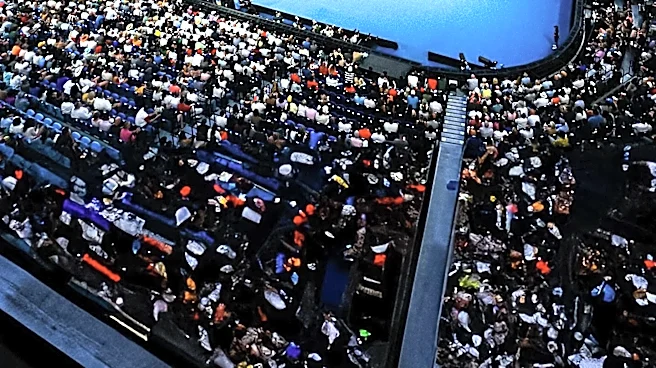
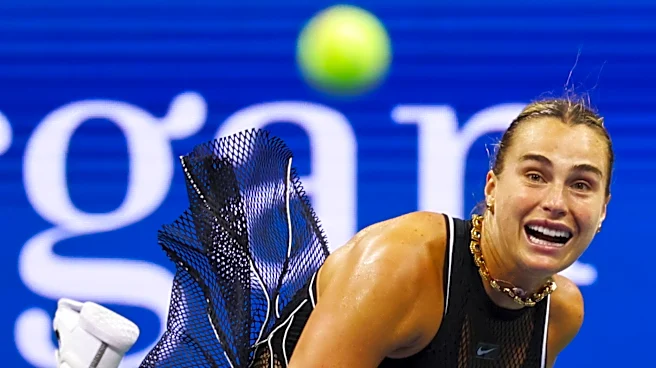
During her U.S. Open match against Kamilla Rakhimova, tennis player Aryna Sabalenka paused play to complain about a strong smell of marijuana. Sabalenka approached the chair umpire in the third game of the match, stating, "Someone is smoking weed. Do
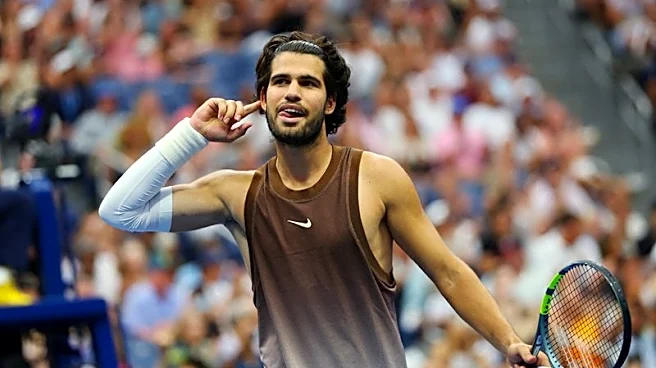
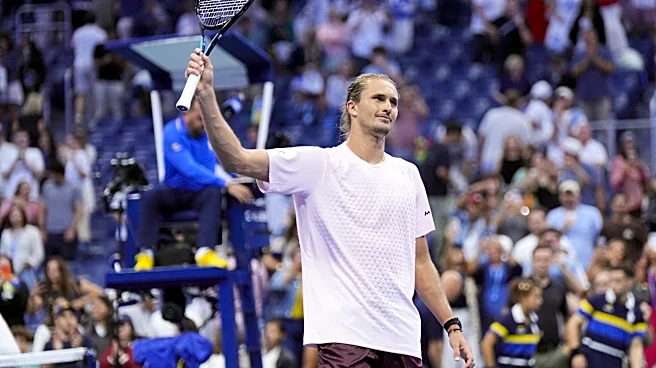
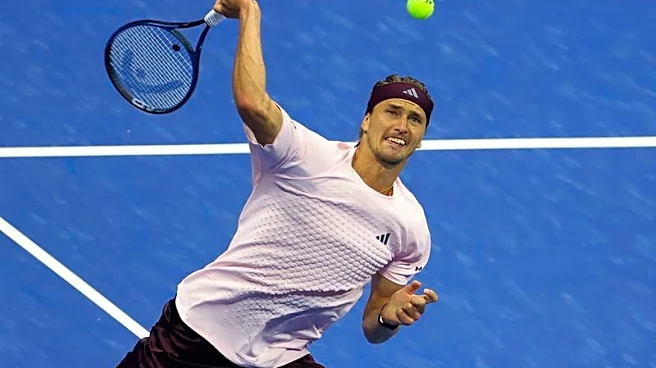
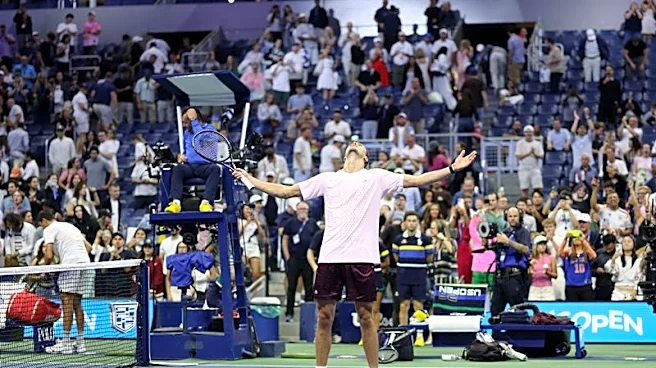
you mind? Because it's so strong." The umpire acknowledged the complaint, and U.S. Open employees reportedly attempted to locate the source of the smell in the crowd. Sabalenka ultimately won the match in straight sets, 6-3, 6-4. This incident is not isolated, as several other tennis players, including Katie Boulter, Nick Kyrgios, Alexander Zverev, and Casper Ruud, have previously voiced similar complaints about the smell of marijuana at the U.S. Open in Flushing Meadows, New York, with some noting it as a recurring issue.
Why It's Important?
This recurring issue at the U.S. Open highlights a clash between evolving social norms regarding marijuana use and the professional environment of elite sports. While recreational marijuana is legal in New York, its presence in a high-stakes athletic competition can be distracting and potentially impact player performance and focus. For athletes like Sabalenka, who require intense concentration, an unexpected strong odor can disrupt their mental game and overall experience. The repeated complaints from multiple players over several years indicate that this is a persistent problem that event organizers need to address. It raises questions about how major sporting events can manage public consumption of legal substances in a way that respects both attendees' rights and athletes' need for an optimal competitive environment.
What's Next?
The U.S. Open organizers will likely face continued pressure to address the issue of marijuana smell during matches. While employees reportedly tried to locate the source during Sabalenka's match, a more comprehensive strategy may be required. This could involve clearer communication to attendees about permissible consumption areas, increased monitoring, or enhanced ventilation systems in and around the courts. The challenge lies in balancing the legality of marijuana in New York with the desire to maintain a professional and distraction-free atmosphere for athletes. Future U.S. Open events may see new policies or enforcement measures implemented to mitigate this issue, potentially influencing how other major sporting events handle similar situations in jurisdictions where marijuana is legal.
Beyond the Headlines
The complaints about marijuana smell at the U.S. Open reflect broader societal adjustments to the legalization of cannabis. As more states legalize recreational marijuana, public spaces and events are grappling with how to integrate its use without infringing on the comfort or performance of others. This situation at a major international sporting event brings to the forefront discussions about public consumption, air quality, and the sensory environment in shared spaces. It also touches upon the cultural perception of marijuana, moving from an illicit substance to a legal, albeit sometimes disruptive, element of public life. The U.S. Open's experience could serve as a case study for other large-scale events and venues in navigating the complexities of cannabis legalization, prompting a re-evaluation of rules and etiquette in a changing legal landscape.