





What's Happening?
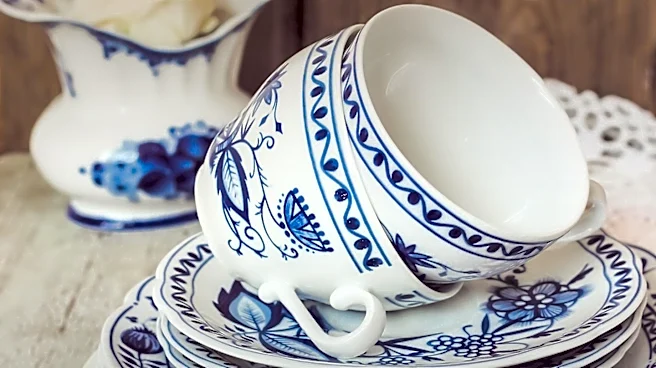
The cottagecore aesthetic, characterized by a nostalgic and whimsical design style, is gaining popularity among Gen-Z, leading to the revival of vintage plate walls. This trend, which was popular in the 1970s, had fallen out of favor but is now making
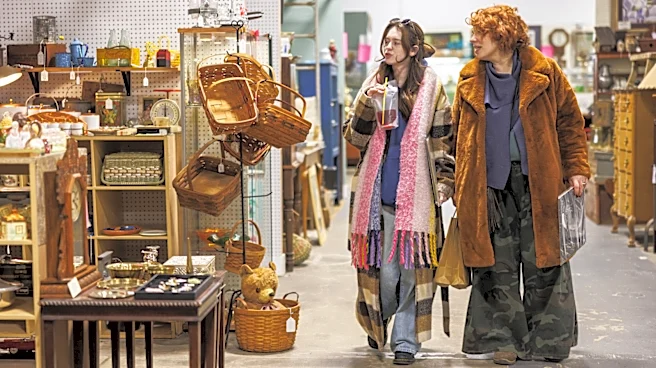
a comeback. Interior designer Lucy Harrison attributes this resurgence to the influence of grandpa-chic fashion, which has brought back various nostalgic decor elements. The plate wall trend allows for a personalized and meaningful aesthetic, as individuals can curate unique displays using second-hand finds. This style not only offers a distinctive look but also provides a sense of stability and familiarity, appealing to those seeking comfort in uncertain times.
Why It's Important?
The revival of vintage plate walls as part of the cottagecore trend reflects a broader cultural shift towards nostalgia and personalization in interior design. This trend is significant as it highlights Gen-Z's preference for individuality and meaningful decor over mass-produced items. The movement also supports sustainable practices by encouraging the use of second-hand and vintage items, which can reduce waste and promote eco-friendly living. Additionally, the trend's emphasis on creating a comforting and stable environment resonates with a generation facing global uncertainties, offering a psychological refuge through design.
What's Next?
As the cottagecore trend continues to grow, it is likely to influence other aspects of design and lifestyle, potentially leading to increased demand for vintage and second-hand items. Retailers and designers may respond by offering more products that align with this aesthetic, further integrating nostalgic elements into mainstream decor. The trend could also inspire new interpretations and adaptations, as individuals seek to personalize their spaces with unique and meaningful touches. This movement may encourage a broader acceptance of diverse design styles, fostering creativity and innovation in the industry.
Beyond the Headlines
The cottagecore trend, with its emphasis on nostalgia and personalization, may have deeper implications for cultural and social dynamics. It reflects a desire for connection to the past and a simpler way of life, which could influence broader lifestyle choices beyond interior design. This trend may also impact consumer behavior, as individuals prioritize experiences and personal expression over material possessions. Furthermore, the movement's focus on sustainability and second-hand shopping aligns with growing environmental consciousness, potentially driving more eco-friendly practices in various sectors.