




What's Happening?
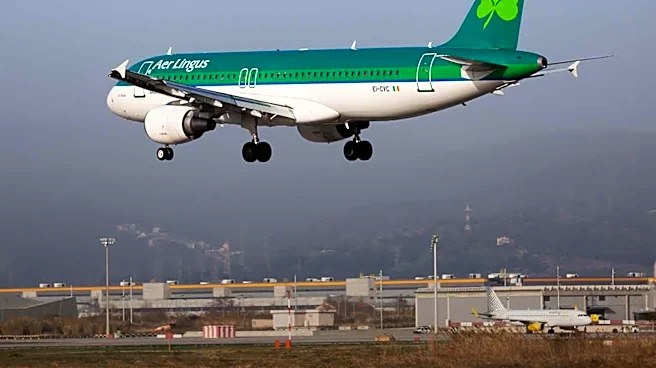
Aer Lingus provides a Business Class service on its transatlantic flights, including routes from Dublin to Chicago O’Hare, featuring fully flat beds, complimentary Wi-Fi, and Irish-inspired dining. A significant benefit for U.S.-bound passengers is the
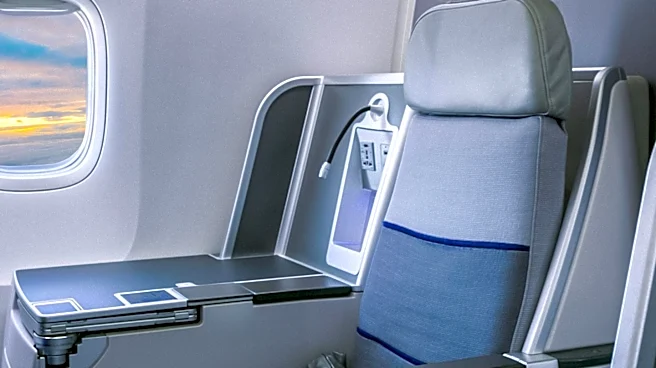
U.S. preclearance facility available at Dublin Airport. This allows travelers to complete American immigration, customs, and agricultural inspections before their departure, meaning they arrive in the U.S. as precleared travelers. This preclearance process is offered at only 15 airports worldwide, including Dublin and Shannon in Ireland, and several Canadian airports. The airline operates an all-Airbus fleet, with the A330 remaining its primary wide-body aircraft for busy transatlantic routes. The Business Class cabin on the A330-200 features 23 fully flat seats in a staggered 1-2-1 and 2-2-1 layout. While the cabin and seat design are noted as showing their age compared to newer aircraft, the overall experience is enhanced by thoughtful details and warm hospitality. The 51st & Green Lounge at Dublin Airport, located after U.S. preclearance, has recently undergone refurbishment and now offers upgraded facilities.
Why It's Important?
The U.S. preclearance facility at Dublin Airport significantly impacts U.S. travelers by streamlining their arrival process. By completing immigration and customs formalities before boarding in Dublin, passengers avoid potentially long queues upon landing at U.S. airports like Chicago O’Hare. This reduces travel time and stress, offering a smoother and more efficient entry into the United States. For Aer Lingus, this preclearance capability serves as a strong competitive advantage, attracting U.S.-bound passengers who prioritize convenience and efficiency. The availability of complimentary Wi-Fi in Business Class also caters to the needs of business travelers and others who require connectivity during long-haul flights, further enhancing the airline's appeal in the competitive transatlantic market. The continuous investment in lounge refurbishment, such as the 51st & Green Lounge, indicates Aer Lingus's commitment to improving the overall passenger experience, which can influence traveler choice and loyalty, ultimately benefiting the airline's market position on U.S. routes.
What's Next?
Aer Lingus will likely continue to leverage its U.S. preclearance advantage as a key selling point for its transatlantic routes. The recently refurbished 51st & Green Lounge is expected to enhance the pre-flight experience for Business Class passengers, potentially leading to increased satisfaction and repeat bookings. The airline may also consider further updates to its Business Class cabin and seat designs to remain competitive with newer long-haul aircraft offerings from other carriers. As part of International Airlines Group (IAG), Aer Lingus's strategic decisions will likely align with broader group initiatives to optimize routes and passenger services. The airline will continue to monitor passenger feedback and market trends to adapt its offerings, particularly concerning in-flight entertainment and amenities, to meet evolving traveler expectations on U.S. routes. The focus on Irish-inspired dining and hospitality is also expected to remain a core element of its brand identity.
Beyond the Headlines
The U.S. preclearance program, exemplified by the facility in Dublin, represents a broader trend in international travel security and efficiency. By extending U.S. border control functions to foreign airports, the program aims to enhance national security by identifying potential threats before they reach U.S. soil, while simultaneously improving the travel experience for passengers. This model could see expansion to more international airports, potentially reshaping global air travel logistics and passenger flows. For U.S. airports, the preclearance system can alleviate congestion at immigration checkpoints, allowing for more efficient processing of arriving international flights. From an economic perspective, it can also foster stronger tourism and business ties between the U.S. and countries hosting preclearance facilities, as the ease of travel becomes a significant factor for travelers. The success of such programs highlights the increasing collaboration between nations on border management and security, impacting not just airlines but also national economies and diplomatic relations.