







What's Happening?
Facility managers are being advised to develop comprehensive natural disaster plans well in advance of any impending crisis. The effectiveness of an emergency plan hinges on its preparation, with many plans failing due to outdated contact lists, unclear
responsibilities, unvetted vendors, and unpracticed protocols. An effective plan must address three core questions: how to protect people, how to protect the facility, and how to safely return to service. Key steps include assessing the most likely risks for a specific location, establishing a clear chain of command with backup contacts, and prioritizing the safety of occupants over property. Facilities should also maintain a pre-disaster checklist for immediate actions like securing outdoor objects and documenting the facility's condition. Building a recovery team with pre-identified partners for cleaning, restoration, and maintenance is crucial, as is avoiding a rushed return to normalcy post-disaster to ensure safety.
Why It's Important?
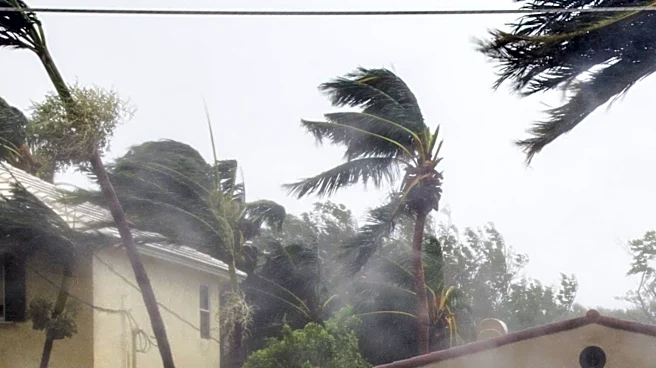
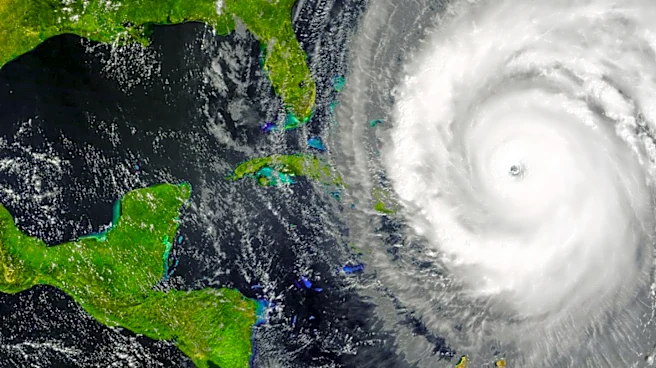
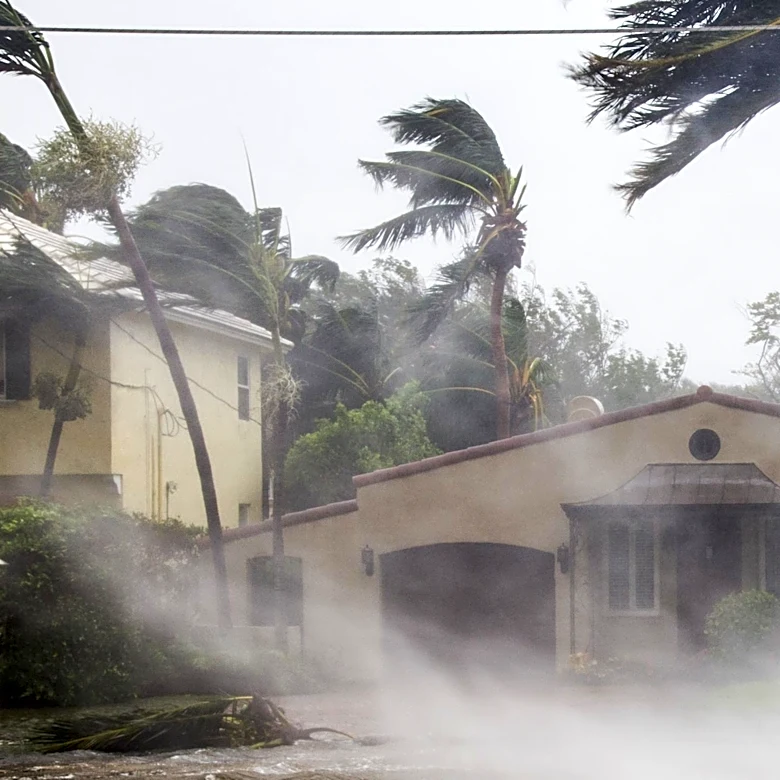
Proactive disaster planning is critical for minimizing damage, ensuring the safety of occupants, and facilitating a swift and efficient recovery for facilities. Without a well-structured plan, businesses face significant operational failures, increased financial losses, and potential harm to employees and customers. The emphasis on identifying risks specific to a facility's location, such as hurricanes in Florida, allows for tailored and effective preparedness. Establishing a clear chain of command prevents confusion during emergencies, which can save lives and reduce response times. Prioritizing people over property underscores the ethical responsibility of facility management. Furthermore, pre-selecting recovery partners ensures that essential services are available immediately after a disaster, avoiding competition for resources when demand is high. This comprehensive approach helps businesses maintain continuity and resilience in the face of unpredictable natural events.
What's Next?
Facility managers are encouraged to regularly review and revise their natural disaster plans, as buildings, employees, and vendors change, and disaster scenarios rarely unfold exactly as imagined. Post-disaster reviews are essential to identify what worked, what failed, and what caused delays, allowing for immediate updates to the plan. This continuous improvement cycle ensures that emergency protocols remain effective and relevant. Training employees on emergency procedures and conducting regular drills are also vital to ensure that everyone understands their roles and responsibilities. The ongoing assessment of facility vulnerabilities and the proactive engagement with service partners will remain key components of effective disaster preparedness, ensuring that facilities are as resilient as possible when unexpected events occur.
Beyond the Headlines
The call for proactive disaster planning extends beyond mere operational efficiency; it touches upon broader societal resilience and economic stability. When individual facilities are well-prepared, the collective community is better equipped to withstand and recover from widespread natural disasters. This approach also highlights the often-underestimated role of cleaning and maintenance teams, who are frequently among the first to identify vulnerabilities and are critical during recovery efforts. The emphasis on safety before reopening reflects a shift towards a more responsible and ethical business practice, prioritizing human well-being over immediate financial gains. Long-term, robust disaster planning can contribute to lower insurance premiums, reduced business interruption, and enhanced public trust, fostering a more secure and sustainable operational environment.