



What's Happening?
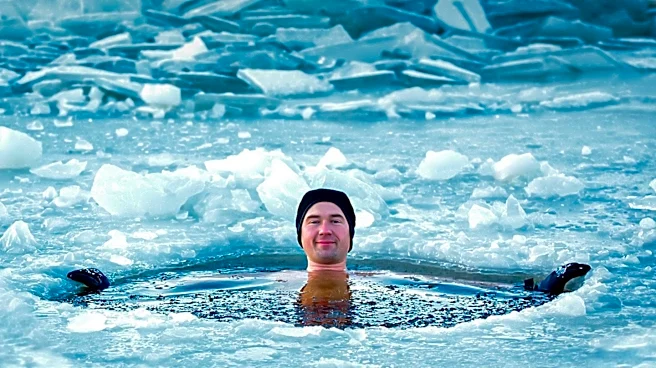
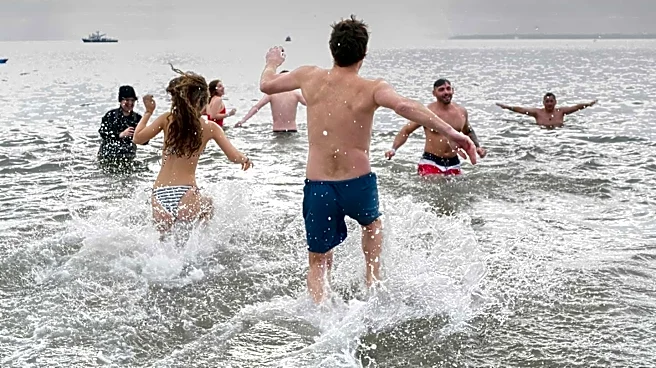
Cold plunges, involving immersion in water typically between 39 and 59°F, are gaining attention for their potential health benefits. For beginners, the recommended water temperature is on the warmer end, around 50 to 59°F. The duration of a cold plunge is crucial,
with shorter dips advised for colder temperatures. A structured four-week beginner plan suggests starting with 30 to 60 seconds per dip, 1 to 2 times a week, and gradually increasing to 2 to 3 minutes, 3 times a week. The initial 30 seconds are often the most challenging, with the gasp reflex subsiding as breathing settles. It's important to note that longer durations are not necessarily better, as risks can increase beyond five minutes. Individuals are advised to exit the plunge if they experience shivering, numbness, or dizziness. Research indicates that approximately 11 minutes of cold exposure spread across a week can yield benefits, suggesting that consistent, short dips are more effective than infrequent, prolonged sessions.
Why It's Important?
The growing popularity of cold plunges highlights a broader interest in alternative recovery and wellness practices within the U.S. health and fitness industry. This trend impacts consumers seeking new methods for physical and mental well-being, as well as businesses offering related services and products. The emphasis on gradual progression and safety guidelines is crucial for preventing adverse health outcomes, particularly for individuals with pre-existing conditions. The recommendation to avoid cold plunging immediately after strength training, if muscle building is the primary goal, provides important guidance for athletes and fitness enthusiasts, influencing their training routines. The potential benefits, such as reduced inflammation, enhanced circulation, and improved mental well-being, could lead to increased adoption of cold plunging, driving demand for specialized facilities and equipment. Conversely, the warnings about consulting a doctor for certain health conditions underscore the need for responsible engagement with such practices, potentially leading to more regulated or medically supervised offerings in the future.
What's Next?
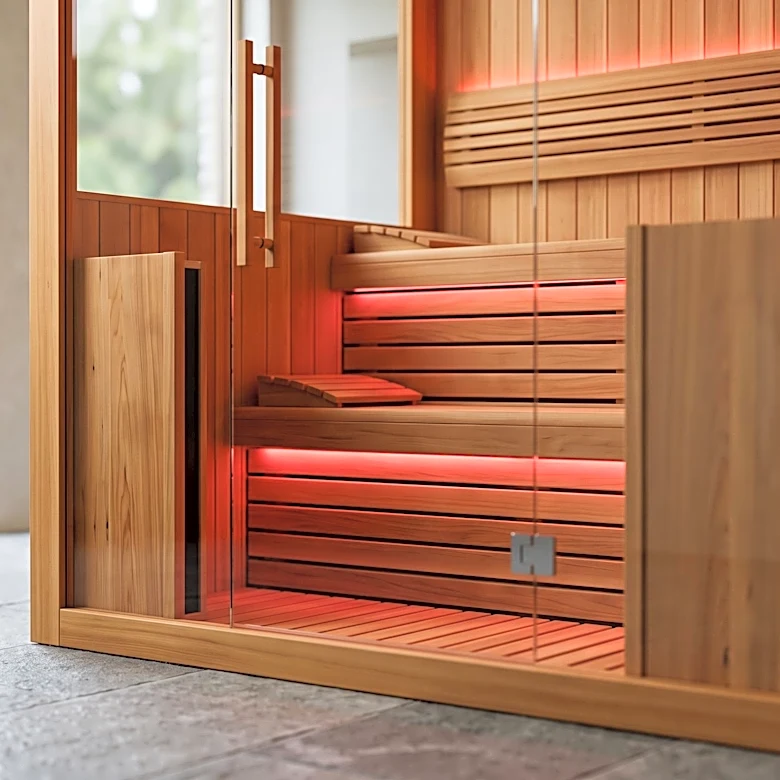
As cold plunging continues to gain traction, it is likely that more fitness centers, wellness spas, and specialized recovery facilities across the U.S. will integrate cold plunge options into their services. There may be an increase in the development of home-based cold plunge units, catering to individuals seeking convenience. Educational resources and guided programs for safe and effective cold plunging are also expected to expand, targeting both beginners and experienced users. The medical community may further investigate the long-term health impacts and specific therapeutic applications of cold exposure, potentially leading to more evidence-based recommendations. Additionally, the integration of cold plunging with other wellness practices, such as contrast therapy (alternating between heat and cold), could become more prevalent, offering comprehensive recovery solutions. Continued emphasis on safety protocols and medical consultation will be vital to ensure the responsible growth of this wellness trend.
Beyond the Headlines
The rise of cold plunging reflects a broader cultural shift towards proactive health management and biohacking, where individuals seek to optimize their physical and mental performance through various interventions. This trend extends beyond traditional fitness, touching upon aspects of mental resilience and stress management, as the initial discomfort of cold immersion can train the body and mind to cope with stress. The accessibility of cold plunging, from DIY solutions to high-end facilities, also raises questions about equitable access to wellness practices and the potential for commercialization. Furthermore, the emphasis on 'listening to your body' and avoiding excessive exposure highlights a growing awareness of individual physiological responses and the limitations of 'one-size-fits-all' health advice. This movement could also influence product innovation in the wellness sector, leading to more sophisticated and user-friendly cold therapy devices and services.