




What's Happening?
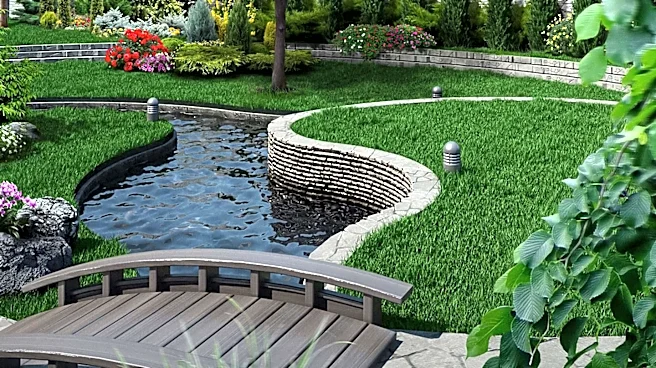
Artist Kirstine Hindhede has transformed an overgrown plot in Copenhagen into a living work of art, integrating her sculptures with the natural environment. Initially facing a dense carpet of ground elder, Hindhede established a nine-meter-long pond to anchor
the space horizontally. Her approach to gardening is informed by her sculptural work, focusing on space, weight, and rhythm. Instead of tilling the soil, she layered compost, aiming to preserve the existing micro-life. Hindhede's sculptures, which she refers to as cairns, are large-scale abstractions of botanical phenomena or organic forms, designed to coexist with the plants. She emphasizes the plants' inherent wisdom and their deep connection to their surroundings, stating that a plant's identity is its relationship to its environment. The garden features a mix of purchased native plants, wild species from the countryside, and frost-resistant exotic grasses. After eight years, Hindhede notes her understanding of the plants' nature, observing their preference for choosing their own spaces and their resilience.
Why It's Important?
This artistic endeavor highlights a growing trend in environmental art and sustainable living, emphasizing a harmonious relationship between human creation and nature. Hindhede's method of layering compost rather than tilling reflects a broader ecological principle of minimal disturbance, which is crucial for soil health and biodiversity. Her philosophy that plants possess an inherent wisdom and autonomy challenges conventional human-centric views of gardening and land management. This approach can inspire new perspectives on urban green spaces and private gardens, promoting ecological awareness and sustainable practices. The integration of sculptures with living plants creates a unique aesthetic that blurs the lines between art and nature, potentially influencing landscape design and public art installations to be more environmentally conscious and interactive. The project also underscores the long-term commitment required for such ecological and artistic undertakings, demonstrating the value of patience and observation in understanding natural processes.
What's Next?
Hindhede recently introduced a new element to her garden: oak sculptures shaped as magnified seeds, nestled among the greenery. This addition suggests an ongoing evolution of the garden, with new artistic components continually being integrated into the natural landscape. Future developments may include further exploration of how these sculptural elements interact with the growing plants and changing seasons. The garden could serve as a model for other artists and environmentalists seeking to create sustainable and aesthetically rich spaces. It may also attract further attention from the art and design communities, potentially leading to exhibitions, workshops, or collaborations that disseminate Hindhede's unique approach to art and nature. The long-term observation of the garden's ecosystem and the interaction between the sculptures and plants will continue to provide insights into ecological art and sustainable design.
Beyond the Headlines
Hindhede's garden transcends mere aesthetics, offering a profound commentary on humanity's relationship with the natural world. Her belief that plants possess a wisdom that humans often overlook challenges anthropocentric perspectives and encourages a more humble and observant interaction with nature. The concept of sculptures as 'cairns' that territorialize the landscape, yet hold equal status with plants, suggests a redefinition of artistic dominance over nature. This project delves into ethical considerations of land use and the responsibility of humans to foster, rather than control, natural processes. Culturally, it contributes to a broader dialogue about the role of art in promoting ecological consciousness and the potential for art to facilitate a deeper connection with the environment. The garden becomes a metaphor for life's ongoing, unfolding narrative, where birth, sex, and death are openly visible, reminding viewers of the cyclical nature of existence and the enduring power of plants.