
What's Happening?
Saudi live-streaming platform HooLive has migrated its entire technology stack to Tencent Cloud, encompassing infrastructure, databases, live streaming, video on demand, and content delivery network services,
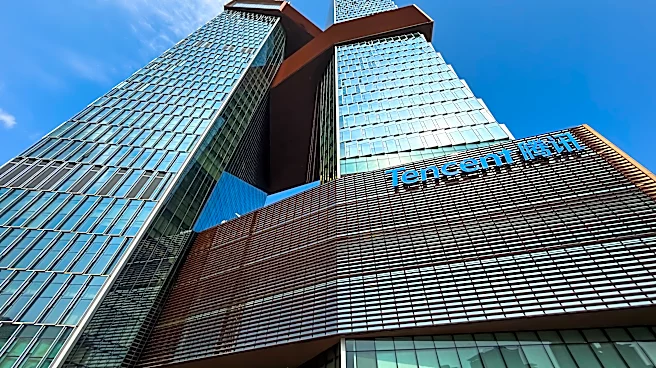
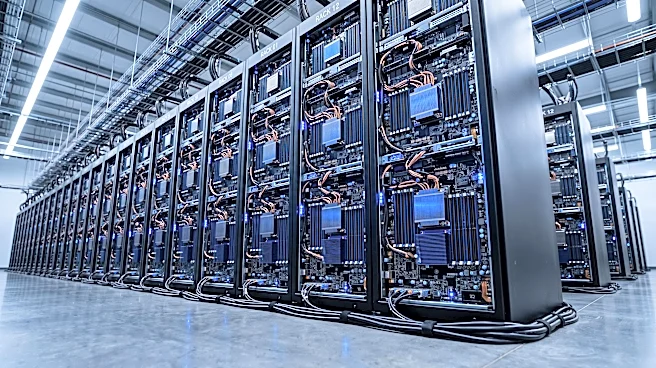
while also upgrading to containers for enhanced flexibility and resilience. This move is a significant win for Tencent Cloud, which recently established its first Middle Eastern cloud region in Saudi Arabia in February 2025 and is actively exploring further data center expansion in the area. Rachel Xie, who leads Tencent Cloud’s Middle East business, highlighted the deal as a strategic partnership supporting a prominent local entertainment platform. Concurrently, Tencent's third-quarter results revealed an 8% revenue increase to RMB 207.3 billion, but capital spending surged by 225% to RMB 65.1 billion, resulting in negative free cash flow of RMB 69.1 billion. This substantial increase in capital expenditure is attributed to accelerated investment in AI infrastructure. Despite the significant spending, Tencent reported an acceleration in cloud services revenue growth to 35% year-on-year, up from 21% in the previous quarter, driven by GPU rentals and model services. Additionally, Tencent’s AI application, WorkBuddy, has surpassed 10 million daily users, with its annualized revenue exceeding $500 million.
Why It's Important?
This development is important for Tencent as it signifies a successful expansion into the Middle Eastern cloud market, providing a crucial proof point for its regional strategy. Securing a major client like HooLive demonstrates Tencent Cloud's growing competitiveness and technical capabilities in a new geographical market. The substantial investment in AI infrastructure, while impacting short-term free cash flow, indicates Tencent's long-term commitment to AI development and its ambition to become a leading player in AI services. The accelerated growth in cloud services revenue, particularly from GPU rentals and model services, suggests that these investments are beginning to yield returns. This strategic focus on AI and cloud services positions Tencent to capitalize on the increasing global demand for advanced computing and AI solutions. The performance of WorkBuddy further underscores Tencent's ability to develop and monetize AI applications, contributing to its overall ecosystem and revenue streams. This move also intensifies competition within the global cloud market, as Tencent aims to close the gap with rivals like Alibaba, which has reported even higher growth rates in its AI and cloud businesses.
What's Next?
Tencent's chief strategy officer, James Mitchell, anticipates that capital spending will remain near its peak through 2027 before easing in 2028, indicating a continued aggressive investment in AI infrastructure. This sustained investment suggests that Tencent will likely further enhance its AI capabilities and expand its cloud service offerings, potentially leading to more competitive solutions for customers. The company is expected to continue opening its computing capacity, previously reserved for internal AI tools, to paying customers, which could further accelerate cloud revenue growth. Tencent will likely pursue additional regional customers in the Middle East and other emerging markets to solidify its global cloud presence. The success of HooLive's migration could serve as a case study to attract more clients, particularly those seeking robust video-on-demand and live-streaming solutions. The ongoing competition with Alibaba in the cloud and AI sectors will likely drive further innovation and market expansion efforts from both companies, benefiting businesses seeking advanced digital solutions.
Beyond the Headlines
The significant capital expenditure by Tencent on AI infrastructure highlights a broader industry trend where major tech companies are pouring resources into developing advanced AI capabilities. This investment is not just about immediate returns but about securing a long-term competitive advantage in an AI-driven future. The shift of HooLive to Tencent Cloud also underscores the increasing reliance of entertainment platforms on scalable and resilient cloud infrastructure to deliver content to millions of users. This trend suggests a growing demand for specialized cloud services tailored to media and entertainment, such as video-on-demand and live-streaming solutions. Furthermore, Tencent's expansion into the Middle East reflects the growing digital transformation efforts in the region, creating new opportunities for global tech providers. The strategic importance of data centers and cloud regions in emerging markets will likely continue to grow, influencing geopolitical and economic landscapes as countries seek to build their digital economies. The success of AI applications like WorkBuddy also points to the increasing integration of AI into everyday business operations, driving efficiency and new revenue models.