
What's Happening?
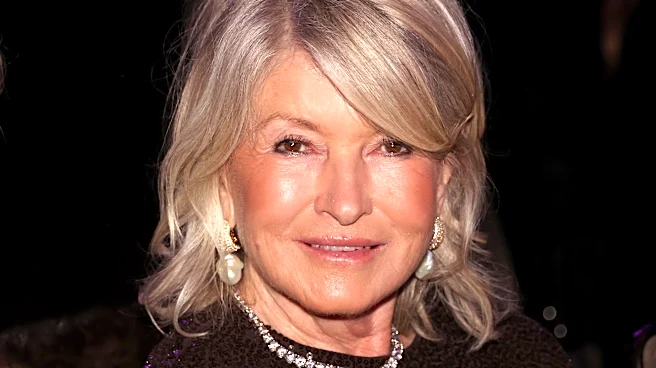
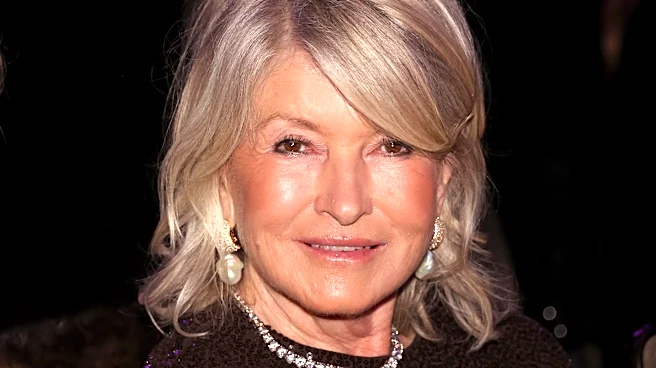
Martha Stewart, 85, recently made a spelling error in a Thanksgiving Facebook post, which quickly drew attention from her followers. The post, intended to share photos of her holiday celebrations, included the phrase 'Random s—s if good and ambiance from the Thursday/Friday
celebrations!!!' instead of 'Random shots.' When fans pointed out the mistake, Stewart responded in a subsequent post, attempting to address the criticism. However, in her defense, she made another spelling error, writing 'Missellings do occur and should be ignored' instead of 'misspellings.' This incident follows earlier backlash Stewart received for her Halloween costume, which depicted her as a homeless person. The costume, shared on October 31, featured her in tattered clothing holding a cardboard sign asking for food, and was later deleted due to public criticism regarding its insensitivity. Stewart has since apologized for both the costume and the typo, explaining that the costume was a last-minute change after chocolate spilled on her original outfit.
Why It's Important?
This series of events highlights the challenges public figures face in managing their online presence and the immediate scrutiny that social media platforms can bring. For Martha Stewart, a prominent lifestyle mogul, these incidents underscore how quickly public perception can be influenced by seemingly minor missteps or controversial choices. The backlash over her Halloween costume, in particular, reflects a broader societal sensitivity towards issues like homelessness and the importance of thoughtful representation. Her subsequent apologies, while attempting to mitigate the damage, also demonstrate the pressure public figures face to address controversies directly and transparently. The incidents serve as a reminder that even established personalities are not immune to the pitfalls of digital communication and the rapid dissemination of information, which can impact their brand and public image.
What's Next?
Following these incidents, Martha Stewart will likely continue to navigate public perception with increased caution regarding her social media posts and public appearances. The immediate aftermath has seen her issue apologies, indicating an effort to mend her public image. Future social media content from Stewart may be more carefully curated to avoid similar controversies. For her followers and the public, these events could lead to a more critical eye on her online interactions. The incidents may also prompt other public figures to re-evaluate their own social media strategies, particularly concerning sensitive topics or potential miscommunications. The ongoing nature of social media means that past controversies can resurface, requiring sustained effort from public figures to maintain a positive and authentic connection with their audience.
Beyond the Headlines
Beyond the immediate reactions, these events touch upon broader themes of digital literacy, public accountability, and the evolving nature of celebrity. Stewart's typos, while seemingly minor, illustrate how easily miscommunications can occur online and how quickly they can be amplified. The controversy surrounding her Halloween costume delves into ethical considerations of representation and the potential for unintended offense, even when intentions may be different. It highlights the fine line public figures walk between creative expression and social responsibility. These incidents also reflect a cultural shift where audiences expect greater authenticity and sensitivity from public figures, and where missteps can lead to significant public discourse and reevaluation of their brand. The rapid response and subsequent apologies from Stewart underscore the power of public opinion in the digital age.