





What's Happening?
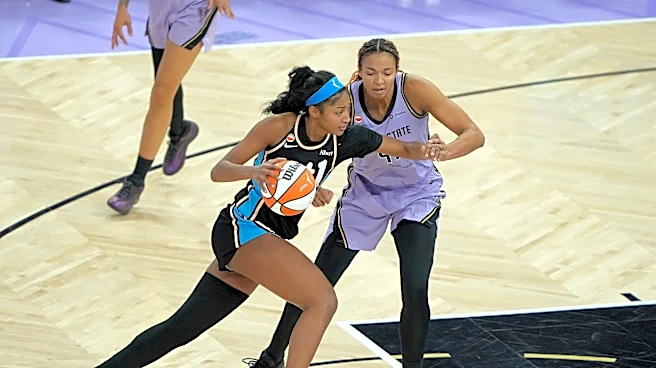
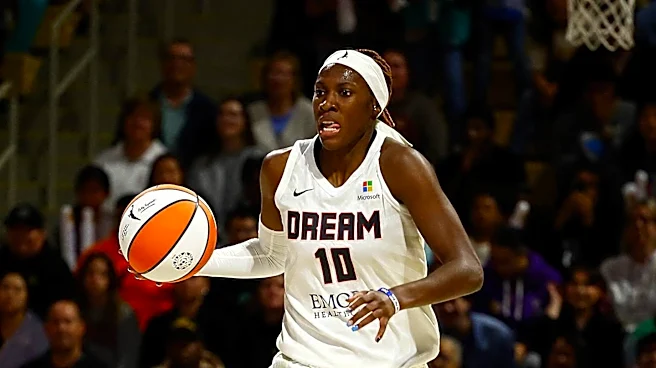
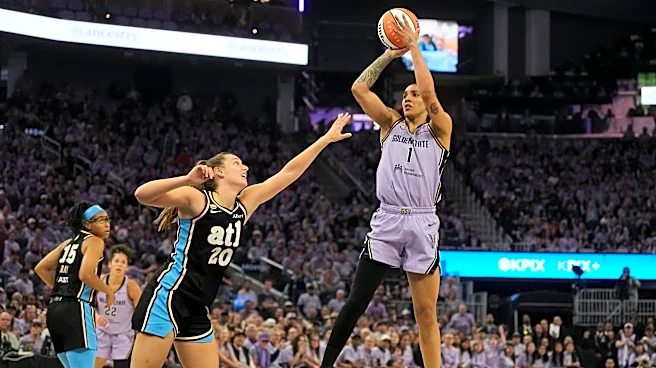
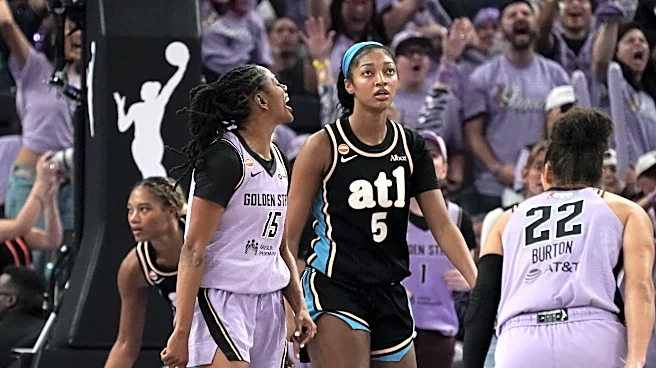
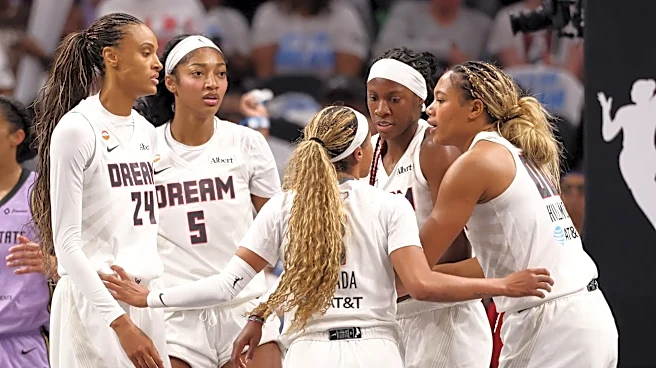
Atlanta Mayor Andre Dickens has issued a public plea to employers and educators in the city, asking them to allow employees and students flexibility to watch Game 6 of the WNBA Finals. The Atlanta Dream are set to play the Golden State Valkyries in a critical
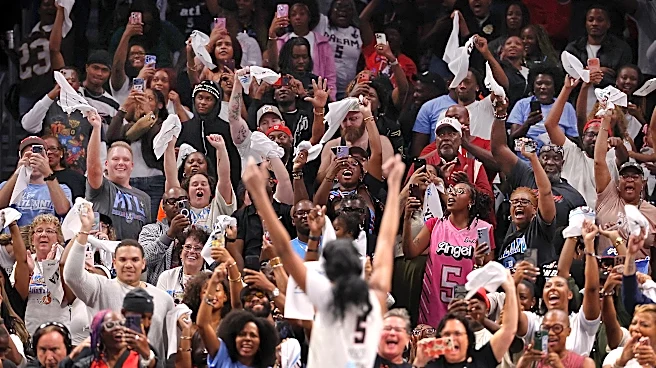
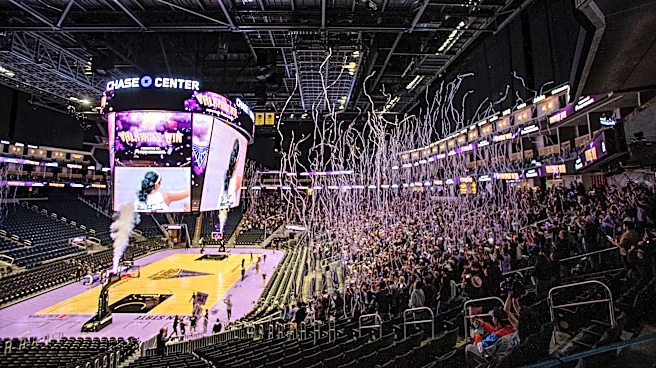
matchup, with the Valkyries leading the best-of-seven series 3-2. Game 6, scheduled for Thursday, October 29, at 12:30 p.m. Eastern Time, was moved to an afternoon slot due to a scheduling conflict at State Farm Arena, which is also hosting an Atlanta Hawks game later that evening. This early tip-off time during working and school hours has raised concerns about fan attendance and viewership. Angel Reese, a prominent figure, reshared Mayor Dickens' message on her Instagram Story, emphasizing the collective responsibility of Atlanta residents to support their home team in their pursuit of a WNBA championship. Despite the inconvenient timing, the Atlanta Dream announced that Game 6 at State Farm Arena has sold out, indicating strong local support.
Why It's Important?
This situation highlights the ongoing challenges faced by women's professional sports leagues in securing optimal scheduling and visibility, even during championship events. The WNBA's decision to prioritize an NBA game over a WNBA Finals game, leading to an inconvenient afternoon tip-off, underscores a broader issue of resource allocation and perceived importance within the sports entertainment landscape. Mayor Dickens' intervention, supported by public figures like Angel Reese, demonstrates a community-level effort to counteract these systemic challenges and rally support for a local team. The sellout crowd, despite the scheduling hurdle, signifies the growing fan base and dedication to women's basketball, but also points to the need for more strategic scheduling that maximizes fan engagement and media exposure. This event could influence future scheduling decisions for major sporting events, particularly for women's leagues, by drawing attention to the impact of inconvenient game times on fan participation and team morale.
What's Next?
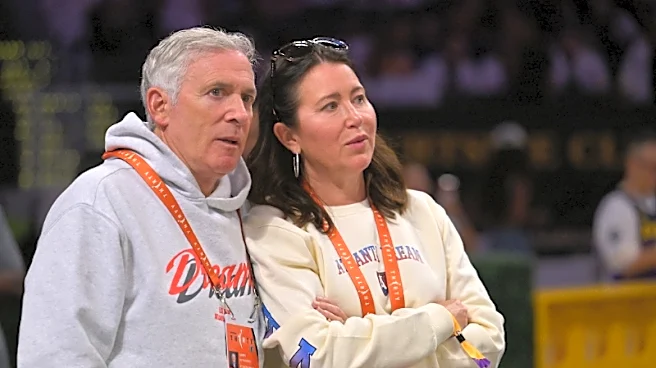
The immediate focus is on Game 6, where the Atlanta Dream will attempt to win and force a decisive Game 7 in San Francisco. The outcome of this game will determine if the Golden State Valkyries clinch their first WNBA title or if the series extends. Beyond the current series, the controversy surrounding the scheduling of Game 6 may prompt further discussions within the WNBA and other sports leagues regarding venue conflicts and the prioritization of games. Atlanta Dream ownership had previously voiced concerns about the WNBA's scheduling decisions months in advance, suggesting that this issue could lead to a reevaluation of how such conflicts are managed in the future. The strong fan turnout for Game 6, despite the challenges, could serve as a powerful message to league officials about the dedication of the WNBA fan base and the importance of accommodating them.
Beyond the Headlines
The scheduling conflict and the mayor's subsequent plea touch upon deeper societal and cultural implications regarding the visibility and support of women's sports. The need for a mayor to issue an 'excuse note' for a championship game highlights a disparity in how men's and women's professional sports are often perceived and accommodated in daily life. It implicitly questions whether similar measures would be necessary for a men's professional sports championship game. This incident could spark broader conversations about equitable treatment and investment in women's sports, not just from leagues and venues, but also from employers and educational institutions. The collective effort to ensure fan attendance and viewership, despite logistical hurdles, reflects a growing movement to elevate women's athletics and challenge traditional norms that might inadvertently sideline them. It also underscores the power of community and public figures in advocating for cultural shifts.