




What's Happening?
The market for pre-owned Tiffany & Co. jewelry is gaining significant traction, offering consumers in areas like Miami Beach and Surfside an opportunity to acquire luxury pieces at more accessible price points than retail. This trend is particularly noted
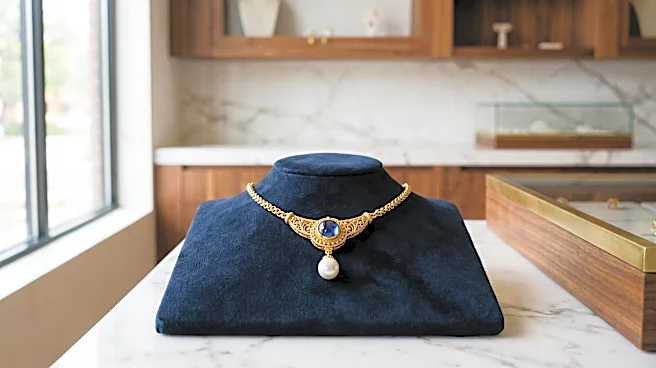
as Thanksgiving approaches, with pre-owned items being presented as meaningful gifts that combine authenticity with value. Retailers are curating extensive collections of used Tiffany jewelry, including engagement rings, necklaces, bracelets, earrings, and diamond studs, all meticulously inspected for authenticity and quality. The appeal lies in the brand's enduring craftsmanship and design, which maintain their value and aesthetic across generations. Pieces from collections like Tiffany T and Return to Tiffany are highlighted for their contemporary relevance and classic appeal, making them sought-after in the secondary market. This shift reflects an evolving landscape in luxury consumption, where pre-owned items are increasingly viewed as sophisticated and financially prudent alternatives to new purchases.
Why It's Important?
The growing popularity of pre-owned Tiffany & Co. jewelry signifies a broader shift in consumer behavior within the luxury market. This trend is important because it democratizes access to high-end brands, allowing a wider range of consumers to own luxury items that might otherwise be financially out of reach. For the U.S. economy, this market segment contributes to a circular economy, promoting sustainability by extending the lifecycle of luxury goods. It also creates a robust secondary market that supports specialized businesses in authentication, appraisal, and restoration, generating economic activity and employment. Consumers benefit from significant cost savings without compromising on quality or brand prestige, as Tiffany's reputation for durability and timeless design ensures these pieces retain their value. This market also offers unique access to vintage or discontinued designs, appealing to collectors and those seeking distinctive items not available in current retail offerings.
What's Next?
The trend of purchasing pre-owned luxury jewelry, particularly from brands like Tiffany & Co., is expected to continue its upward trajectory. As consumers become more conscious of value and sustainability, the demand for authenticated used luxury items will likely grow. Retailers specializing in pre-owned luxury will continue to expand their inventories and refine their authentication processes to meet this demand, potentially leading to increased competition and more sophisticated online and in-store experiences. We may also see more luxury brands exploring official certified pre-owned programs to capture a share of this market and maintain brand control. For consumers, this means a continued expansion of choices and potentially more competitive pricing. The holiday seasons, such as Thanksgiving and Christmas, will likely remain peak periods for sales in this segment, as consumers seek meaningful and valuable gifts.
Beyond the Headlines
Beyond the immediate financial benefits, the rise of the pre-owned luxury jewelry market touches upon deeper cultural and ethical implications. It challenges traditional notions of luxury, moving away from the sole pursuit of newness towards an appreciation for heritage, craftsmanship, and sustainability. Ethically, purchasing pre-owned jewelry can be seen as a more responsible consumption choice, reducing the environmental impact associated with new production and mining. Culturally, it fosters a narrative of storytelling, where each piece carries a history, adding a unique dimension to its value. This market also highlights the enduring quality of brands like Tiffany & Co., demonstrating that true luxury is not ephemeral but designed to last generations. It encourages a more thoughtful approach to consumption, where items are viewed as investments and heirlooms rather than disposable goods, potentially influencing broader consumer attitudes towards durability and longevity in other product categories.