







What's Happening?
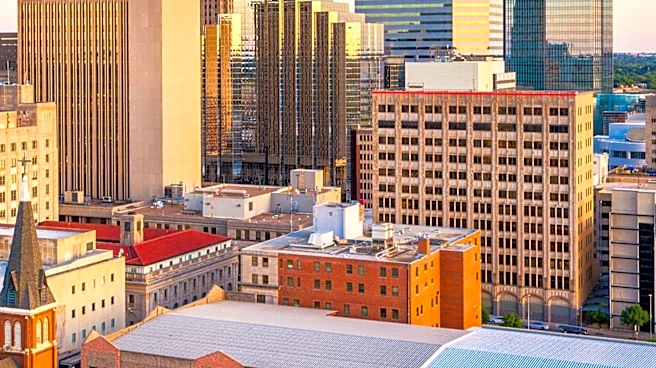
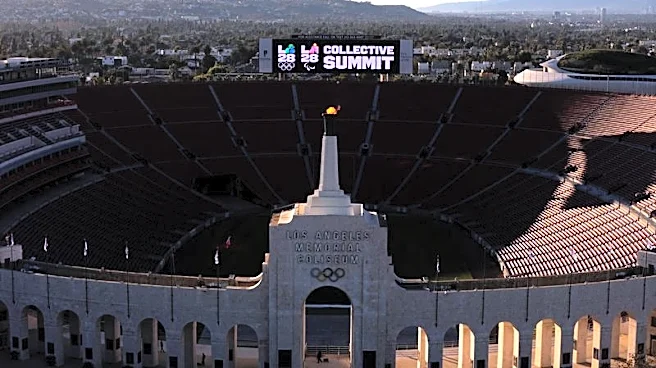
Oklahoma City is actively preparing to host softball and slalom paddle competitions for the Los Angeles 2028 Olympic Games, a culmination of decades of strategic investment in sports infrastructure. The city's journey to this point began with the relocation
of the Amateur Softball Association (now USA Softball) in the late 1960s and the subsequent development of facilities like Devon Park, which hosts the NCAA Women’s College World Series. Concurrently, RIVERSPORT founder Mike Knopp spearheaded the development of rowing and whitewater facilities on the Oklahoma River, including a whitewater course opened in 2016 as part of MAPS 3. These long-term commitments to sports development and the cultivation of relationships with international sports organizations have positioned Oklahoma City as a capable host for Olympic events. Team OKC, the local organizing committee, is coordinating preparations across venues, transportation, security, accommodations, and the athlete experience, with Oklahoma City University serving as an athlete village.
Why It's Important?
Hosting Olympic events represents a significant milestone for Oklahoma City, validating its long-term investments in sports and urban development. This opportunity will elevate the city's global profile, attracting international visitors, athletes, and media attention, which can boost tourism and local businesses. The Games provide a platform to showcase Oklahoma City's infrastructure and hospitality, potentially leading to increased recognition among prospective residents and investors. Beyond the immediate economic benefits, the event can foster civic pride and community engagement through planned watch parties and arts programming. The experience gained from organizing such a large-scale international event could also position Oklahoma City to pursue future NCAA championships and other international competitions, expanding its reputation as a premier sports destination.
What's Next?
Team OKC will continue its intensive preparations for the 2028 Olympic Games, focusing on refining logistics for competition venues, transportation, security, and athlete accommodations. Specific plans for community engagement, including watch parties and arts programming, are still under development and will be finalized closer to the event. Oklahoma City University will continue its preparations to serve as the athlete village, aiming to provide an experience comparable to that offered in Los Angeles. Post-2028, city leaders anticipate leveraging the Olympic experience to attract further international events and investments, building on the enhanced credibility and brand identity established during the Games. The city expects to be on the radar of other international federations for future sporting events.
Beyond the Headlines
The Olympic Games in Oklahoma City transcend mere sporting events; they represent a powerful narrative of urban transformation and strategic foresight. The decades-long commitment to developing sports facilities, even when initial ideas like a whitewater course seemed unconventional, demonstrates a long-term vision for civic growth. This approach highlights how sustained investment in specific sectors can yield significant returns in terms of international recognition and economic development. The Games also underscore the importance of public-private partnerships and community buy-in, as evidenced by the MAPS 3 initiative and the collaboration with local universities. This event could serve as a case study for other mid-sized U.S. cities looking to enhance their global standing through targeted infrastructure and event hosting strategies, demonstrating how a city can build its brand and identity on a global stage.