



What's Happening?
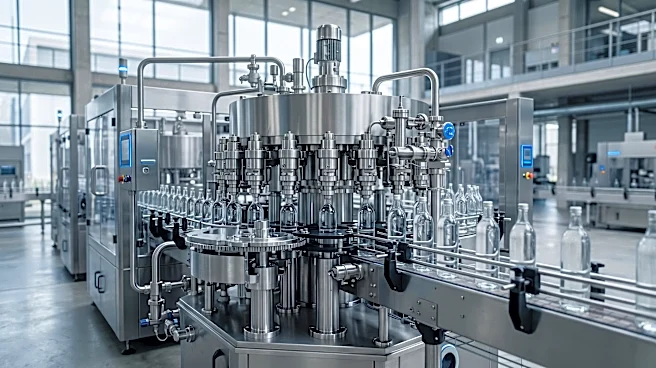
Orbis Machinery, LLC, an OEM manufacturer specializing in custom industrial process equipment such as mixing, blending, drying, milling, and size reduction machinery, is actively recruiting a Mechanical Designer. The role primarily involves creating and revising
3D models and detailed manufacturing drawings for custom industrial equipment, components, and assemblies. Key responsibilities include developing fabrication, machining, assembly, and equipment layout drawings from 3D models, applying appropriate dimensions, tolerances, geometric dimensioning and tolerancing (GD&T), weld symbols, materials, finishes, and manufacturing notes. The Mechanical Designer will also be responsible for creating and maintaining bills of materials, updating documentation as designs change, and supporting reverse-engineering projects by measuring existing equipment to develop accurate models and drawings. The position requires reviewing drawings for accuracy, completeness, fit, and manufacturability, and collaborating with Engineering, Fabrication, Machining, and Assembly teams to resolve design-related questions. Candidates are preferred to have an Associate degree or technical diploma in Mechanical Design or a related field, along with proficiency in 3D CAD software like SolidWorks or Autodesk Inventor.
Why It's Important?
This job opening at Orbis Machinery highlights a critical demand within the U.S. manufacturing sector for skilled mechanical designers, particularly those proficient in advanced CAD software and industrial equipment design. The need for custom industrial process equipment underscores the specialized nature of many U.S. manufacturing operations, which often require bespoke solutions rather than off-the-shelf machinery. The emphasis on detailed manufacturing drawings, GD&T, and bills of materials reflects the high precision and quality standards expected in this industry. For the U.S. economy, a robust workforce in mechanical design is essential for innovation, product development, and maintaining a competitive edge in industrial machinery production. The ability to support reverse-engineering projects and equipment modifications also points to the importance of extending the lifecycle of existing machinery and adapting to evolving industrial needs, contributing to sustainability and cost-efficiency for U.S. businesses. This role directly supports the foundational infrastructure of various U.S. industries that rely on specialized processing equipment.
What's Next?
The ongoing demand for Mechanical Designers in companies like Orbis Machinery suggests a continued focus on custom industrial solutions and the modernization of manufacturing processes across the U.S. Educational institutions and vocational programs will likely see sustained interest in mechanical design, CAD, and engineering technology fields to meet this industry need. Companies will continue to invest in advanced 3D CAD software and related technologies to enhance design efficiency and accuracy. Furthermore, the integration of design with manufacturing processes will become even more seamless, driven by the need for rapid prototyping and production. The emphasis on supporting equipment modifications and legacy documentation indicates a long-term commitment to optimizing existing assets and ensuring operational continuity, which will be a key strategy for U.S. manufacturers looking to maximize their investments and adapt to future industrial challenges.
Beyond the Headlines
The specialized role of a Mechanical Designer in custom industrial equipment manufacturing reflects a deeper trend in the U.S. industrial landscape: the increasing complexity and customization of production systems. This isn't just about designing parts; it's about integrating intricate mechanical, electrical, and control systems to create highly efficient and specialized machinery. The reliance on advanced CAD software and precise documentation standards like GD&T underscores the critical role of digital tools in modern engineering, blurring the lines between traditional drafting and digital modeling. This also raises questions about intellectual property and proprietary designs, as custom solutions often involve unique innovations. Culturally, it highlights the value placed on precision, problem-solving, and interdisciplinary collaboration within engineering teams. The ability to reverse-engineer and adapt existing equipment also speaks to a broader ethos of resourcefulness and continuous improvement, crucial for maintaining a competitive and resilient manufacturing base in the U.S.