







What's Happening?
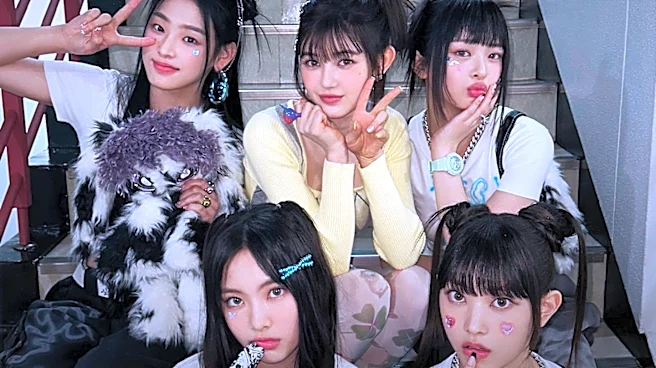
A growing number of Gen Z individuals are turning to the past for comfort and security, embracing vintage items and old-school technology. This trend includes a renewed interest in wired headphones, CDs, and digital cameras, as well as a resurgence in Y2K
fashion. The shift is partly driven by a desire to disconnect from the digital world, with many Gen Z adults expressing concerns about their generation's reliance on technology and the impact of social media on mental health. Engaging with nostalgic media is seen as a way to boost mood and reduce anxiety, according to psychologist Dr. Clay Routledge. This phenomenon raises questions about whether people can long for a time they never experienced.
Why It's Important?
The trend highlights a cultural shift among the most digitally advanced generation, suggesting a desire for simpler, more tangible experiences. This nostalgia-driven movement could influence consumer behavior, with potential impacts on industries such as fashion, technology, and entertainment. It also underscores the importance of addressing mental health concerns related to technology use. As Gen Z seeks to balance digital and analog experiences, businesses may need to adapt by offering products and services that cater to this duality. The trend also reflects broader societal questions about the role of technology in daily life and the value of human interaction.
What's Next?
As this trend continues, businesses and marketers may increasingly target Gen Z with products that blend modern functionality with vintage aesthetics. Educational and mental health institutions might also explore incorporating nostalgic elements into programs aimed at improving well-being. The ongoing dialogue about technology's impact on mental health could lead to new policies or initiatives designed to promote healthier digital habits. Additionally, the trend may inspire further research into the psychological benefits of nostalgia and its potential as a tool for enhancing mental health.
Beyond the Headlines
The Gen Z nostalgia trend raises deeper questions about cultural identity and the human need for connection. It suggests that despite technological advancements, there is an enduring desire for authenticity and simplicity. This could lead to a reevaluation of what it means to be 'modern' and how society values technological progress versus traditional experiences. The trend also highlights the potential for nostalgia to serve as a stabilizing force in times of rapid change, offering a sense of continuity and comfort.