
What's Happening?
Tesla, under the leadership of Elon Musk, is experiencing financial strain as it shifts focus from its core automotive business to AI and robotics. The company reported a miss in profit forecasts for the second
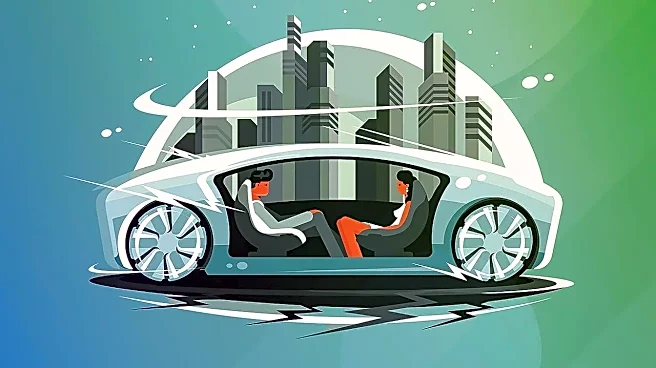
quarter, with negative free cash flow for the first time in over two years. Despite record vehicle deliveries, Tesla's profitability is under pressure due to lower average selling prices and reduced regulatory credit revenue. Musk plans to invest over $25 billion this year in AI-powered self-driving technology, robotaxis, and humanoid robots, which has heightened investor scrutiny.
Why It's Important?
Tesla's pivot towards AI and robotics represents a significant strategic shift that could redefine its business model. While these investments hold the potential for high-margin revenue streams, they also pose risks due to the substantial capital required. The company's ability to monetize these technologies will be crucial in maintaining its valuation and investor confidence. This transition highlights the broader industry trend of integrating AI into automotive and other sectors, which could lead to transformative changes in transportation and manufacturing.
What's Next?
Tesla's future success will depend on its ability to commercialize its AI and robotics technologies. The company is expanding its Full Self-Driving software and seeking regulatory approvals in various markets. Investor focus will remain on how quickly these investments can support Tesla's valuation. The outcome of these efforts could influence the broader adoption of AI in the automotive industry and beyond.