




What's Happening?
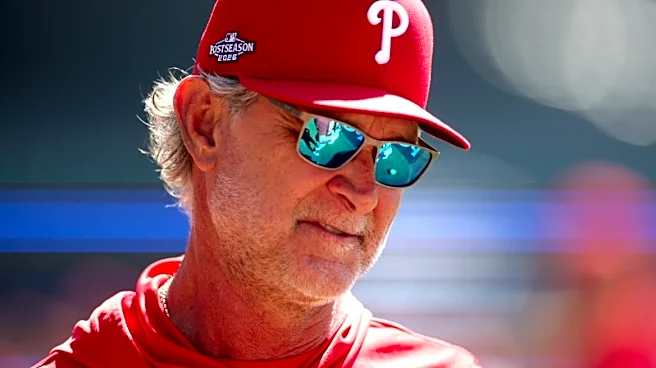
John Middleton, the controlling owner of the Philadelphia Phillies, is facing criticism from analyst Adam Smitty Smith for the team's recent playoff collapses and his perceived satisfaction with monetary gains over championship aspirations. Middleton, who
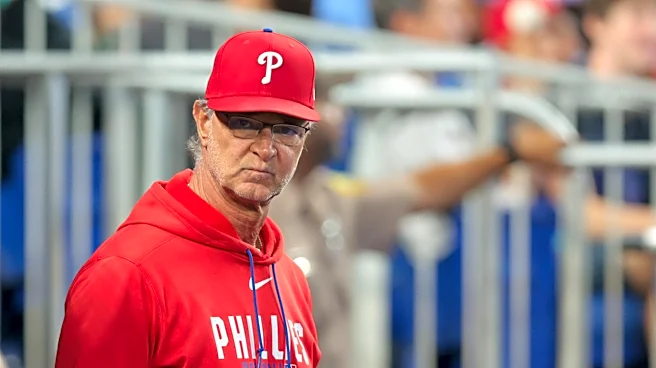
has been part of the Phillies ownership since 1994 and became controlling owner in 2014, hired Dave Dombrowski as president of baseball operations in 2020. While Dombrowski led the team to the World Series in 2022, the Phillies have since experienced a decline in postseason success, culminating in a Wild Card Round exit this year. Smith, speaking on 97.5 The Fanatic, argued that Middleton's actions do not align with his stated desire to win a championship, particularly by not holding Dombrowski accountable for the team's performance and roster construction. Despite the team's struggles, reports suggest Middleton remains a strong supporter of Dombrowski, with talks of a potential 'lifetime contract' for the executive.
Why It's Important?
This situation highlights a significant tension between financial success and championship pursuit in professional sports, particularly within Major League Baseball. For the Phillies, a franchise with a dedicated fanbase, the perceived complacency of ownership and management can lead to fan disillusionment and a decline in team morale. The analyst's critique suggests that prioritizing ticket sales and revenue over aggressive team building and accountability for on-field results could hinder the team's ability to secure a World Series title. This dynamic affects not only the team's performance but also its long-term brand value and fan engagement. The continued support for Dave Dombrowski, despite a series of playoff exits and questionable roster decisions, indicates a potential disconnect between the owner's vision and the expectations of the fanbase and critics, raising questions about the strategic direction of the organization.
What's Next?
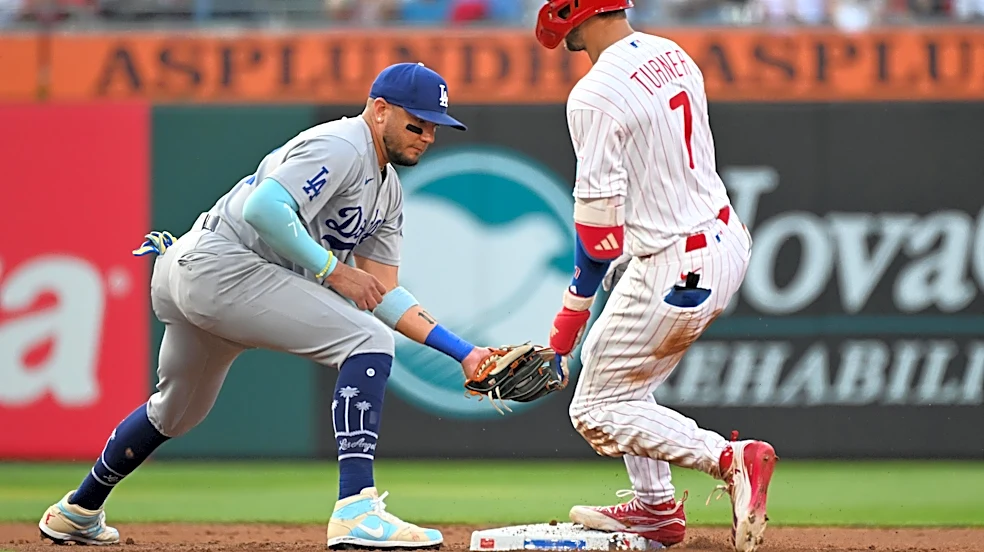
The immediate future for the Phillies will likely involve continued scrutiny of Dave Dombrowski's decisions and John Middleton's oversight. With reports of a potential 'lifetime contract' for Dombrowski, it appears unlikely that there will be a significant change in the team's leadership structure in the short term. This suggests that the current strategy of maintaining a veteran core, despite some players' declining performance and large contracts, will persist. Fans and analysts will be watching closely to see if any adjustments are made to the roster, particularly regarding players like Trea Turner, who has been identified as a defensive liability. The team's performance in upcoming seasons will be critical in determining whether Middleton's faith in Dombrowski is justified or if the pressure for accountability will eventually lead to a shift in leadership or strategy.
Beyond the Headlines
The ongoing situation with the Phillies reflects a broader trend in professional sports where the business aspect often intertwines with the competitive drive. The concept of an owner being 'satisfied with monetary gains' rather than solely focusing on championships raises ethical questions about the primary purpose of sports franchises. While profitability is essential for any business, the unique nature of sports often places a higher value on competitive success and fan satisfaction. This scenario could lead to a long-term erosion of fan trust if the team consistently underperforms despite high payrolls. It also underscores the power dynamics within sports organizations, where an owner's personal preferences can significantly influence strategic decisions, potentially overriding expert analysis or public sentiment. The debate over accountability and the balance between financial and athletic success will likely continue to be a central theme for the Phillies and other sports franchises.