



What's Happening?
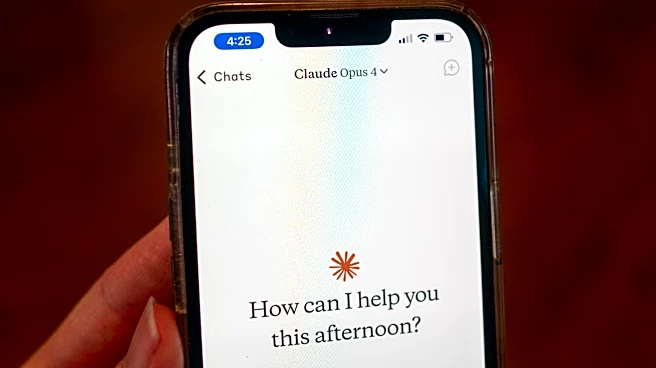
Anthropic has rolled out a new beta feature for its Claude AI, enabling users to create and install desktop applications on Mac and Windows. This functionality allows artifacts generated by Claude to be converted into standalone 'apps' with their own
icons and windows, operating independently of the main Claude interface. These applications, while appearing native, are essentially HTML-based apps wrapped in an Electron shim, managed by Claude's Chromium process. They require the main Claude application to be installed and logged in, as all actions performed by these 'apps' are handled by the core Claude process, including permissions like Full Disk Access. Users can share these created applications, and they automatically update if the underlying artifact is edited. This development signifies Anthropic's move towards allowing users to leverage Claude's coding capabilities to build custom desktop tools.
Why It's Important?
This new feature from Anthropic carries significant implications for the software development landscape and the broader tech ecosystem, particularly for platforms like Apple's App Store. By enabling users to generate functional desktop applications through AI prompts, Anthropic is effectively bypassing traditional app development cycles and distribution channels. This could democratize app creation, allowing individuals without coding expertise to develop custom tools for their specific needs. For Apple, this presents a potential challenge to its tightly controlled ecosystem, as users can now create and install applications outside the App Store and its notarization system. The reliance of these 'apps' on the main Claude application also creates a lock-in effect, tying users to Anthropic's platform for their custom tools. This shift could lead to a proliferation of AI-generated applications, potentially altering user expectations for software accessibility and functionality.
What's Next?
The beta release of this feature suggests Anthropic will likely gather user feedback to refine and expand its capabilities. Future developments could include enhanced integration with native operating system features, improved performance for the Electron-wrapped applications, and potentially a more streamlined sharing and distribution mechanism for user-created apps. It is also plausible that Anthropic will explore ways to extend this functionality to mobile platforms, such as iOS, which would further challenge existing app store models. Other major AI labs, like OpenAI with ChatGPT, are likely to observe this development closely and may introduce similar features, intensifying competition in the AI-powered application creation space. The long-term implications could involve a re-evaluation of app store policies and digital distribution strategies by platform holders.
Beyond the Headlines
The introduction of AI-generated desktop applications raises several deeper implications beyond immediate functionality. Ethically, it brings questions about the provenance and security of applications created by AI, especially concerning permissions like Full Disk Access. While Anthropic's system requires user permission and relies on the main Claude app for execution, the ease of creating potentially powerful tools could lead to unforeseen vulnerabilities or misuse. Culturally, this development could foster a new wave of 'citizen developers,' blurring the lines between consumers and creators of software. Legally, the bypassing of traditional app store review processes could lead to debates about intellectual property, content moderation, and platform responsibility for AI-generated software. This trend points towards a future where software development becomes increasingly accessible and automated, potentially leading to a significant shift in how digital tools are conceived, built, and distributed.