





What's Happening?
The Las Vegas Arts District, known as 18b, is at a pivotal moment as it grapples with growth, safety concerns, and the desire to maintain its independent character. Once a neglected area of warehouses and auto shops, the district has transformed into
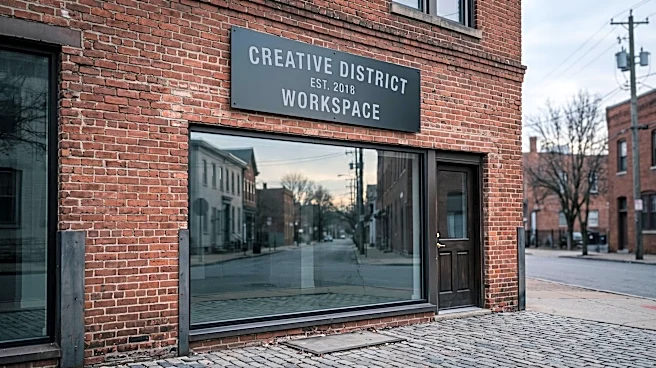
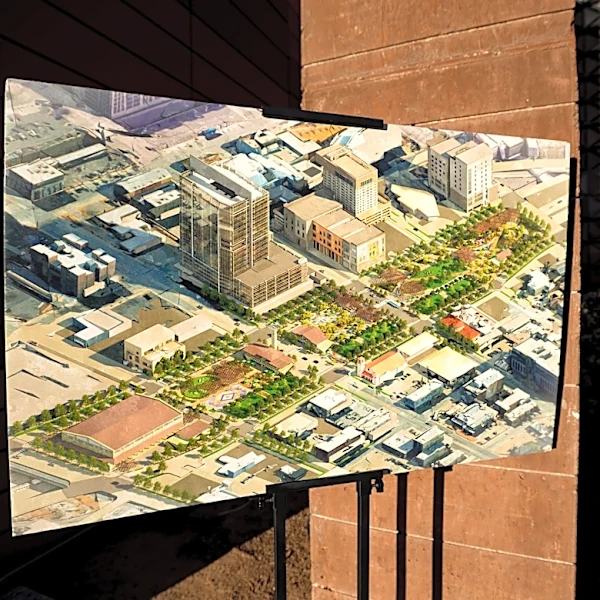
a vibrant hub for dining, art, shopping, and entertainment, offering a distinct alternative to the Las Vegas Strip. This transformation began in the early 1990s with the city's designation of an 18-block area for creative development, further boosted by the launch of the 'First Friday' arts festival in 2002, which attracted thousands of visitors. The influx of people and businesses, including antique dealers, boutiques, microbreweries, and cocktail bars, has solidified the district's identity. However, a recent tragic shooting during a 'First Friday' event has led to the festival's temporary suspension, prompting organizers and city officials to re-evaluate its future. Concurrently, a proposed Business Improvement District (BID) aimed at funding enhanced safety measures and neighborhood services has sparked debate among stakeholders regarding how to implement improvements without compromising the district's unique independent spirit.
Why It's Important?
The situation in the Las Vegas Arts District is important as it highlights the challenges faced by urban revitalization efforts in balancing growth with community preservation. The district's success in creating a local-centric alternative to the Strip demonstrates the economic and cultural value of fostering independent businesses and artistic communities. The debate surrounding the proposed Business Improvement District reflects broader tensions in urban development: how to fund necessary infrastructure and safety improvements without leading to gentrification or the erosion of the original character that attracted people to the area. For Las Vegas, maintaining the Arts District's unique appeal is crucial for diversifying its tourism offerings and providing authentic experiences beyond the traditional casino-resort model. The outcome of these discussions will set a precedent for how similar urban arts districts manage their evolution, impacting local businesses, artists, residents, and the overall cultural landscape of the city.
What's Next?
The immediate future for the Las Vegas Arts District involves critical decisions regarding the 'First Friday' festival and the proposed Business Improvement District. Organizers and city officials are currently deliberating on how to safely resume the monthly arts festival, which has been a significant driver of foot traffic and community engagement. This may involve implementing new security protocols or restructuring the event format. Concurrently, discussions around the BID will continue, with stakeholders needing to find common ground on funding mechanisms and service provisions that address safety and infrastructure needs while preserving the district's independent ethos. The Arts District board, local business owners, artists, and residents will likely engage in further dialogue to shape these initiatives. The decisions made in the coming months will determine the trajectory of the district, influencing its ability to attract visitors, support local enterprises, and maintain its distinct cultural identity amidst ongoing development pressures.
Beyond the Headlines
Beyond the immediate concerns of safety and funding, the situation in the Las Vegas Arts District touches upon deeper themes of urban identity and the commodification of culture. The district's struggle to remain 'indie' while thriving reflects a common challenge in successful urban revitalization: how to manage increased popularity and investment without losing the authentic, often grassroots, qualities that made it attractive in the first place. There's an inherent tension between the desire for growth and the preservation of a counter-cultural or alternative scene. The debate over the BID, for instance, highlights differing philosophies on how urban spaces should be managed and funded—whether through collective, community-led efforts or more formalized, business-driven structures. The district's evolution will serve as a case study for other cities grappling with similar issues, illustrating the delicate balance required to foster vibrant urban communities that are both safe and economically viable, yet retain their unique soul and appeal.