








What's Happening?
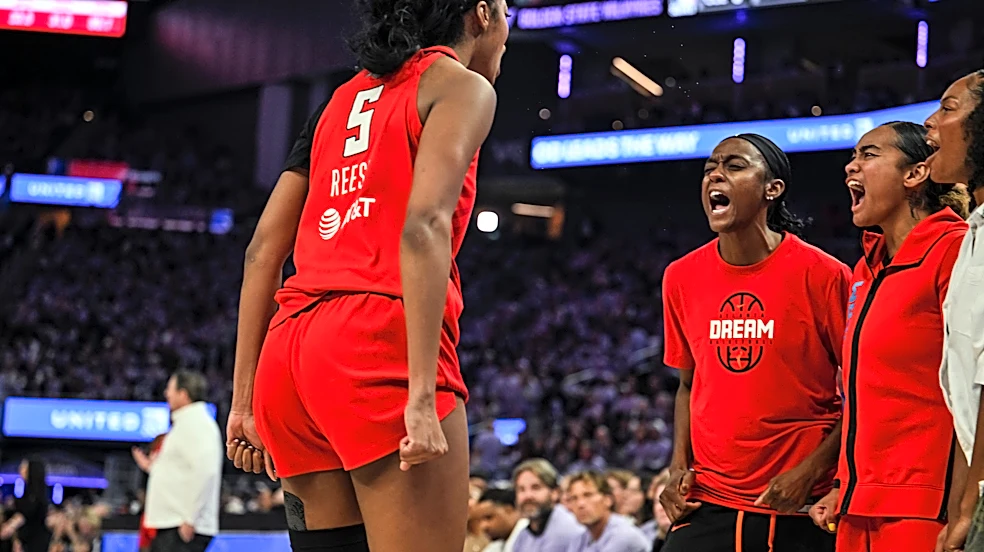
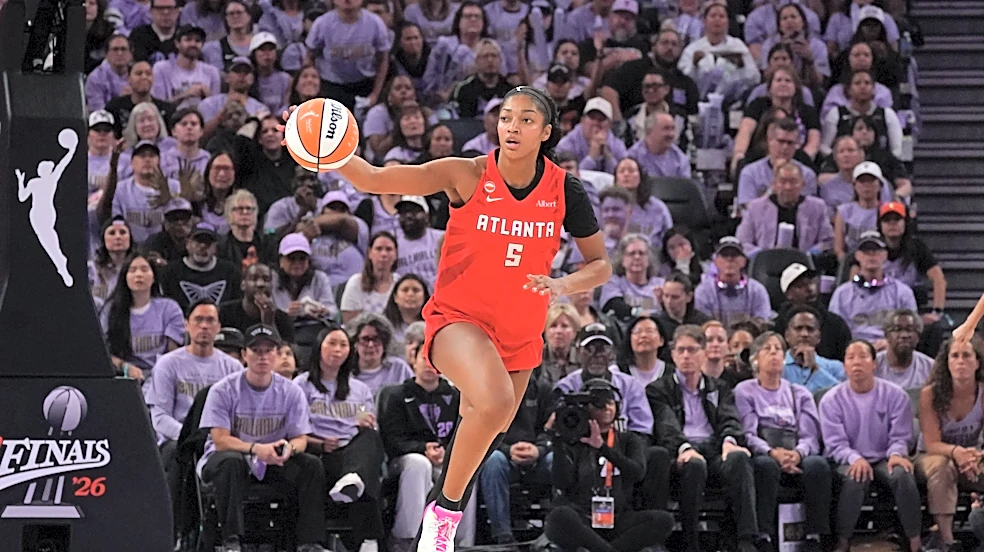
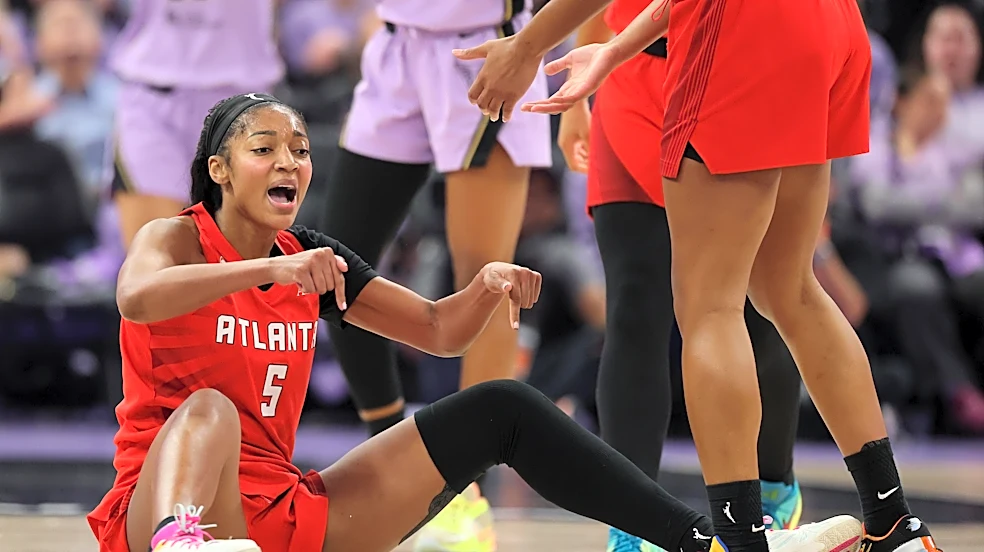
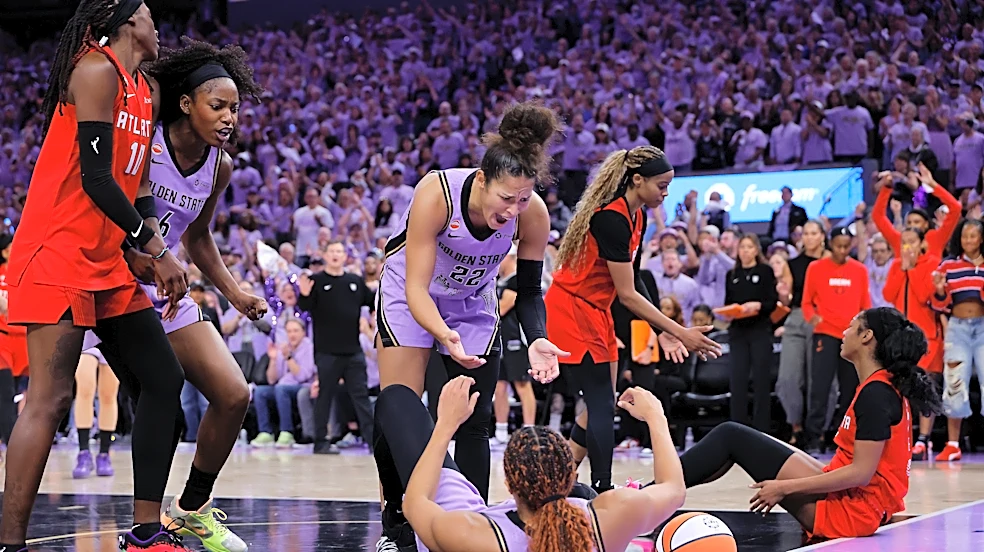
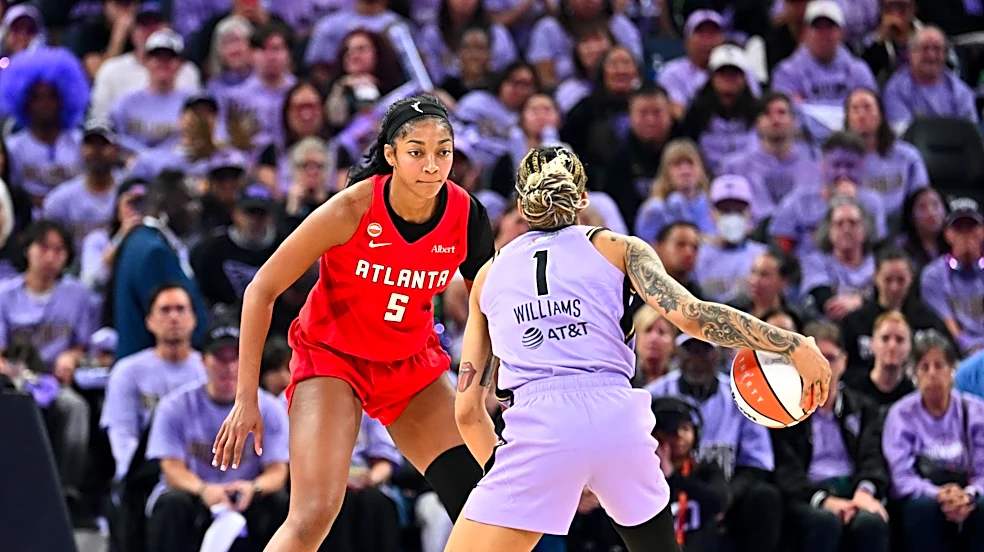
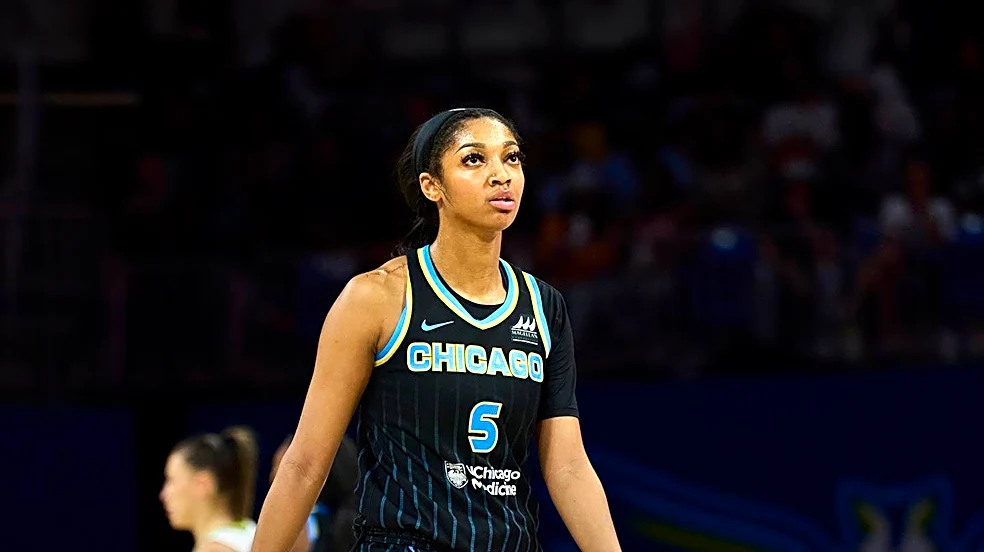
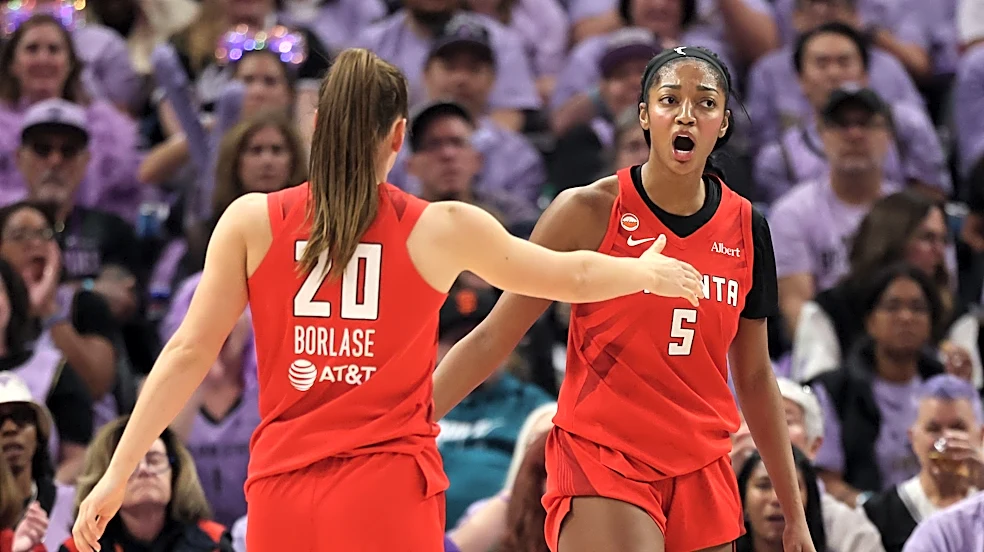
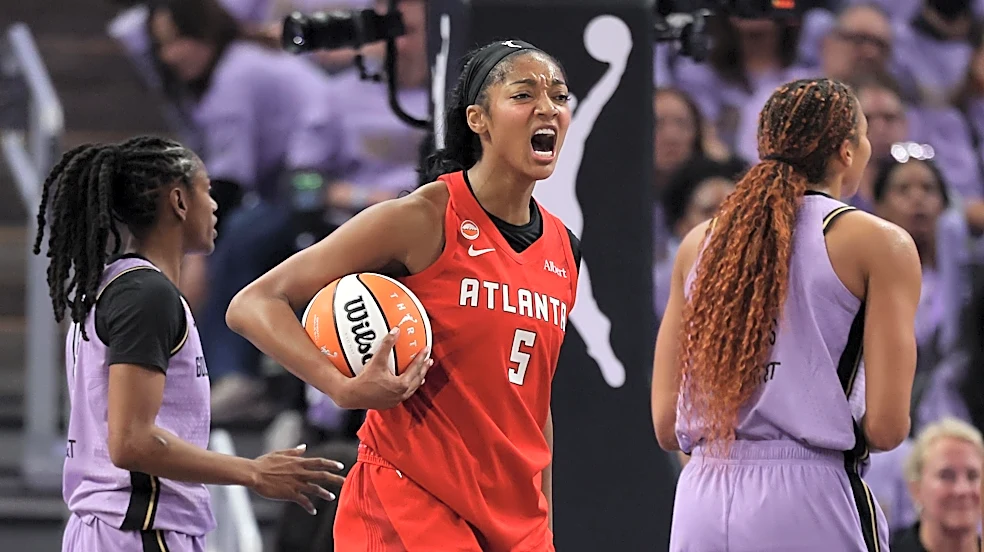
Angel Reese delivered a dominant performance in Game 2 of the WNBA Finals, scoring 30 points and grabbing 16 rebounds, to lead the Atlanta Dream to a 79-65 victory over the Golden State Valkyries. This win marks the first-ever WNBA Finals victory in the Atlanta Dream franchise's
history, breaking a previous 0-10 record in Finals games. Reese's exceptional play, which included 10-of-16 shooting from the field, three assists, and two blocks, helped the Dream even the best-of-seven series at 1-1. Her performance was particularly notable after a less assertive showing in Game 1, where she scored only three points in the second half. Other key contributors for the Dream included Allisha Gray with 18 points, Jordin Canada with 13 points and 10 assists, and Rhyne Howard, who set a Finals record with six steals despite continued offensive struggles. The Valkyries struggled with shooting, hitting only 34.4% from the field and committing 19 turnovers, which the Dream capitalized on for 24 points.
Why It's Important?
Angel Reese's historic performance in Game 2 of the WNBA Finals is significant for several reasons. For the Atlanta Dream, it represents a pivotal moment, securing their first-ever Finals win and demonstrating their potential to compete for a championship. This victory not only evens the series but also shifts momentum as the series heads to Atlanta for the next two games, which have been moved to the larger State Farm Arena to accommodate more fans. Reese's ability to deliver under pressure, especially after a challenging Game 1, highlights her growing influence as a star player in the league. Her statistical output—30 points and 16 rebounds—places her in elite company, as only two other players have achieved such numbers in a Finals game. This level of performance from a young player like Reese can attract new audiences and further elevate the profile of the WNBA, contributing to its increasing popularity and commercial viability. The Dream's success, fueled by Reese's assertiveness, could inspire other teams and players, showcasing the impact of strong individual performances within a cohesive team strategy.
What's Next?
The WNBA Finals series is now tied 1-1, with Game 3 scheduled to take place in Atlanta on Wednesday. The next two games will be hosted at the State Farm Arena, home of the NBA's Hawks, to accommodate a larger audience, a significant upgrade from the Dream's regular 3,500-seat venue. This move indicates the growing interest and demand for WNBA games, particularly during the Finals. The Atlanta Dream will aim to capitalize on their home-court advantage and the momentum gained from their historic Game 2 victory. The Golden State Valkyries will need to address their shooting inefficiencies and turnover issues, which plagued them in Game 2, to regain control of the series. Angel Reese's continued assertiveness and the Dream's defensive intensity will be crucial factors. The series is expected to remain highly competitive, with both teams vying for the championship title. The increased capacity at State Farm Arena suggests a heightened atmosphere, which could further impact player performance and fan engagement.
Beyond the Headlines
Angel Reese's commanding performance in Game 2 extends beyond mere statistics, highlighting deeper narratives within the WNBA and professional sports. Her ability to thrive under the intense scrutiny of a Finals series, especially after a less impactful Game 1, underscores her mental fortitude and competitive drive. This resilience is a testament to the evolving landscape of women's basketball, where players are increasingly expected to perform at elite levels while navigating significant media attention and fan expectations. Reese's outspoken nature and passionate play, which sometimes includes visible frustration, also challenge traditional perceptions of female athletes, showcasing a more authentic and emotionally expressive approach to the game. Her impact on the court, particularly in a high-stakes environment, contributes to the broader conversation about the value and excitement of women's sports, potentially inspiring a new generation of athletes and fans. The decision to move Finals games to a larger arena also reflects a growing recognition of the WNBA's market appeal and its capacity to draw substantial crowds, signaling a positive shift in the league's commercial and cultural standing.