






What's Happening?
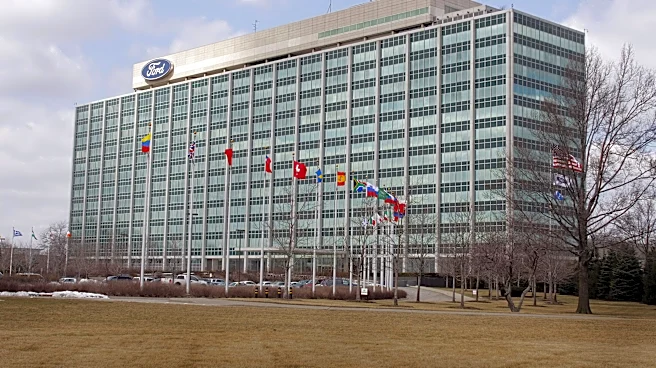
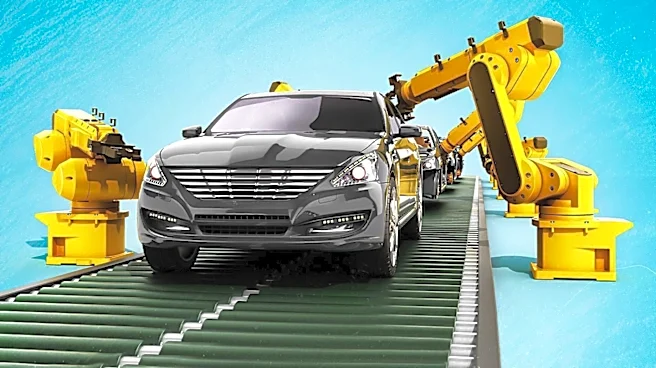
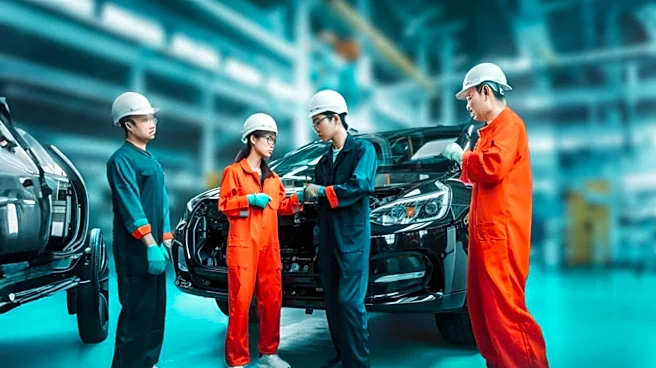
Ford Motor Company has rehired 350 veteran engineers, referred to as 'gray beard' engineers, over the past three years. This decision comes after the company's reliance on automated quality systems, including AI-powered cameras, failed to meet desired
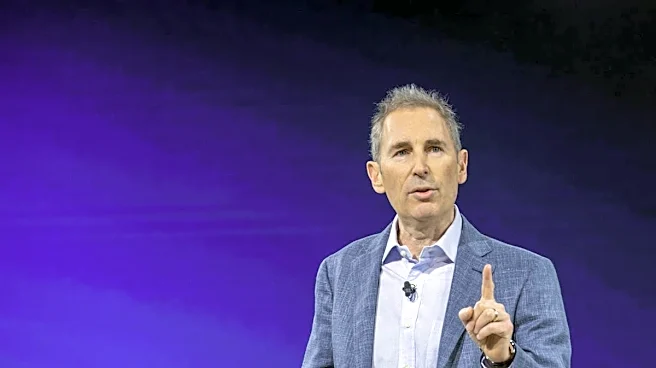
quality levels in design and manufacturing processes. Some of these engineers are former Ford employees, while others have been sourced from suppliers. Ford's Vice President of Vehicle Hardware Engineering, Charles Poon, emphasized that while artificial intelligence is a valuable tool, its effectiveness is contingent on the quality of the training data. The rehired engineers are tasked with identifying failure points before parts reach the production floor, addressing gaps in AI training data and improving overall quality control.
Why It's Important?
The rehiring of experienced engineers by Ford highlights the limitations of artificial intelligence in complex manufacturing environments. This move underscores the importance of human expertise in complementing AI systems, particularly in identifying and addressing rare failure modes that AI may not adequately capture. The decision reflects a broader industry trend where companies recognize the need for a balanced approach that leverages both technology and human insight. This development could influence other manufacturers to reassess their reliance on AI and consider integrating more human oversight to enhance quality assurance processes.
What's Next?
Ford's decision to rehire experienced engineers may prompt other companies to evaluate their own AI systems and quality control measures. As the automotive industry continues to integrate advanced technologies, there may be increased emphasis on developing robust training data and implementing hybrid systems that combine AI with human expertise. This approach could lead to improved product quality and reliability, potentially setting new standards for manufacturing practices across the industry.