




What's Happening?
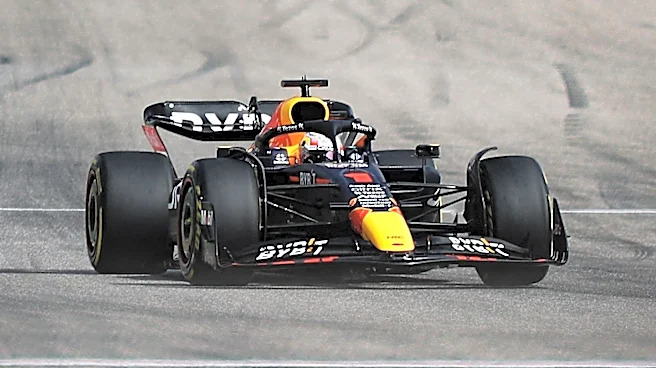
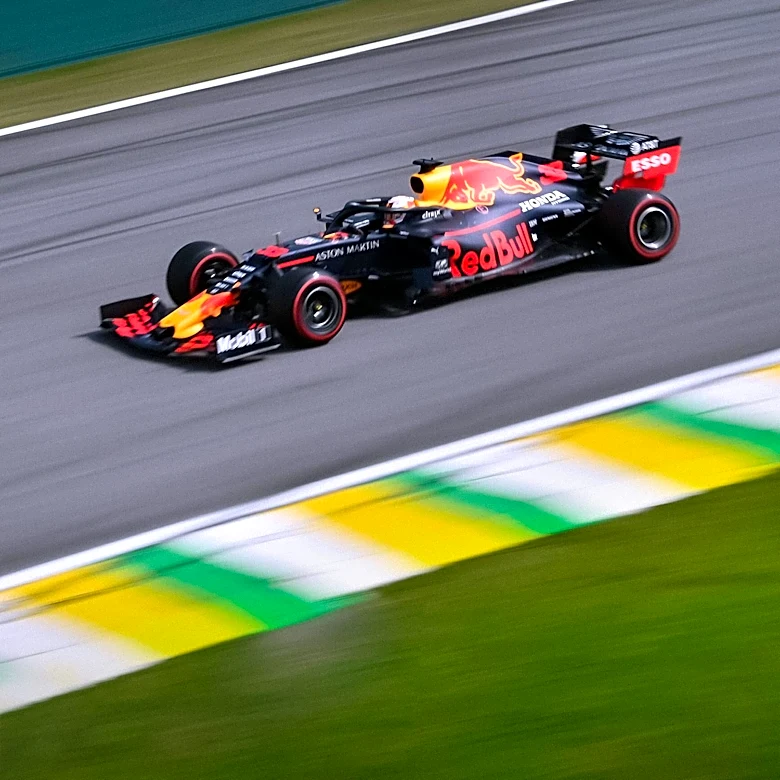
Craig Skinner, formerly the chief designer for Red Bull Racing, is set to join Cadillac as their Chief Development Engineer next week, despite earlier objections from Alpine. Skinner's move was initially announced a few weeks ago, but a potential conflict
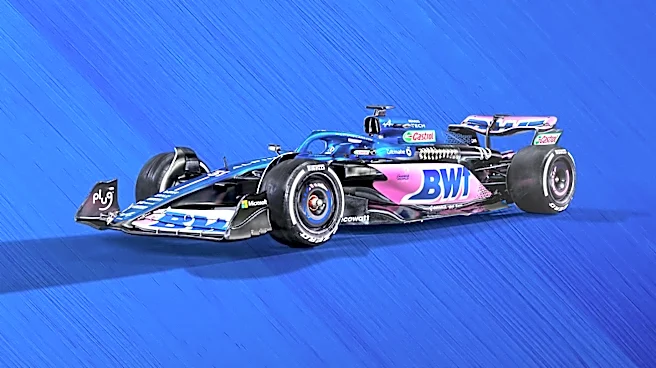
arose when it was revealed he had also signed a legally binding employment contract with Alpine. Alpine was reportedly unwilling to release Skinner without a dispute and sought to postpone his move to Cadillac. However, GPblog has confirmed that Skinner will commence his role at Cadillac on November 18, as originally anticipated by the American team. Cadillac aims to make significant progress in the 2027 season, and Skinner's expertise is expected to be crucial in developing their car. The timing of his arrival is considered opportune, as Cadillac is actively working on its 2027 vehicle, following a season marked by strong initial performance but later plagued by reliability issues, such as a heavy crash for Valtteri Bottas in Mexico and a faulty wheel nut preventing him from starting in Brazil.
Why It's Important?
The acquisition of a high-profile figure like Craig Skinner from a top-tier team like Red Bull Racing is a significant strategic move for Cadillac as they prepare for the 2027 Formula 1 season. Skinner's experience as a chief designer brings invaluable knowledge and expertise in car development, which could be instrumental in Cadillac's ambition to become a leading contender on the F1 grid. This move underscores the intense competition for talent within Formula 1, where engineering prowess is a critical determinant of success. For Cadillac, securing Skinner's services, despite the contractual dispute with Alpine, demonstrates their commitment to investing in top-tier personnel to accelerate their development. For Alpine, losing a key designer to a rival, especially after a contractual agreement, highlights the challenges of talent retention and the legal complexities involved in high-stakes personnel movements within the sport. The outcome of this personnel transfer could influence the competitive dynamics of F1 in the coming years, particularly as new teams like Cadillac strive to establish themselves against established powerhouses.
What's Next?
Craig Skinner will officially begin his role as Chief Development Engineer at Cadillac on November 18. His immediate focus will be on the development of Cadillac's 2027 car, with the team aiming for a substantial performance improvement. Cadillac will likely integrate Skinner's expertise into their design and engineering processes to address the reliability issues experienced in the current season and to optimize their vehicle for future regulations. The resolution of the contractual dispute with Alpine, allowing Skinner to join Cadillac, suggests that legal or negotiated agreements have been reached. This event may prompt other F1 teams to review their employment contracts and talent retention strategies to prevent similar situations. The performance of Cadillac's 2027 car will be a key indicator of the impact of this high-profile hire and the team's overall development trajectory.
Beyond the Headlines
This incident sheds light on the intricate and often contentious nature of talent acquisition in Formula 1, where intellectual property and human capital are fiercely protected assets. The dispute between Alpine and Cadillac over Skinner's contract highlights the legal and ethical considerations involved when key personnel move between rival organizations. Such movements can transfer not only individual expertise but also insights into competitors' strategies and technologies, making them highly sensitive. The resolution of this particular case, allowing Skinner to join Cadillac, suggests a precedent for how such disputes might be handled in the future, potentially influencing how teams structure their employment agreements and non-compete clauses. Beyond the immediate impact on car development, the successful recruitment of top talent like Skinner can also boost team morale and attract further skilled individuals, contributing to a virtuous cycle of growth and innovation for the acquiring team.