





What's Happening?
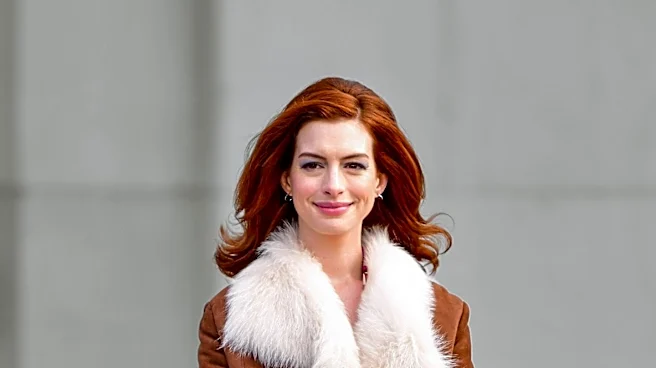
The sequel to 'The Devil Wears Prada,' titled 'The Devil Wears Prada 2,' was released in 2026, focusing on the evolving dynamics between print and digital media within the fashion journalism industry. The film revisits the iconic 'boss-as-Miranda' mythology
while highlighting the transition from print's traditional authority to the rapid pace and broad reach of digital platforms. The storyline follows Andy's journey as an editor, addressing themes such as the digitization of media, the balance between writer and consumer roles, and the industry's shift towards faster, platform-driven cycles. The movie underscores the cultural shift in fashion publishing practices, where editorial judgment must coexist with platform logic, emphasizing speed, visibility, and interpretation.
Why It's Important?
The release of 'The Devil Wears Prada 2' is significant as it reflects the broader changes occurring in the fashion journalism industry, where digital platforms are increasingly dominating over traditional print media. This shift impacts how authority, accuracy, and integrity are perceived and maintained in journalism. As more consumers turn to digital content, the industry is moving towards a predominantly digital model, affecting revenue streams and operational strategies. The film's portrayal of these changes highlights the challenges faced by writers in maintaining creative autonomy while meeting consumer demands for speed and engagement. This evolution in media consumption patterns has implications for how fashion journalism is produced and consumed, potentially reshaping industry standards and practices.
What's Next?
As the fashion journalism industry continues to adapt to digital trends, stakeholders may need to reassess their strategies to remain competitive. This could involve further investment in digital platforms, exploring new revenue models, and redefining editorial roles to align with consumer expectations. The industry's shift towards digital may also prompt discussions on maintaining journalistic integrity and authority in a fast-paced, platform-driven environment. As audiences increasingly favor interactive and immediate content, traditional print media may face further decline, necessitating innovative approaches to content delivery and audience engagement.
Beyond the Headlines
The film's exploration of the shift from print to digital in fashion journalism raises questions about the future of editorial work and the role of writers in a rapidly changing media landscape. The tension between maintaining authorial intent and meeting consumer demands for popular content highlights the challenges faced by journalists in preserving the integrity of their work. This evolution may lead to a reevaluation of what constitutes journalistic success, with a focus on balancing authenticity with audience engagement. The film also prompts reflection on the cultural and ethical implications of these changes, as the industry navigates the complexities of digital transformation.