





What's Happening?
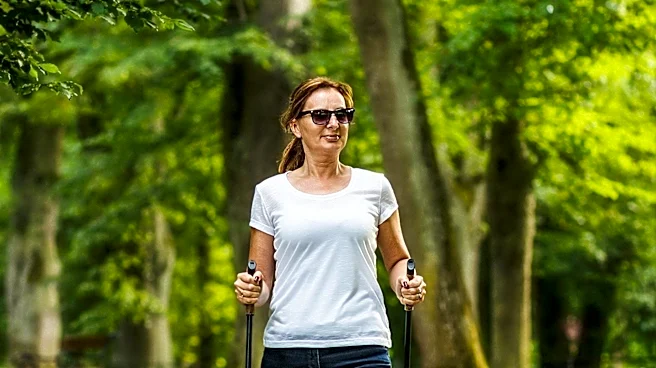
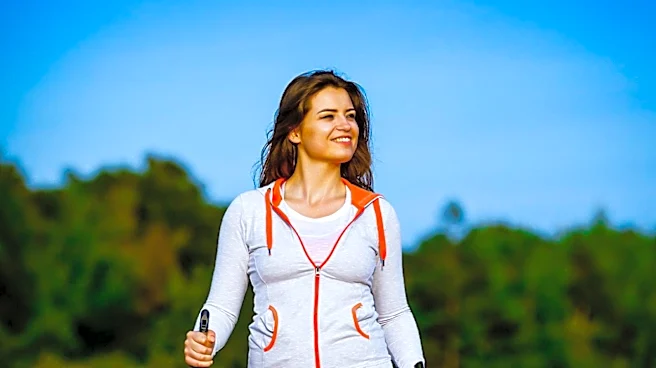
Nordic walking, a form of exercise originating from the Nordic countries, is gaining traction as a beneficial workout routine. This exercise involves the use of specially designed poles to engage the upper body, legs, and core, providing a full-body workout.
According to Heather Viola, DO, from Mount Sinai, Nordic walking reduces pressure on knees and joints, improves balance and stability, and enhances endurance. It is particularly beneficial for recreational walkers, older adults, and those recovering from injuries. Nicoline Roth, CEO of NRTHRN Strong, highlights that this low-impact exercise is accessible to people of all ages and fitness levels, encouraging more outdoor activity. However, proper technique is crucial, as incorrect use of the poles can lead to discomfort or reduced effectiveness.
Why It's Important?
The growing interest in Nordic walking reflects a broader trend towards accessible and holistic fitness routines that integrate physical activity into daily life. This exercise not only offers significant health benefits but also promotes outdoor activity, which can improve mental well-being. As a low-impact workout, it is suitable for a wide demographic, including older adults and those with joint issues, potentially reducing healthcare costs associated with sedentary lifestyles. The emphasis on outdoor exercise aligns with public health initiatives encouraging more active lifestyles to combat chronic diseases.
What's Next?
As Nordic walking continues to gain popularity, there may be increased demand for instructional resources and equipment, such as walking poles. Fitness centers and community programs might incorporate Nordic walking into their offerings, providing classes or workshops to teach proper techniques. Additionally, healthcare providers could recommend this form of exercise as part of rehabilitation programs or for patients seeking low-impact fitness options. The trend may also inspire further research into its long-term health benefits and potential applications in preventive healthcare.