


What's Happening?
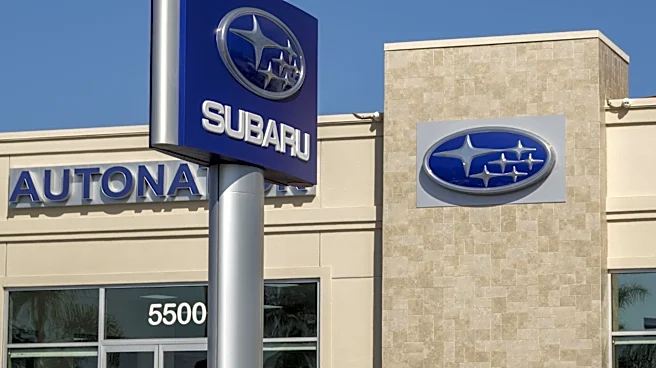
Subaru of America has appointed an AI and Intelligent Automation Manager to lead a multidisciplinary team focused on delivering Artificial Intelligence (AI), Generative AI, and Robotic Process Automation (RPA) strategies and solutions. This role is designed
to drive business value across the enterprise by identifying automation opportunities, improving business processes, and accelerating innovation through intelligent technologies. The manager will oversee a shared pool of resources, apply the 'Start, Stop, Continue Organizational Framework' to refine priorities, and ensure continuous improvement. Key responsibilities include evaluating emerging technologies, developing business cases, managing procurement and vendor activities, and overseeing the successful delivery of AI, machine learning, generative AI, and automation projects. The position also involves establishing governance, promoting best practices, managing budgets and project portfolios, and ensuring solutions are scalable, secure, and deliver measurable operational and business outcomes. The role is hybrid, based in Camden, New Jersey, and requires 15% domestic and international travel.
Why It's Important?
This strategic appointment by Subaru of America signifies a growing trend among major U.S. corporations to integrate advanced AI and automation into their core operations. By focusing on AI, Generative AI, and RPA, Subaru aims to enhance efficiency, reduce operational costs, and foster innovation, which can lead to a competitive advantage in the automotive sector. The emphasis on measurable business value and operational outcomes suggests a data-driven approach to technology adoption, ensuring that investments in AI yield tangible benefits. This move could influence other companies in the automotive industry and beyond to accelerate their own AI and automation initiatives, potentially reshaping job roles and skill requirements across various departments. The creation of such a leadership role underscores the critical importance of AI in modern business strategy, impacting how companies manage resources, interact with vendors, and deliver solutions to market.
What's Next?
The newly appointed AI and Intelligent Automation Manager at Subaru of America will be tasked with developing and executing the organization's AI and Intelligent Automation strategy, ensuring alignment with business objectives and technology standards. This will involve close collaboration with business partners and senior IT leaders to shape functional strategy and identify opportunities for driving business value. The team will continue to evaluate emerging technologies and develop business cases for key activities and projects. Future steps will likely include the implementation of new AI and automation solutions, ongoing monitoring of their performance, and continuous refinement based on operational feedback. The role's focus on governance and best practices suggests a structured approach to AI adoption, which could serve as a model for other companies embarking on similar digital transformation journeys. The success of these initiatives could lead to further expansion of AI and automation efforts within Subaru and potentially influence industry-wide adoption.
Beyond the Headlines
The establishment of a dedicated AI and Intelligent Automation Manager role at Subaru of America highlights a broader shift in corporate strategy towards leveraging advanced technologies for competitive advantage. This move reflects not only a technological evolution but also a cultural one, as organizations adapt to integrate AI into their operational fabric. The focus on 'Start, Stop, Continue' framework indicates a commitment to agile methodologies and continuous improvement, which are crucial for navigating the rapidly evolving AI landscape. Furthermore, the emphasis on security and scalability in AI solutions points to the increasing awareness of the ethical and practical challenges associated with AI deployment. This development could also signal a growing demand for specialized AI and automation talent in the U.S. job market, influencing educational programs and professional development initiatives to meet these emerging needs. The integration of AI into core business functions like procurement and vendor management suggests a comprehensive approach to digital transformation, impacting the entire value chain.