






What's Happening?
The U.S. Treasury yields are expected to fluctuate based on upcoming economic indicators and Federal Reserve policy decisions. A solid GDP report could push yields higher, especially if it shows strong domestic demand and persistent inflation. Conversely,
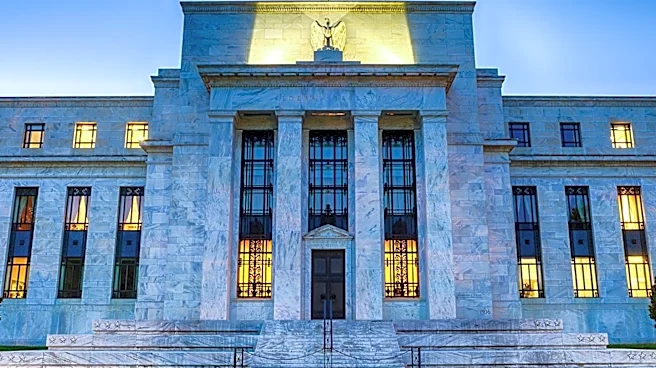
weaker growth might lead to lower yields as investors anticipate future policy easing. The Federal Reserve's focus will be on the composition of growth, particularly consumer spending and business investment, to determine the future policy path. The Fed's guidance will significantly impact Treasury yields, with hawkish statements likely pushing yields higher and dovish messages pulling them lower.
Why It's Important?
The movement of Treasury yields is crucial as it affects borrowing costs for consumers and businesses, influencing mortgage and auto loan rates. Higher yields can signal stronger economic growth and inflation expectations, impacting investment decisions and financial markets. The Federal Reserve's policy stance will play a pivotal role in shaping these expectations, affecting the broader economy. Investors and policymakers will closely monitor economic indicators like GDP and consumer spending to gauge the health of the economy and adjust their strategies accordingly.
What's Next?
Upcoming economic reports, including durable goods orders and consumer confidence indices, will provide further insights into the economic outlook. The Federal Reserve's interest rate decision and policy statement will be key events, with markets focusing on any changes in guidance regarding inflation and economic conditions. These developments will influence Treasury yields and investor sentiment, shaping the economic landscape in the coming months.