




What's Happening?
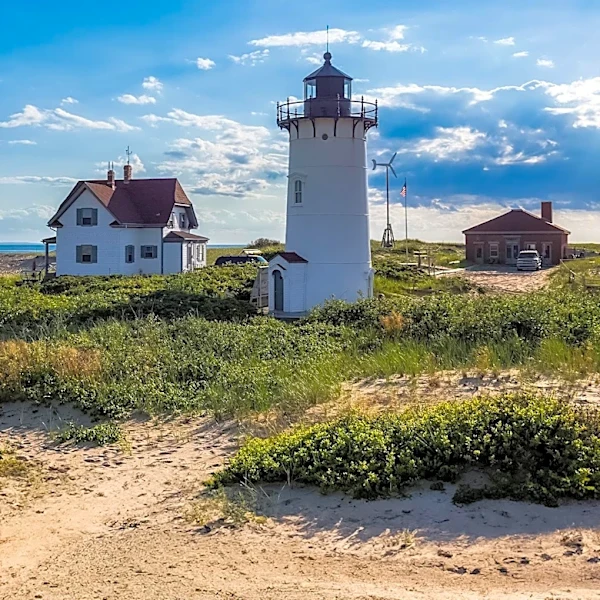
Nantucket locals are expressing frustration over the increasing presence of influencers on the island, which has become a popular destination for social media marketing campaigns. The island's summer population has surged, with estimates suggesting it could
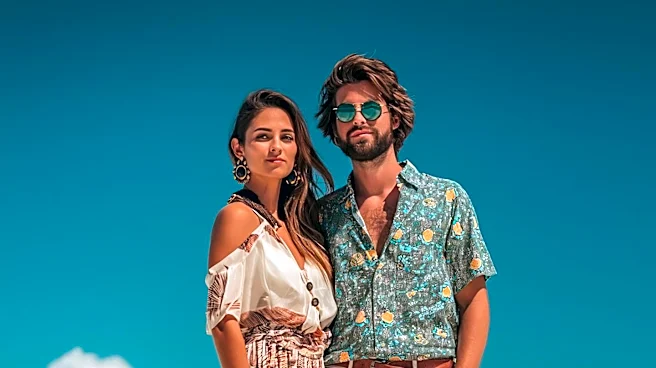
reach 80,000 by 2026. Some residents feel that influencers treat Nantucket as a backdrop for social media content rather than appreciating it as a real community. This sentiment is exemplified by John Sylvia, a local shop owner, who hung a 'No Influencers' sign in his store to discourage disruptive behavior. While some influencers are seen as promoting local businesses positively, others are criticized for contributing to overcrowding and not respecting the island's unique charm.
Why It's Important?
The situation in Nantucket highlights the broader impact of social media on tourism and local communities. As destinations become popularized through influencer marketing, they can experience significant increases in visitor numbers, which can strain local resources and alter the character of the community. This trend raises questions about the balance between promoting tourism and preserving the cultural and social fabric of destinations. The response from Nantucket locals reflects a growing awareness of the need to manage tourism sustainably and ensure that visitors respect the places they visit. It also underscores the influence of social media in shaping travel trends and consumer behavior.
What's Next?
Nantucket's local government has approved funding for a study to quantify the number of visitors and assess the impact of increased tourism. This data could inform future policies aimed at managing tourism sustainably and addressing residents' concerns. There may also be discussions around implementing measures to encourage respectful tourism, such as educational campaigns or regulations on influencer activities. As the debate continues, other destinations facing similar challenges may look to Nantucket as a case study for balancing tourism promotion with community preservation. The outcome could influence how destinations worldwide approach the integration of social media into their tourism strategies.