



What's Happening?
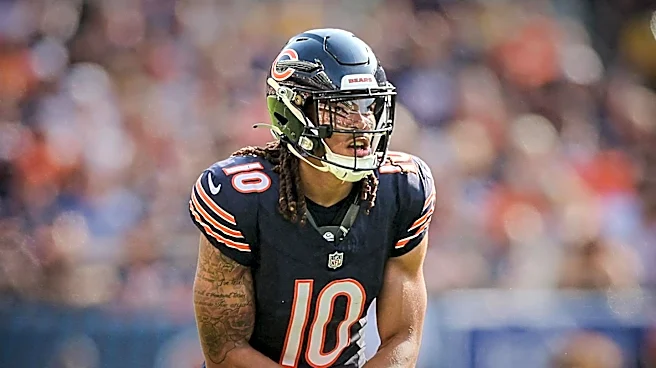
Despite public statements from Chicago Bears President Kevin Warren suggesting the team's 'sole focus' is on building a new stadium in Northwest Indiana, team officials have continued to engage with Illinois state leaders. Emails obtained by Capitol News
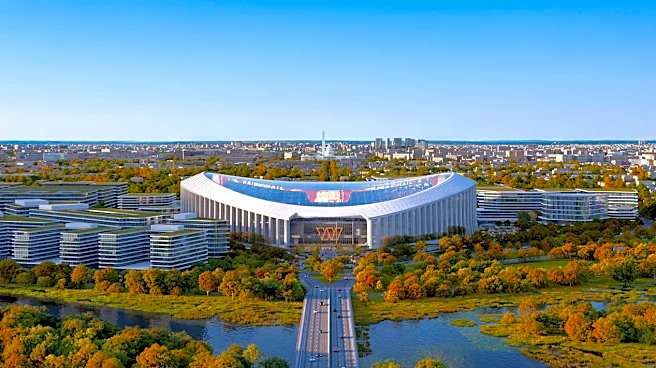
Illinois reveal that Karen Murphy, the Bears’ executive vice president of stadium development and chief operating officer, met with Deputy Governor Andy Manar, who oversees Illinois' budget and economic development, in August. Bears minority owner and board member Pat Ryan also joined at least one of these meetings. While Illinois officials have consistently ruled out public funding for direct stadium construction, the state is expected to contribute hundreds of millions of dollars for surrounding public infrastructure. These meetings occurred shortly after Warren's comments downplaying engagement with Illinois and after the NFL Commissioner Roger Goodell confirmed the team was still considering its 326-acre site in Arlington Heights.
Why It's Important?
The ongoing discussions between Chicago Bears officials and Illinois state leaders, despite the team's public pivot towards Indiana, are significant for several reasons. For Illinois, retaining the Bears would preserve a major economic engine, a significant source of state pride, and substantial tax revenue. The state's willingness to fund infrastructure around a potential stadium, even without directly financing the stadium itself, indicates a strong desire to keep the team within Illinois. For the Bears, maintaining dialogue with Illinois provides leverage in negotiations with Indiana, potentially securing a more favorable deal from either state. The involvement of high-profile figures like Pat Ryan, a billionaire with a history of funding stadium projects, underscores the financial magnitude and strategic importance of these negotiations. This situation highlights the intense competition between states to attract and retain major sports franchises, recognizing their substantial economic and cultural impact.
What's Next?
The immediate future will likely involve continued, albeit potentially discreet, negotiations between the Chicago Bears and both Illinois and Indiana officials. Governor Pritzker has stated that the onus is on the team to propose legislative language that can pass both Illinois legislative chambers, suggesting that the ball is in the Bears' court to present a viable plan for an Illinois stadium. The team's continued retention of three lobbying firms in Springfield, compared to just one in Indiana, indicates that Illinois remains a serious consideration. The outcome will depend on the financial incentives offered by each state, the Bears' long-term strategic vision, and the political will to pass necessary legislation. A decision on the stadium's location is expected to have significant implications for regional development, local economies, and the future of the NFL franchise.
Beyond the Headlines
Beyond the immediate stadium negotiations, this situation reflects a broader trend of professional sports franchises leveraging interstate competition to secure lucrative public subsidies. The Bears' strategy of publicly favoring one state while privately engaging with another exemplifies the complex interplay between sports, business, and politics. This dynamic raises ethical questions about the appropriate use of taxpayer money for private enterprises, especially when public funds are diverted from other critical services. The potential for over a billion dollars in public subsidies, as offered by Indiana, highlights the perceived value of these franchises as economic drivers and cultural symbols. This case also underscores the power of wealthy team owners and their ability to influence legislative processes through lobbying efforts, shaping regional development and public spending priorities. The ultimate decision will not only determine the Bears' home but also set a precedent for how states compete for and finance major sports infrastructure projects.