





What's Happening?
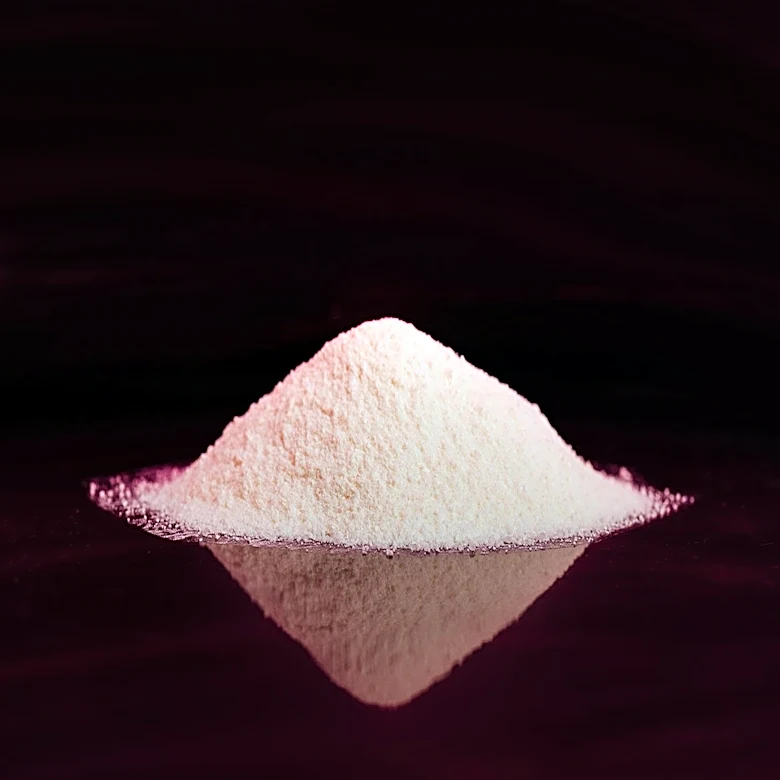
A dietitian emphasizes the significant health benefits of psyllium fiber, extending beyond its well-known role in promoting regular bowel movements. Psyllium, derived from the husk of Plantago ovata seeds, is a soluble, gel-forming fiber with high viscosity.
This unique property allows it to absorb water and form a thick gel as it moves through the digestive tract, influencing various bodily functions. Research indicates that psyllium can help normalize stool consistency, making it effective for both constipation and diarrhea. It is the only fiber recommended by the American College of Gastroenterology for individuals with irritable bowel syndrome (IBS). Beyond gut health, clinical studies link psyllium intake to reductions in LDL ('bad') cholesterol and total cholesterol without affecting HDL ('good') cholesterol. It achieves this by trapping bile acids, prompting the liver to use blood cholesterol to produce more. Furthermore, psyllium's gel-forming action slows glucose absorption in the small intestine, potentially blunting blood sugar spikes, particularly beneficial for those with type 2 diabetes or at risk.
Why It's Important?
The dietitian's insights underscore the multifaceted importance of psyllium fiber as a readily available and affordable supplement with broad health implications for the U.S. population. Its ability to address both constipation and diarrhea offers a natural, non-pharmacological option for millions suffering from digestive irregularities, including those with IBS, potentially reducing reliance on over-the-counter medications. The impact on cholesterol levels is significant for public health, as cardiovascular diseases remain a leading cause of mortality in the U.S. By helping to lower LDL cholesterol, psyllium could play a supportive role in heart-healthy routines, complementing prescribed medications and lifestyle changes. Additionally, its potential to manage blood sugar spikes is crucial in the context of rising rates of type 2 diabetes, offering a dietary tool to help individuals maintain more stable glucose levels. The discussion also touches on weight management and satiety, suggesting that psyllium could aid in combating obesity by promoting feelings of fullness, thereby supporting healthier eating habits and potentially reducing healthcare costs associated with weight-related conditions.
What's Next?
Individuals considering psyllium fiber are advised to consult their healthcare team, especially if managing blood sugar or existing bowel issues. The dietitian recommends starting with a small dose and gradually increasing it over one to two weeks to allow the gut to adjust, minimizing common side effects like bloating or gas. Crucially, consistent daily use and adequate water intake are emphasized, as psyllium requires sufficient fluid to form its gel safely and effectively, preventing potential blockages. For optimal benefits related to blood sugar and appetite control, timing psyllium intake around meals is suggested. While psyllium can be mixed with water, blended into smoothies, or incorporated into recipes, prompt consumption before it fully thickens is important. The long-term benefits are observed with regular use over weeks and months, rather than occasional consumption, highlighting the need for sustained integration into one's routine.
Beyond the Headlines
The dietitian's perspective on psyllium fiber highlights a broader shift towards integrating evidence-based dietary supplements into holistic health management, moving beyond a sole reliance on pharmaceuticals. This approach empowers individuals to take a more active role in their well-being through accessible and natural means. The emphasis on psyllium's dual action for both constipation and diarrhea challenges conventional thinking about fiber, which is often narrowly associated with one or the other. This flexibility makes it a valuable tool for complex conditions like IBS, where symptoms can fluctuate. Furthermore, the discussion implicitly touches upon the ethical considerations of supplement marketing, as the dietitian carefully distinguishes psyllium's scientifically backed benefits from often unsubstantiated claims made about other supplements. By advocating for informed choices and emphasizing the importance of professional guidance, the article promotes a responsible approach to dietary supplementation, encouraging consumers to prioritize products with robust scientific support and to integrate them thoughtfully into a balanced diet and lifestyle.