







What's Happening?
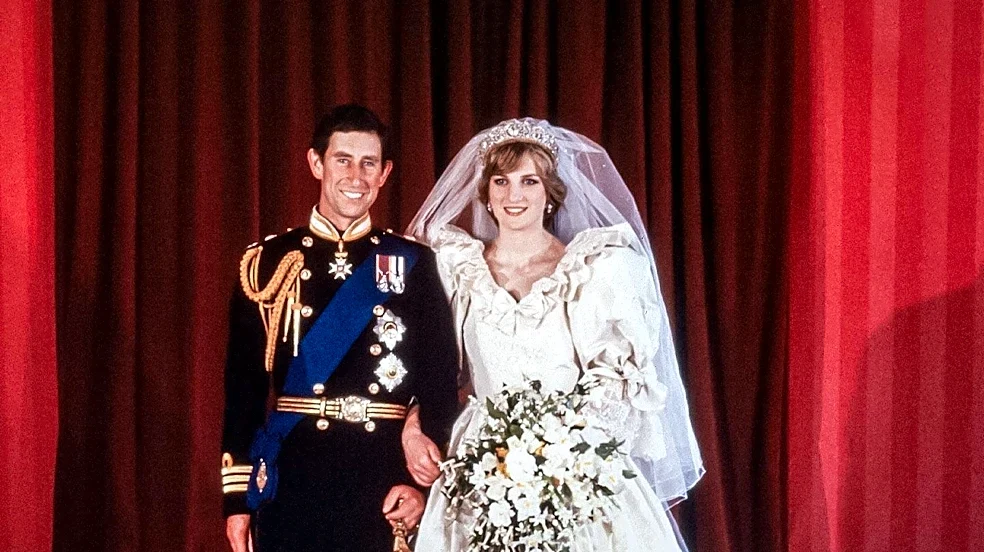
Princess Diana's honeymoon with then-Prince Charles in 1981 was marked by significant marital difficulties, according to royal author Penny Junor. Despite Diana initially describing the 12-day cruise on the Royal Yacht Britannia as a "tremendous success"
in a letter, she later revealed the underlying turmoil. Junor's biography, 'The Duchess on Camilla Parker Bowles,' details how Charles brought novels and art supplies, including books by Laurens van der Post, hoping to share these interests with Diana. However, Diana, who reportedly suffered from dyslexia and found reading challenging, resented his focus on these activities. The situation escalated into "many blazing rows," with Diana reportedly destroying Charles's painting and art materials. A major point of contention was Charles's continued connection to Camilla Parker Bowles, evidenced by cufflinks with entwined 'C's and a bracelet he intended to give Camilla, which Diana discovered. These incidents underscored the early struggles and jealousy within their marriage, which ultimately led to their separation in 1992 and divorce in 1996.
Why It's Important?
The revelations about Princess Diana's honeymoon provide crucial insight into the foundational issues that plagued her marriage to Prince Charles. This early marital strife, exacerbated by Charles's lingering connection to Camilla Parker Bowles, set a precedent for the public and private challenges the couple would face. For the U.S. audience, who closely followed the royal family, these details offer a deeper understanding of the personal struggles behind the public facade of a fairytale wedding. The narrative of Diana's isolation and jealousy resonates with broader themes of relationship dynamics and the pressures of public life. It highlights how personal relationships within the monarchy can have significant public impact, shaping perceptions of the individuals involved and the institution itself. The story also underscores the human element of royal life, revealing vulnerabilities and conflicts that often remain hidden from public view.
What's Next?
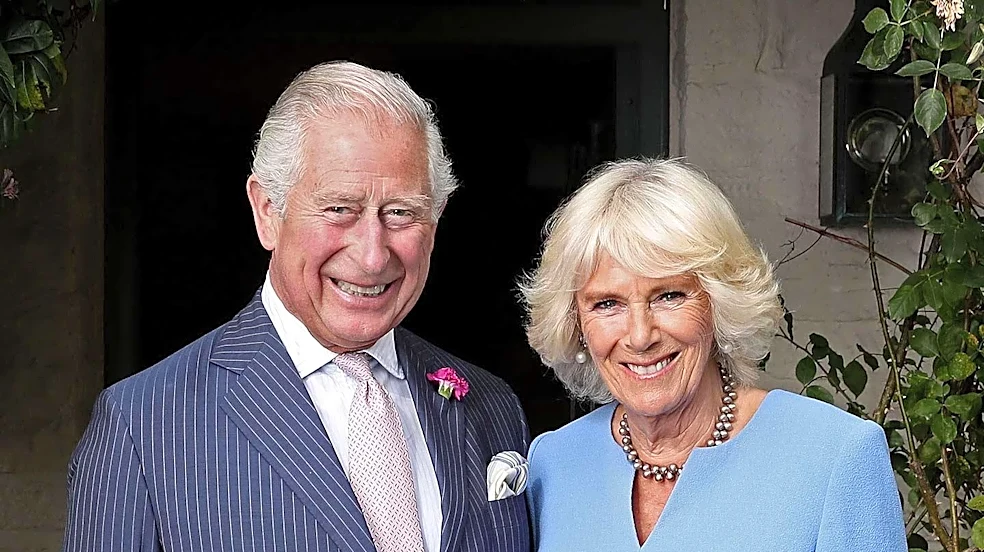
While the events described are historical, their continued discussion impacts the ongoing narrative surrounding the British royal family. The legacy of Princess Diana and her experiences continues to influence public perception of King Charles III and Queen Camilla. Future biographies, documentaries, and media portrayals of the royal family will likely revisit these early marital struggles, offering new interpretations or reinforcing existing narratives. The public's understanding of the current King and Queen Consort is inevitably shaped by their past, particularly their relationship with Diana. This historical context will continue to inform discussions about the monarchy's evolution and the personal lives of its members, especially as new generations engage with royal history.
Beyond the Headlines
The story of Diana's honeymoon extends beyond a mere recounting of marital discord; it delves into the psychological and emotional toll of public life and the complexities of personal relationships under intense scrutiny. Diana's reported dyslexia and her feelings of inadequacy in intellectual pursuits, contrasted with Charles's interests, highlight the personal vulnerabilities that can be magnified in a royal context. The presence of Camilla Parker Bowles, even indirectly, from the very beginning of the marriage, raises ethical questions about fidelity and the emotional boundaries within relationships. This narrative serves as a powerful case study on the intersection of personal happiness, public duty, and the immense pressure placed upon individuals within high-profile institutions. It also touches upon the cultural fascination with royal romances and their often-tragic outcomes, reflecting universal themes of love, betrayal, and the search for personal fulfillment.