




What's Happening?
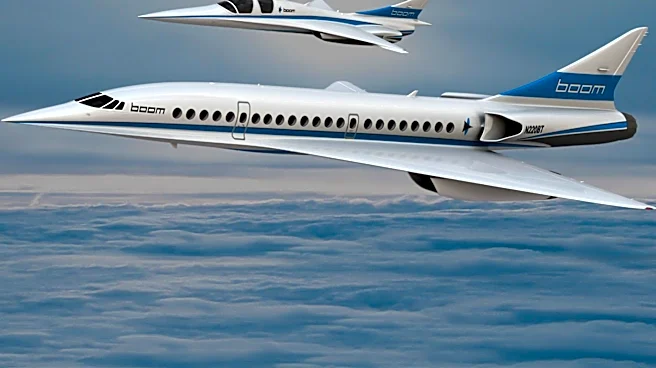
United Airlines CEO Scott Kirby has voiced doubts regarding Boom Supersonic's ability to deliver its Overture supersonic aircraft by the previously stated target of 2029. In an interview on the 'Office Hours: Business Edition' podcast, Kirby, despite
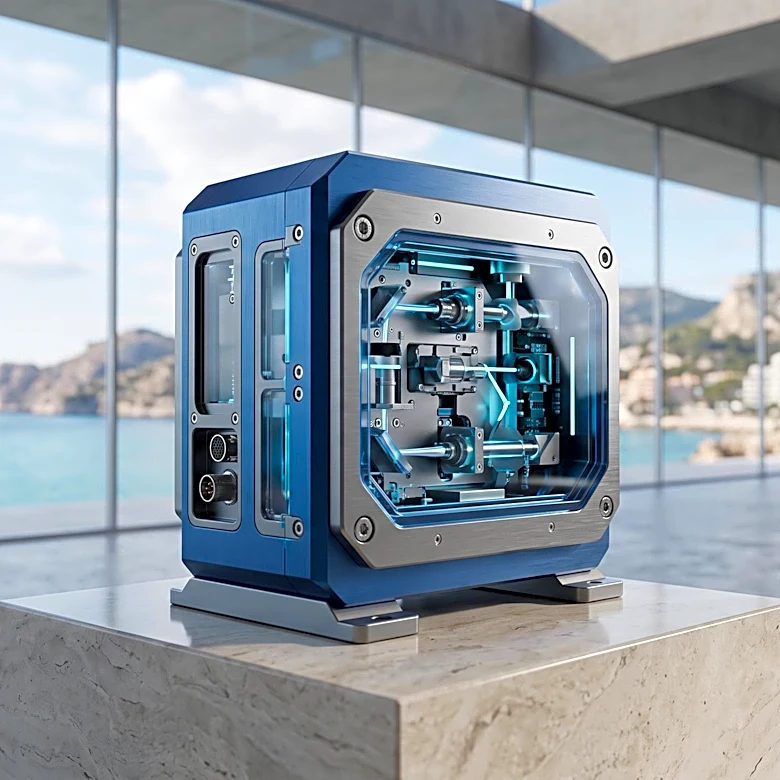
expressing admiration for Boom Supersonic CEO Blake Scholl, stated, "It's not going to happen in '29. It's going to take longer." United Airlines is one of Boom's launch customers, holding conditional orders for the Overture jet. Kirby acknowledged Scholl's engineering prowess and ability to pivot, noting Boom's current work on turbines for data centers. Boom plans to manufacture the Overture at a plant in Greensboro, N.C. The aviation community remains divided on the Overture's future, with some experts questioning its feasibility.
Why It's Important?
Scott Kirby's public skepticism about the 2029 delivery of Boom Supersonic's Overture jet carries significant weight, given United Airlines' status as a launch customer. This statement could temper expectations within the aviation industry and among investors regarding the timeline for the reintroduction of supersonic commercial travel. Delays in such high-profile projects can impact investor confidence, future funding, and the overall market perception of new aviation technologies. For United, a delayed Overture means a longer wait for a potential competitive advantage in ultra-fast travel, which could influence its long-term fleet planning and route strategies. The challenges highlighted by Kirby, including certification hurdles, underscore the immense technical and regulatory complexities involved in bringing a new supersonic aircraft to market.
What's Next?
Following Scott Kirby's comments, Boom Supersonic will likely face increased scrutiny regarding its development timeline and progress towards the Overture's certification and production. While Boom has not publicly responded to Kirby's specific remarks, the company will need to continue demonstrating tangible progress to reassure investors and airline partners. The focus will remain on the manufacturing process at its Greensboro, N.C., plant and the rigorous certification process required for a new aircraft type. The aviation industry will closely watch for updates on the Overture's development, particularly any revised timelines or significant milestones achieved. The success or delay of the Overture project could influence future investments in supersonic travel and the broader landscape of commercial aviation innovation.
Beyond the Headlines
Scott Kirby's candid assessment of the Boom Supersonic Overture's timeline reflects a pragmatic view often held by airline executives who must balance ambitious technological advancements with operational realities and financial viability. His comments highlight the inherent risks and complexities in developing groundbreaking aviation technology, where technical hurdles, regulatory approvals, and market dynamics can significantly impact project timelines. The pivot by Boom to develop turbines for data centers, as mentioned by Kirby, also suggests the need for aerospace companies to diversify their technological applications, especially when core projects face extended development cycles. This situation underscores the broader challenge of innovation in capital-intensive industries, where even with significant investment and engineering talent, bringing revolutionary products to market often takes longer than initially projected.