






What's Happening?
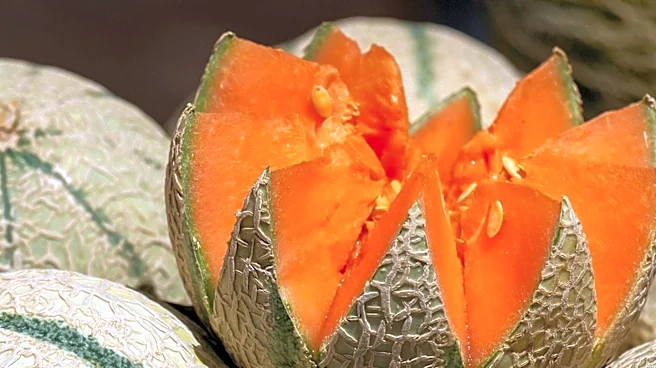
Bonny melons, a rare F1 hybrid cultivar belonging to the Cucurbitaceae family, are available from summer through early fall. These small to medium-sized melons, averaging 10 to 12 centimeters in diameter and 2 to 3 pounds, are characterized by an oblate
to round shape. Their rind is firm, thin, and rough, featuring a tan, raised netting with broken, dark green vertical stripes over a smooth, yellow-green base. The flesh, ranging from pale orange to ivory, is dense, aqueous, and semi-crisp, with a faint green ring just below the rind. Bonny melons possess a moderate sugar content (14 to 15 Brix), contributing to their initially sweet flavor, followed by a subtly sour and tangy aftertaste. Developed in Taiwan by Known-You Seed Co., these melons are not commercially produced on a large scale and are primarily grown by select farms in Asia and the United States, including Weiser Family Farms in Tehachapi, California.
Why It's Important?
The limited availability and unique flavor profile of Bonny melons make them a specialty item in the produce market, catering to consumers seeking novel and distinct culinary experiences. Their F1 hybrid nature highlights advancements in agricultural science, demonstrating how specific breeding techniques can create varieties with improved characteristics, such as uniform growth and unique taste. For the agricultural sector, the cultivation of rare cultivars like Bonny melons, even on a small scale, contributes to biodiversity and offers niche market opportunities for specialized farms. The presence of these melons in the U.S., despite their Taiwanese origin, underscores the globalized nature of agriculture and the increasing demand for diverse food products. This also provides an opportunity for chefs and home cooks to experiment with new flavors in both sweet and savory dishes.
What's Next?
As consumer interest in unique and specialty produce continues to grow, there may be increased efforts to expand the cultivation and distribution of Bonny melons, potentially moving beyond select farms to a slightly broader market. Research into their nutritional content, currently not extensively studied, could reveal additional health benefits, further increasing their appeal. The success of such niche products often encourages seed companies to develop more F1 hybrid varieties with distinct characteristics, contributing to agricultural innovation. Chefs and food enthusiasts might continue to explore creative ways to incorporate Bonny melons into various cuisines, potentially leading to new culinary trends. The ongoing global exchange of agricultural products suggests that more such unique varieties will likely become available in U.S. markets.
Beyond the Headlines
The story of Bonny melons extends beyond their taste and availability, touching upon the broader themes of agricultural heritage and global collaboration. Known-You Seed Co.'s founder, Mr. Wun-Yu Chen, a former public official and experienced crop breeder, exemplifies the dedication to agricultural innovation that drives the development of such unique varieties. The company's mission to create varieties resilient to changing climates highlights the critical role of seed breeding in addressing global food security challenges. The limited commercial production of Bonny melons also raises questions about the balance between mass-market efficiency and the preservation of unique, specialty crops. This situation underscores the value of small-scale farming and the importance of supporting agricultural diversity to ensure a rich and varied food supply for future generations, while also showcasing the intricate network of global seed development and distribution.