




What's Happening?
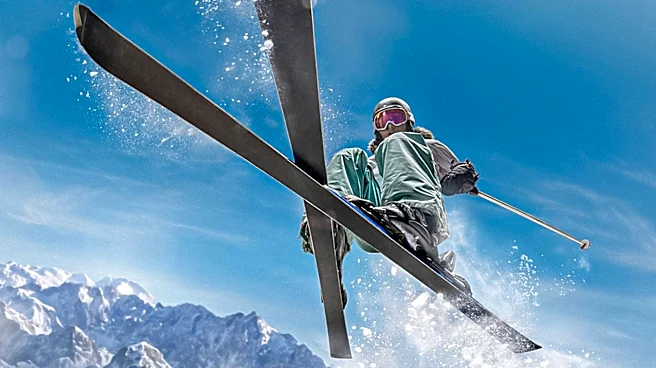
The effectiveness of high-volume, low-intensity training for improving performance in endurance sports, particularly skiing, is a subject of ongoing debate. While substantial volumes of low-intensity training are a consistent element in successful endurance programs,
evidence that increasing an already high volume proportionally improves performance is less conclusive. Some elite athletes are training over 1,000 hours per year, often transitioning from moderate to very high volumes, potentially bypassing other physiological developments. The key questions revolve around whether increasing low-intensity training volume beyond an athlete's current regimen provides additional benefits in aerobic capacity, performance, and recovery, especially compared to a smaller volume combined with higher-intensity training.
Why It's Important?
This discussion is important for U.S. athletes, coaches, and sports organizations involved in endurance sports, particularly skiing. Misguided training strategies can lead to overtraining, injury, and suboptimal performance, impacting an athlete's career and the country's competitive standing in international events. The debate highlights the need for individualized training programs that consider an athlete's strengths, weaknesses, and current fitness level. Relying solely on high-volume training without sufficient high-intensity work might not be beneficial, especially for athletes who haven't yet developed a high VO2max. This could influence funding decisions for athletic programs and the development of future training methodologies across various U.S. sports.
What's Next?
Further research and practical application will likely focus on optimizing the balance between training volume and intensity for individual athletes. Coaches and sports scientists will continue to analyze the physiological adaptations triggered by different training approaches, aiming to identify the most effective strategies for performance enhancement and injury prevention. There may be a shift towards more personalized training plans that integrate both high-volume, low-intensity work and targeted high-intensity sessions based on an athlete's specific needs and development stage. This ongoing evaluation will shape future training protocols for U.S. endurance athletes, potentially leading to more efficient and effective preparation for competitions.
Beyond the Headlines
The debate over training volume versus intensity in skiing extends beyond mere athletic performance, touching upon the ethical considerations of athlete welfare. Pushing athletes to extreme training volumes without clear evidence of proportional benefits raises questions about the long-term health and sustainability of their careers. There's a cultural aspect too, where the 'more is better' mentality can sometimes overshadow scientific evidence and individual physiological limits. This discussion encourages a more nuanced understanding of athletic development, emphasizing the importance of a holistic approach that considers physical, mental, and emotional well-being. It also highlights the critical role of sports science in guiding training practices to ensure both competitive success and athlete longevity.