

What's Happening?
A simple Pilates exercise, the single-leg stretch, is being highlighted as an effective method for actively stretching hip flexors and engaging the deep core muscles. This exercise is particularly beneficial for individuals experiencing tight hip flexors,
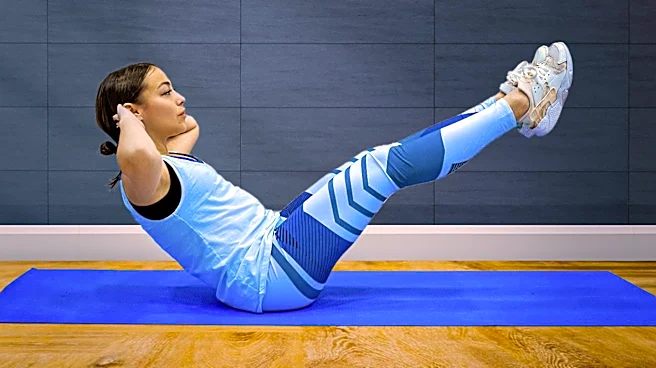
reduced hip mobility, and lower back pain, conditions often exacerbated by prolonged sitting or intense activities like running. The exercise involves lying on the back, lifting the head, neck, and shoulders, and engaging the core while alternately pulling one knee to the chest and extending the other leg at a 45-degree angle. This dynamic movement helps to extend the hip flexor through its full range of motion, counteracting the shortened state often found in tight muscles. Simultaneously, it requires the deep transverse abdominis and rectus abdominis to fire, keeping the spine flat and the pelvis stable, thereby strengthening the core.
Why It's Important?
The Pilates single-leg stretch offers a practical and accessible solution to a common musculoskeletal issue that affects a significant portion of the population, particularly those with sedentary jobs or active lifestyles. Tight hip flexors can lead to discomfort, limit physical performance, and contribute to chronic lower back pain, impacting daily life and overall well-being. By providing a method to actively stretch these muscles while simultaneously strengthening the core, the exercise addresses multiple interconnected physical challenges. This integrated approach promotes not just flexibility but also stability, which is crucial for preventing injuries and improving functional movement patterns, such as gait efficiency in walking and running. Its simplicity and requirement for only body weight make it an easily adoptable exercise for many, contributing to better physical health without needing specialized equipment.
What's Next?
Individuals seeking to improve hip mobility, alleviate lower back pain, and strengthen their core can incorporate the Pilates single-leg stretch into their regular fitness routines. The exercise requires no special equipment beyond a comfortable mat and can be performed at home. It is advised to maintain core engagement throughout the movement, ensuring the lower back remains pressed into the mat, and to focus on extending the leg as much as possible. While beneficial for many, individuals who are complete beginners, pregnant, postpartum, or recovering from an injury should consult a medical professional before attempting new exercises. The continued emphasis on holistic fitness approaches like Pilates suggests a growing trend towards exercises that combine flexibility, strength, and stability for comprehensive physical well-being.
Beyond the Headlines
The popularity of exercises like the Pilates single-leg stretch underscores a broader shift in fitness towards functional movement and preventative care. Rather than solely focusing on muscle isolation, there's a growing recognition of the body's interconnectedness, where core strength directly impacts hip mobility and spinal health. This exercise exemplifies how mindful movement can address the physical tolls of modern life, such as prolonged sitting, which contributes to a range of postural and muscular imbalances. The accessibility of such exercises, requiring minimal equipment, democratizes fitness, making effective solutions available to a wider audience. This trend reflects a deeper understanding of biomechanics and a move towards sustainable practices that support long-term physical health and reduce reliance on reactive treatments for pain and injury.