







What's Happening?
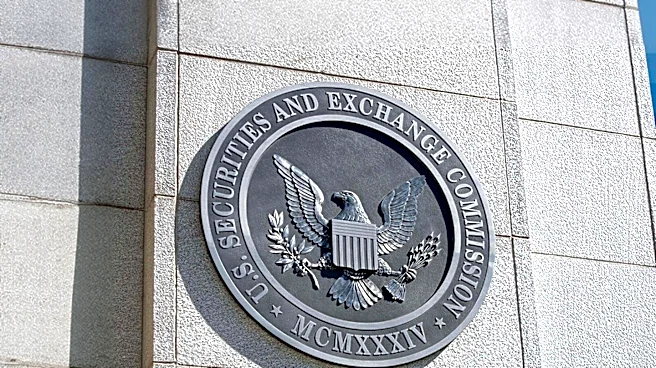
On September 30, 2026, the U.S. Securities and Exchange Commission (SEC) introduced two new rule proposals aimed at increasing retail investors' access to private markets and alternative investments. The first proposal, titled 'Investment Adviser Performance-Based
Compensation Modernization,' seeks to broaden the conditions under which SEC-registered investment advisers (RIAs) can charge performance fees to clients. This would eliminate the current requirement for RIAs to 'look-through' registered funds to verify that all investors meet 'qualified client' criteria before charging performance fees. The second proposal, detailed in a separate announcement, focuses on modernizing interval fund rules and expanding the ability of closed-end funds and business development companies (BDCs) to issue multiple classes of common shares. These changes are designed to allow more natural persons to invest in funds that pay performance fees by lowering the financial thresholds from 'qualified client' to 'accredited investor' standards for certain private funds and separately-managed accounts. Additionally, BDCs would be permitted to base performance fees on certain unrealized returns.
Why It's Important?
These proposed rule changes could significantly reshape the landscape for retail investors by opening up previously less accessible private capital markets and alternative investments. By lowering the financial barriers for natural persons to invest in funds that charge performance fees, the SEC aims to democratize access to investment opportunities that have historically been reserved for wealthier individuals or institutional investors. This could lead to a broader diversification of investment portfolios for retail investors, potentially offering higher returns, albeit with increased risks associated with less liquid and more complex private assets. For RIAs and fund sponsors, the proposals offer greater flexibility in fee structures and could help align incentives between advisers and various fund types, potentially reducing conflicts of interest where RIAs might favor private funds that currently allow performance fees over regulated funds that do not. However, the proposals also introduce new compliance requirements and increased responsibilities for regulated funds' boards of directors, particularly independent directors, who would need to make specific findings regarding the appropriateness and investor protection features of performance fee arrangements.
What's Next?
The comment period for the proposed rule closed on December 7, 2026. Following the review of public comments, the SEC will decide whether to adopt the rules, potentially with revisions. If adopted, investment advisers, sponsors, and funds will need to assess how to utilize the new framework and implement necessary measures to ensure compliance. This includes developing new policies and practices, particularly concerning valuation processes and disclosures for assets without readily available market prices. Regulated funds' boards of directors will face expanded responsibilities, requiring them to make detailed written findings on the appropriateness of performance fee arrangements, considering factors like investment strategy, valuation practices, and investor protection features. The SEC's broader initiative to increase retail investor access to private capital suggests that these proposals are part of a larger regulatory shift, and further related rulemakings may follow, impacting the asset management industry and investors alike.
Beyond the Headlines
The SEC's push to expand retail access to private markets carries deeper implications beyond immediate investment opportunities. It reflects a growing trend towards the 'retailization' of private capital, which could fundamentally alter the structure of investment markets. While offering potential benefits like broader access to growth-oriented investments, it also raises questions about investor protection, given the inherent complexities and illiquidity of private assets. The increased reliance on board oversight for performance fee arrangements highlights a shift towards greater governance responsibilities for fund directors, particularly in assessing risk mitigation strategies for performance-based compensation. This move could also spur innovation in product development within the asset management industry, as firms seek to create new vehicles tailored for retail investors in private markets. However, it also necessitates enhanced investor education and robust disclosure practices to ensure that retail investors fully understand the risks and rewards associated with these less traditional investment avenues.