



What's Happening?
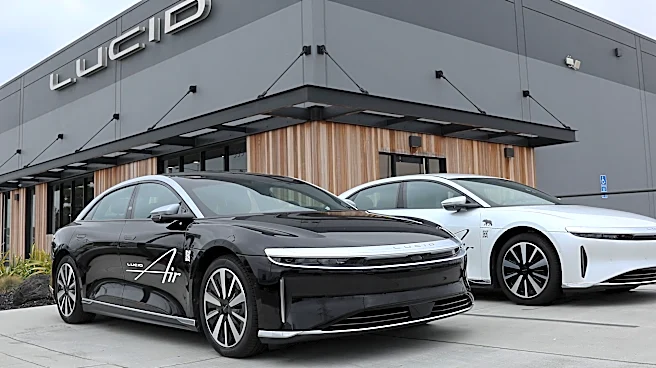
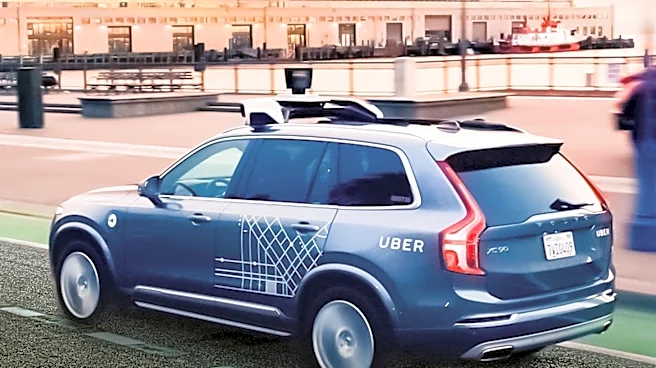
Uber, Nuro, and Lucid have commenced fully driverless public-road testing of Lucid Gravity robotaxis in four California cities: Palo Alto, Mountain View, Los Altos, and Sunnyvale. This new phase of testing, announced on November 24, 2026, removes the
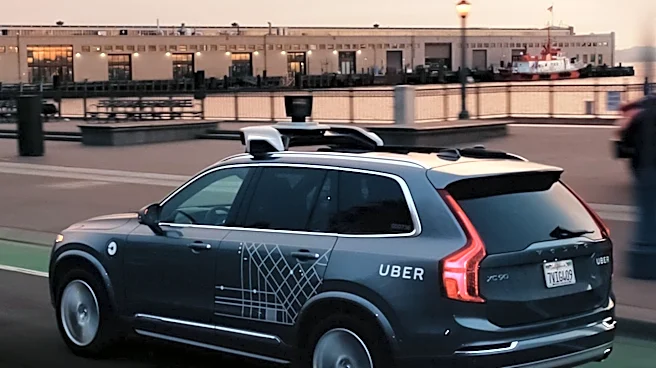
in-vehicle safety driver, a significant step towards autonomous operation. Nuro, which supplies its Level 4 autonomy platform 'Nuro Driver,' is leading the testing and validation efforts. Lucid provides the modified Lucid Gravity vehicles, with over 100 updated units already delivered for this phase. Uber integrates its ride-hailing network and is involved in designing the in-cabin experience. The partners aim for employee rides to be the next milestone, with a target for public service in the San Francisco Bay Area by Q1 2027. Supervised public-road testing in the San Francisco Bay Area and Houston began in December 2025. Nuro holds a California DMV Driverless Testing Permit, allowing operator-free road tests, but does not yet have a permit to charge fares for passenger rides.
Why It's Important?
This development marks a crucial advancement in the commercialization of autonomous ride-hailing and delivery services in the U.S. The removal of safety drivers in testing signifies increasing confidence in the technology's maturity and safety protocols. For Lucid, this partnership provides a concrete pathway into the autonomous ride-hailing market, with Uber committing to purchase at least 35,000 Lucid vehicles equipped with Nuro Driver for a global robotaxi rollout. This commitment could significantly boost Lucid's volume and software revenue potential, addressing concerns about its current unit economics and cash burn. For Uber, integrating autonomous vehicles could lead to reduced operational costs and increased efficiency in its ride-hailing and delivery services. The success of these tests and the subsequent public launch could set a precedent for broader adoption of driverless technology across the nation, impacting urban transportation, logistics, and the automotive industry.
What's Next?
The immediate next step involves commencing driverless employee rides. The partners are targeting a public service launch in the San Francisco Bay Area by Q1 2027, though this remains a target rather than a confirmed date. Before public passenger rides can begin, the partners need to refine operations, infrastructure, and the in-cabin experience. A critical hurdle for commercial operation is obtaining authorization to charge fares for driverless passenger rides, as Nuro currently only holds testing and pilot permits for rides with a safety operator. The progress towards the Q1 2027 public launch and updates on how many of the test vehicles transition into commercial fleets will be key indicators for investors and the public. The financial viability of the robotaxi fleet will depend on achieving sufficient paid miles to cover costs and attracting outside capital to manage resale risk.
Beyond the Headlines
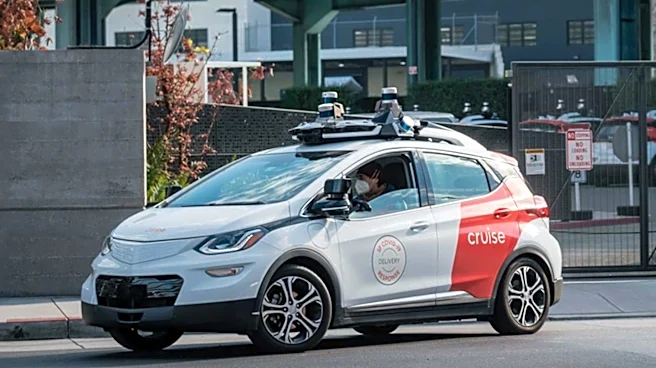
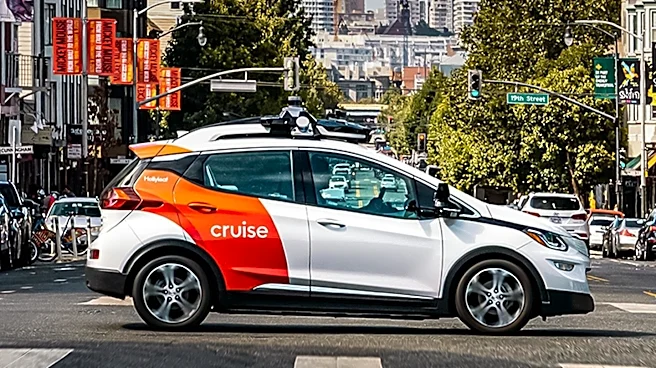
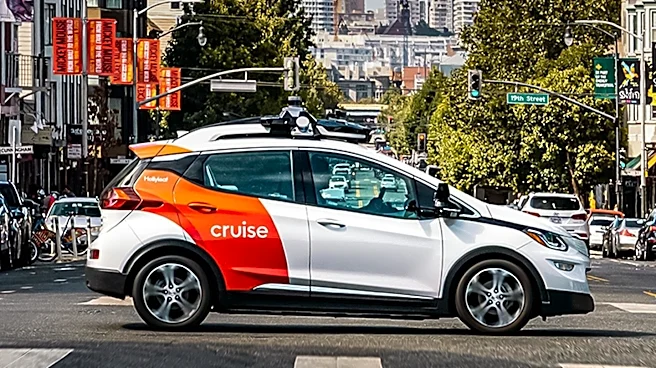
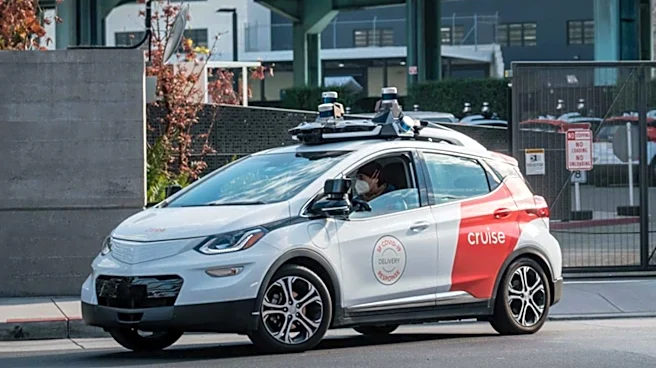
The transition to fully driverless testing raises deeper implications regarding regulatory frameworks, public perception, and the future of work. The suspension of Cruise's deployment and driverless-testing permits in California in 2023, citing safety and misrepresentation of safety information, highlights the stringent regulatory environment and the high stakes involved in autonomous vehicle deployment. This incident underscores the importance of transparent safety reporting and robust testing for Nuro, Uber, and Lucid. The success of this venture could accelerate the shift towards a driverless economy, potentially displacing human drivers in ride-hailing and delivery sectors, while creating new jobs in AI development, fleet management, and maintenance. Ethical considerations around autonomous decision-making in complex traffic scenarios and data privacy will also become increasingly prominent as these services expand.