





What's Happening?
Airbnb hosts are being guided on effective property staging techniques to improve the clarity and attractiveness of their listings. The primary goal of staging is to help potential guests understand the comfort, capacity, layout, and amenities of a property before
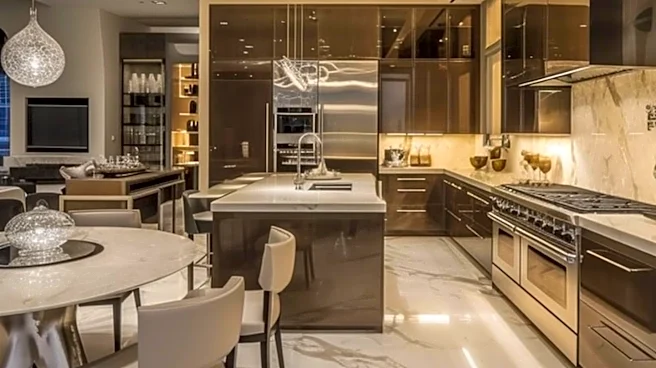
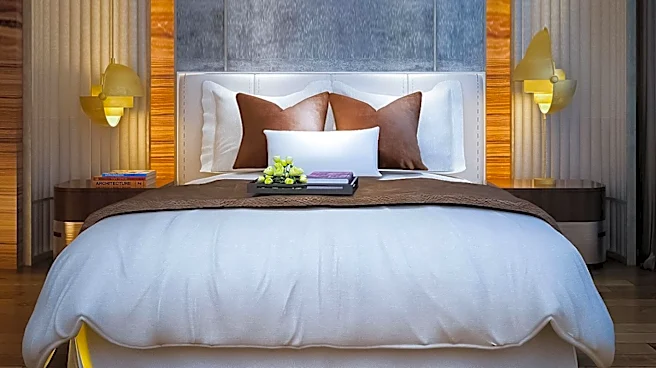
booking. Key aspects of successful staging include optimizing circulation, ensuring appropriate furniture scale, maximizing natural light, maintaining cleanliness, and catering to the needs of the target guest. The process involves removing visual clutter, selecting furniture that fits the room's dimensions and guest experience, and using consistent lighting, texture, and color to create a cohesive visual story. The Bee Setups blog emphasizes that the most impactful transformations make a property easier to understand and more trustworthy at a glance, rather than simply making it look expensive. Professional staging can enhance the quality and consistency of a listing's first impression, though its impact on revenue depends on various factors such as the property, market, season, price, reviews, and availability. The advice also covers specific areas like living rooms, bedrooms, kitchens, dining areas, and bathrooms, detailing how small improvements in these service spaces can significantly influence a listing's appeal.
Why It's Important?
Effective staging is crucial for Airbnb hosts as it directly influences guest perception and booking decisions. In a competitive market, a well-staged property can stand out, leading to increased views, saves, and bookings. By clearly communicating the property's features and comfort, hosts can set appropriate guest expectations, potentially reducing negative reviews related to discrepancies between listing photos and the actual experience. This approach helps hosts optimize their average daily rate (ADR) and occupancy rates, contributing to the financial success of their short-term rental business. Moreover, focusing on durable furnishings and practical execution ensures that the visual appeal is maintained over time, reducing operational burdens and replacement costs. The emphasis on operational consistency alongside aesthetic improvements highlights a sustainable business model for hosts, ensuring long-term profitability and guest satisfaction. For the U.S. short-term rental market, where competition is high, these strategies are vital for hosts to maintain a competitive edge and maximize their investment.
What's Next?
Hosts are encouraged to audit their properties before purchasing furnishings, measuring rooms and documenting existing conditions to avoid logistical issues. Building a design plan tailored to the target guest's needs is recommended, outlining desired feelings, essential functions, color schemes, furniture dimensions, materials, and budget. The coordination of delivery, installation, and professional photography is a critical next step, ensuring the property is fully operational and visually appealing before listing. Seasonal updates, involving rotating high-impact details and adjusting lighting, are suggested to keep listings competitive. For larger projects, remote owners, or those with tight launch dates, professional furnishing services are presented as a viable option to streamline the process and ensure consistent quality. Hosts should continuously measure the impact of staging on views, saves, and bookings, using this data to refine their strategies and ensure that improvements translate into tangible business results.
Beyond the Headlines
The practice of staging Airbnb properties extends beyond mere aesthetics, touching upon the psychological aspects of consumer trust and expectation management. By presenting a property clearly and honestly, hosts build a foundation of trust with potential guests, which is paramount in the sharing economy. The emphasis on practical considerations, such as durable furnishings and ease of cleaning, underscores a shift towards sustainable and operationally efficient hosting. This approach not only benefits individual hosts by improving their business performance but also contributes to a higher standard of quality across the Airbnb platform, potentially enhancing its overall reputation. The detailed guidance on staging reflects a growing professionalization within the short-term rental industry, where hosts are increasingly adopting business-like strategies to optimize their offerings and ensure long-term success. This trend highlights the evolving nature of hospitality, blending personal touches with professional presentation to meet the demands of modern travelers.