


What's Happening?
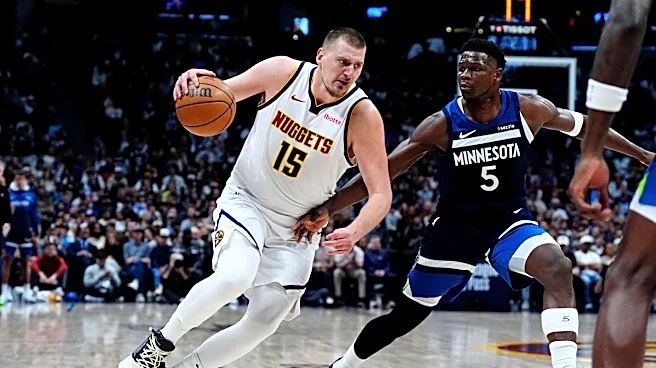
The National Basketball Association (NBA) has announced that it will significantly increase its focus on enforcing flopping rules this season. Flopping, defined as players exaggerating contact to draw fouls, will be met with stricter penalties. The existing
in-game rule dictates that a called flop results in a technical foul against the offending player and awards one free throw to the opposing team. Beyond in-game penalties, the league will continue to review plays after games. This post-game review process can lead to fines, which begin at $2,000 for initial offenses and escalate for repeat offenders. This renewed emphasis aims to deter players from simulating contact and to maintain the integrity of the game by ensuring fair play and accurate foul calls. The league's decision underscores a commitment to addressing a long-standing issue that has often drawn criticism from fans and analysts alike.
Why It's Important?
This intensified enforcement of flopping rules by the NBA carries significant implications for the league, its players, and the overall fan experience. For players, it means a direct impact on their performance and financial standing, as technical fouls can lead to ejections and fines can accumulate. Teams will need to adapt their strategies, potentially discouraging players known for flopping from engaging in such tactics, which could alter game dynamics. The integrity of the game is a central concern; by cracking down on flopping, the NBA aims to reduce misleading foul calls, thereby ensuring that games are decided more on genuine skill and less on deceptive play. This move could enhance the viewing experience for fans, who often express frustration over perceived flopping, leading to a more authentic and enjoyable product. Ultimately, this policy shift reflects the NBA's ongoing effort to refine its rules and maintain its reputation as a premier sports league.
What's Next?
Following the NBA's announcement, players and teams will need to adjust their on-court behavior and strategies. Referees are expected to be more vigilant in identifying and penalizing flopping during games, leading to an immediate increase in technical fouls for such infractions. Post-game reviews will likely result in a higher number of fines issued to players, particularly those with a history of flopping. This could prompt players to modify their defensive and offensive movements to avoid being flagged for exaggerating contact. Coaches will likely emphasize clean play and educate their players on the updated enforcement guidelines to minimize penalties. The league will monitor the effectiveness of these stricter measures, potentially adjusting the rules or enforcement intensity based on initial outcomes and feedback from players, coaches, and officials. The long-term goal is to cultivate a playing environment where genuine contact is distinguished from simulated actions, fostering a more equitable and respected game.
Beyond the Headlines
The NBA's renewed focus on flopping extends beyond mere rule enforcement; it touches upon the broader ethical considerations within professional sports. The practice of flopping raises questions about sportsmanship, honesty, and the spirit of competition. By actively penalizing such behavior, the league is sending a clear message that deceptive tactics are not condoned, aiming to uphold a higher standard of integrity. This initiative could influence how younger athletes are coached and how they perceive fair play, potentially shaping future generations of basketball players. Furthermore, the public perception of the NBA could improve as fans witness a more authentic and less theatrical game. This move also highlights the ongoing challenge for sports leagues to balance entertainment value with competitive fairness, constantly adapting rules to address evolving player behaviors and maintain the sport's credibility. The success of this initiative could set a precedent for other sports grappling with similar issues of player deception.