





What's Happening?
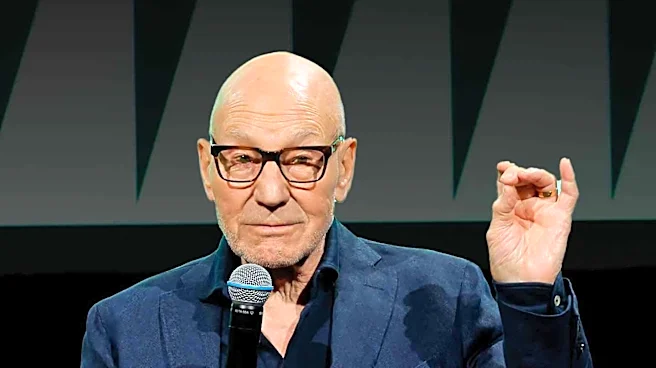
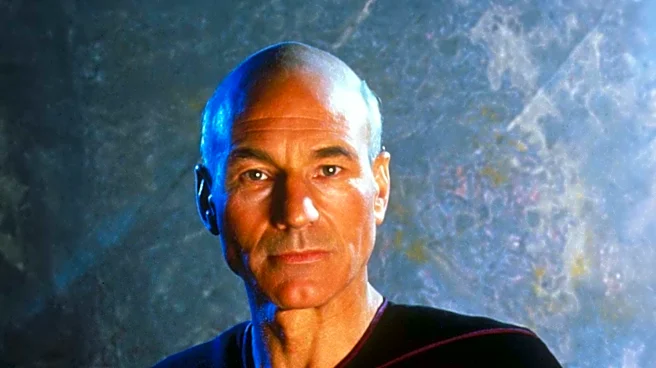
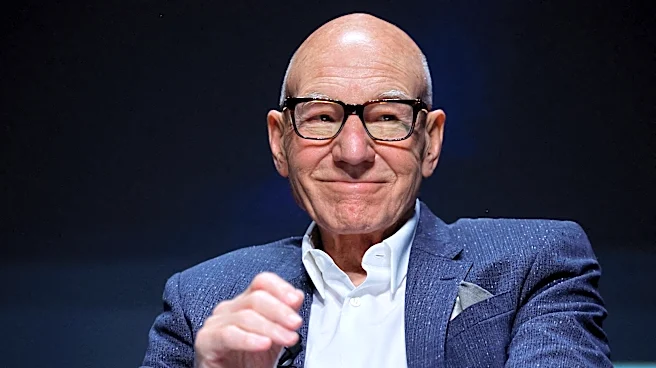
'Saturday Night Live' (SNL) paid an emotional tribute to Patrick Stewart following his death at the age of 86. The comedy show aired a throwback video from 1994, featuring Stewart enthusiastically introducing musical guests Salt-N-Pepa during his time
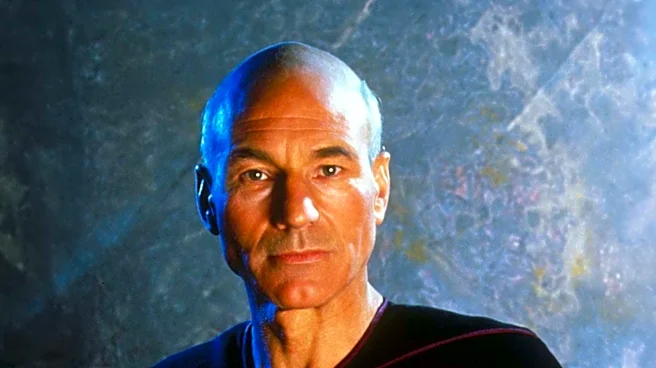
as host. A promotional photo from his 1994 hosting gig was also displayed. Stewart passed away at his Los Angeles home after a battle with Alzheimer's Disease and Lewy body dementia. His representative stated that he was surrounded by family and friends, and Marvel Studios also mourned his passing, highlighting his role as Professor Charles Xavier in the 'X-Men' franchise.
Why It's Important?
The tribute from 'SNL' underscores Patrick Stewart's significant impact on the entertainment industry and his connection to the show's history. 'SNL' often uses such moments to honor figures who have contributed to its legacy and to broader pop culture, reinforcing its role as a cultural institution. The outpouring of grief from Marvel Studios and fellow actors like Hugh Jackman and Famke Janssen further illustrates Stewart's widespread influence across different genres and his beloved status among fans and colleagues. His passing marks the end of an era for many, particularly those who grew up with his iconic roles.
What's Next?
While the immediate impact is a period of mourning and reflection on Stewart's career, his final film, 'Doomsday,' is scheduled for release in December. This will provide fans with one last opportunity to see his work. The tributes from various entertainment entities are likely to continue, solidifying his legacy in film and television. His contributions to both dramatic and comedic roles, as highlighted by 'SNL's' tribute, will continue to be celebrated and studied by future generations of actors and filmmakers.
Beyond the Headlines
Patrick Stewart's career, spanning decades and encompassing diverse roles from Shakespearean theater to science fiction and superhero franchises, exemplifies the versatility and enduring power of acting. His refusal to 'officially retire,' as he stated in a final interview, speaks to a profound dedication to his craft. The nature of his passing, after battling Alzheimer's and Lewy body dementia, also brings attention to these challenging diseases and their impact on individuals and families. His life and work serve as an inspiration, demonstrating that passion for one's art can transcend age and health challenges, leaving an indelible mark on the cultural landscape.